
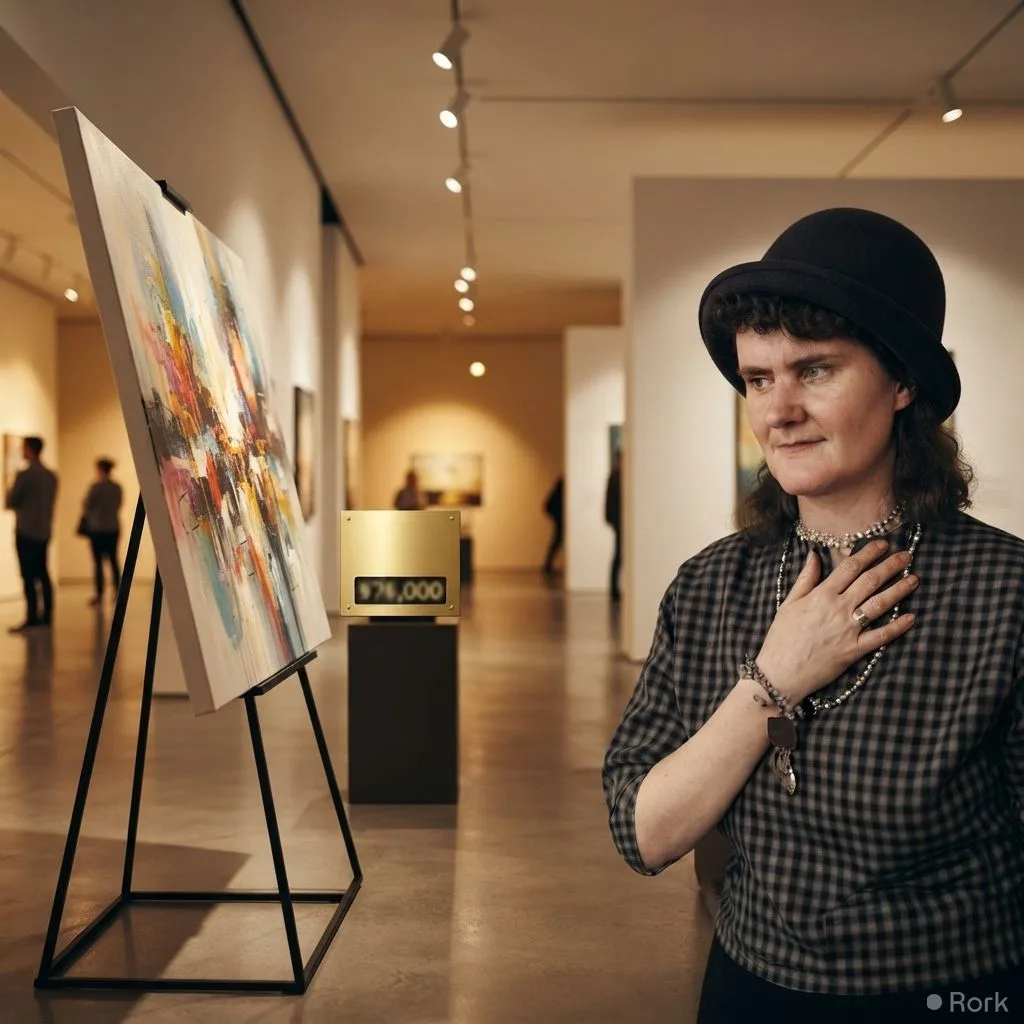
A modest painting bought for roughly $30 (about Rs 8,500) at a U.S. estate sale has been resold three months later for $1.35 million – roughly Rs 37.3 crore. The work, later authenticated as a missing piece by Chicago modernist Gertrude Abercromb, turned a casual purchase into a multimillion‑dollar windfall almost overnight.
Background
The buyer, an art‑enthusiast from the United States, attended an estate liquidation in a suburban neighborhood. Such sales often feature a mix of household items, furniture and occasionally overlooked artworks that can be purchased for a few dollars. He spotted a small oil on canvas, paid the modest $30 asking price, and took it home without a clear sense of its provenance.
Within weeks, he posted high‑resolution images of the painting on an online collector forum, where a specialist in early‑20th‑century American art recognized stylistic hallmarks of Gertrude Abercromb – a Chicago‑born painter whose works have fetched six‑figure sums at auction. A provenance researcher traced the piece to a private collection that had listed it as “missing” after a fire in the 1970s, confirming its authenticity.
Armed with expert certificates, the buyer listed the painting with a reputable auction house. When it went under the hammer, competitive bidding drove the final price to $1.35 million, translating into a staggering Rs 37.3 crore profit in just three months. The rapid turnaround highlights how a single, well‑documented clue can unlock massive value in the secondary art market.
What it means for Pakistan
For Pakistani collectors and investors, the story underscores the untapped potential in regional estate sales, garage finds and online marketplaces. While the local art market is still developing, there is growing interest among diaspora communities and wealthy patrons in acquiring works by South Asian artists whose global recognition is rising. A disciplined approach to provenance research—mirroring the steps taken in this case—could help local buyers spot undervalued pieces before they attract broader attention.
However, the episode also serves as a cautionary tale. The odds of stumbling upon a “lost” masterpiece are slim, and most estate‑sale purchases remain modest décor items. Professionals advise prospective collectors in Pakistan to seek expert authentication, maintain meticulous documentation, and avoid speculative flips that lack solid evidence, lest they fall prey to forgeries or over‑hyped valuations.
What could happen next
The high‑profile sale is likely to spark renewed curiosity among auction houses and art‑dealers about overlooked works in North‑American estate inventories, potentially increasing the flow of similar discoveries to international markets. In Pakistan, major galleries and auction firms may expand their scouting teams abroad, looking for hidden gems that can be re‑introduced to South Asian collectors.
At the same time, the episode could inspire a new wave of provenance‑focused education among Pakistani art students and emerging curators. By building expertise in authentication and market dynamics, the country can better position itself to participate in high‑value transactions, ensuring that future windfalls are the result of informed strategy rather than sheer luck.