
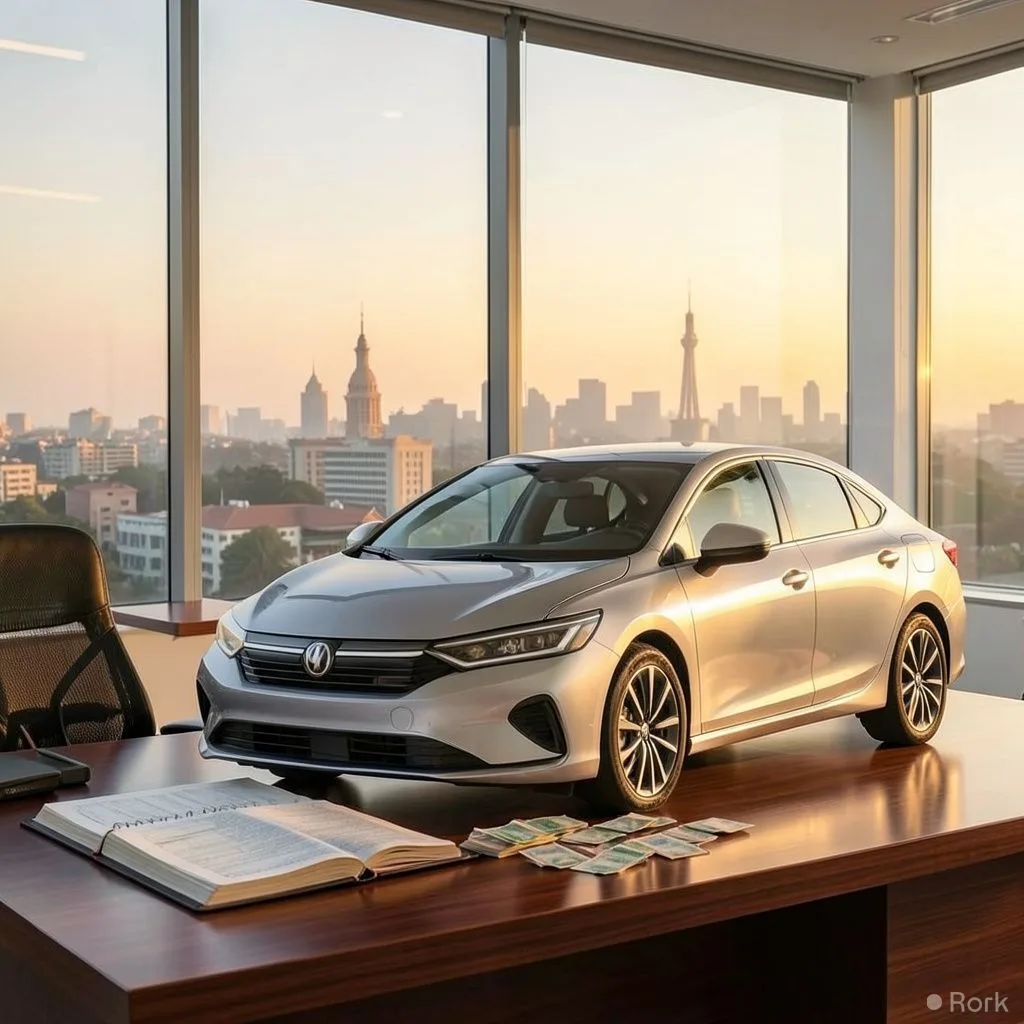
The Boardroom’s latest analysis, released on 6 October 2026, warns that the government’s proposal to slash taxes on plug‑in hybrid electric vehicles (PHEVs) could shave roughly Rs 230 billion off the federal budget over the next five years. The estimate is based on an anticipated sale of about 150,000 new‑energy vehicles in Pakistan during that period, and it suggests that the fiscal hit would be felt across a range of public‑sector programmes that rely on tax receipts.
According to the study, the proposed tax relief would involve reducing customs duties, sales tax and registration fees that currently make PHEVs significantly more expensive than conventional cars. Proponents argue that cheaper taxes will encourage consumers to switch to cleaner technology, helping the country cut its oil import bill and meet its climate‑change targets under the Paris Agreement. However, the Boardroom’s figures show that the revenue loss would represent a sizable portion of the projected fiscal surplus, potentially widening the deficit at a time when the government is already grappling with rising inflation and a heavy debt burden.
The projected Rs 230 billion shortfall would affect the Treasury’s ability to fund priority sectors such as health, education and infrastructure, including projects linked to the China‑Pakistan Economic Corridor. Analysts note that the revenue from vehicle taxes traditionally underpins the Motor Vehicles Tax Fund, which finances road maintenance and safety initiatives. A reduction in collections could therefore delay critical upgrades to the nation’s aging transport network.
Automobile manufacturers and industry bodies have welcomed the tax cut, saying it would make Pakistan’s market more attractive for foreign investors and stimulate domestic production of hybrid models. Environmental NGOs, meanwhile, argue that the fiscal sacrifice is justified if it accelerates the transition to low‑emission transport and improves urban air quality, especially in megacities like Karachi and Lahore where pollution levels regularly exceed safe limits.
Fiscal conservatives caution that the government must balance environmental ambitions with fiscal prudence. They suggest alternative incentives—such as targeted subsidies for low‑income buyers, low‑interest financing, or tax credits tied to the vehicle’s emissions performance—could spur adoption without eroding the tax base as sharply. The Ministry of Finance is expected to review the Boardroom’s findings before finalising any legislative changes.
If the tax reduction proceeds, policymakers will need to monitor actual vehicle registrations closely to ensure that the projected sales volume materialises. A shortfall in sales would deepen the revenue gap, while higher-than‑expected uptake could partially offset the loss through increased fuel‑efficiency savings and reduced oil import costs. The coming weeks are likely to see intense debate in parliament and among stakeholders as Pakistan weighs the trade‑off between greener mobility and the fiscal resources required to sustain public services.