
Key points:
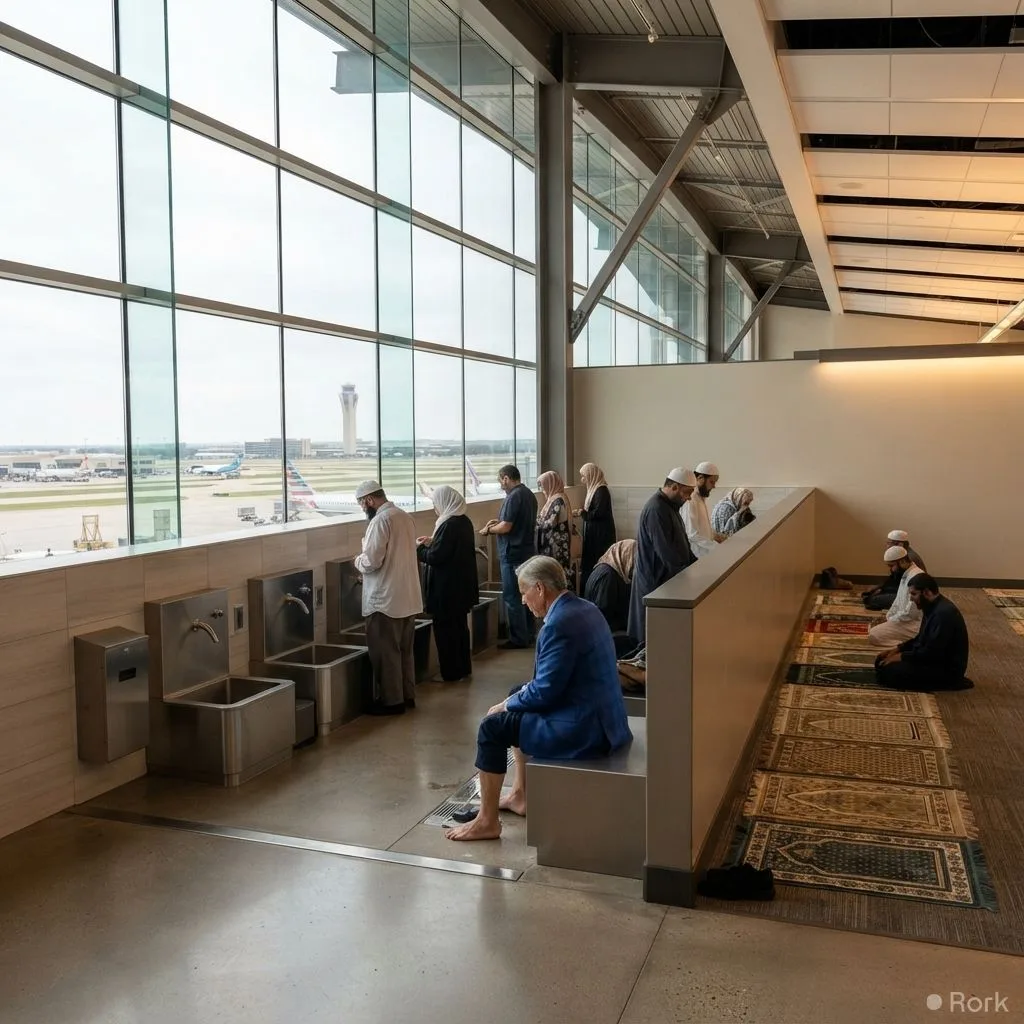
- Texas Governor Greg Abbott has asked the U.S. Department of Justice to audit Muslim prayer and ablution areas at Dallas‑Fort Worth International Airport and George Bush Intercontinental Airport in Houston.
- Abbott says the probe is needed to verify that the facilities comply with state and federal statutes and that public funds are not being used for religious purposes.
- Civil‑rights groups warn the action could undermine religious freedom and single out Muslim travelers.
- The move may affect the sizable Pakistani diaspora that relies on these hubs for business, family visits and cargo shipments.
Governor Greg Abbott sent a formal request to the Justice Department on Friday, urging officials to review the designated prayer rooms and washing stations that were installed to accommodate Muslim passengers at the two busiest airports in Texas. He argued that any religious‑related construction in a publicly funded facility must be examined to ensure it does not violate the Constitution’s Establishment Clause or state procurement rules.
Legal experts note that the issue touches a long‑standing tension between accommodating faith‑based needs in public spaces and maintaining a strict separation of church and state. Similar disputes have arisen in other states over chapels, prayer rooms, or signage in schools and government buildings. Advocacy groups such as the American Civil Liberties Union and the Council on American‑Islamic Relations have already issued statements condemning the governor’s request as an unnecessary intrusion that could set a precedent for targeting a specific faith.
For Pakistan, the decision carries practical implications. Dallas‑Fort Worth and Houston are primary gateways for Pakistani expatriates, business travelers, and cargo linked to Pakistan’s textile and agricultural exports. A prolonged DOJ review could disrupt the smooth operation of prayer facilities that many Pakistani passengers rely on during long layovers, potentially prompting airlines like Pakistan International Airlines and cargo firms to adjust scheduling or seek alternative accommodations. The Pakistani High Commission in Washington has indicated it will monitor the situation closely and may engage with U.S. authorities to ensure that the rights of Pakistani nationals are respected.
The Justice Department has not set a timeline for the investigation, but officials say a preliminary assessment could be delivered within the next few weeks. Depending on the findings, the airports might be required to modify, relocate, or remove the facilities, a decision that would reverberate through the broader conversation on religious accommodation in public infrastructure across the United States.