
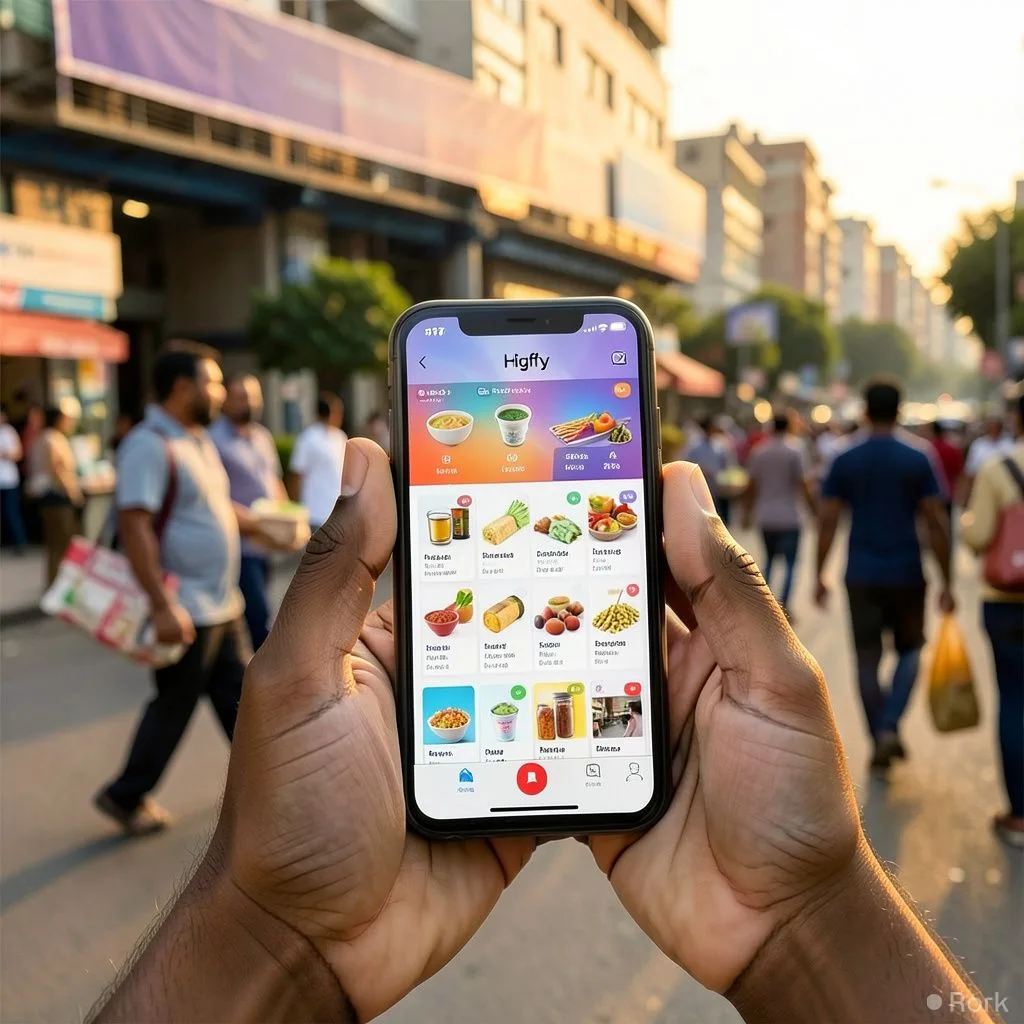
In just seven days, Highfy’s freshly launched app has crossed the 22,000‑download mark, with more than half of those users already completing their first purchase.
Highfy entered the Pakistani app market only two weeks ago, yet it has quickly vaulted into the top two slots of the nation’s digital storefront. The rapid climb is underpinned by a conversion rate that exceeds 50 %, a metric that typically takes months for new platforms to achieve. Such early traction points to strong consumer curiosity and a willingness to experiment with new shopping channels in a market that has traditionally relied on cash‑on‑delivery and physical storefronts.
Founder Hanzala Raja attributes the momentum to a five‑year dialogue with customers who constantly voiced how they preferred to shop. “We have been hearing the same requests over and over—people want a seamless, app‑based experience that mirrors their offline habits,” he explained. Highfy’s team says the new app translates that feedback into a streamlined interface, fast checkout, and localized product listings, aiming to bridge the gap between conventional retail practices and modern e‑commerce expectations.
The surge arrives at a pivotal moment for Pakistan’s digital economy, where mobile internet penetration now exceeds 80 % and online retail sales are projected to grow at double‑digit rates annually. By securing a prime position in the app marketplace, Highfy not only gains visibility among millions of smartphone users but also challenges established players such as Daraz and Foodpanda to innovate further. Retailers partnering with Highfy can tap into a rapidly expanding user base, potentially reshaping supply‑chain dynamics and accelerating the shift toward cash‑less transactions across the country.
Analysts see the early data as a bellwether for broader adoption. If the current download‑to‑order conversion sustains, Highfy could become a key catalyst in the ongoing digital transformation of Pakistan’s retail sector, offering both consumers and merchants a more efficient, home‑grown alternative to the dominant foreign platforms.