
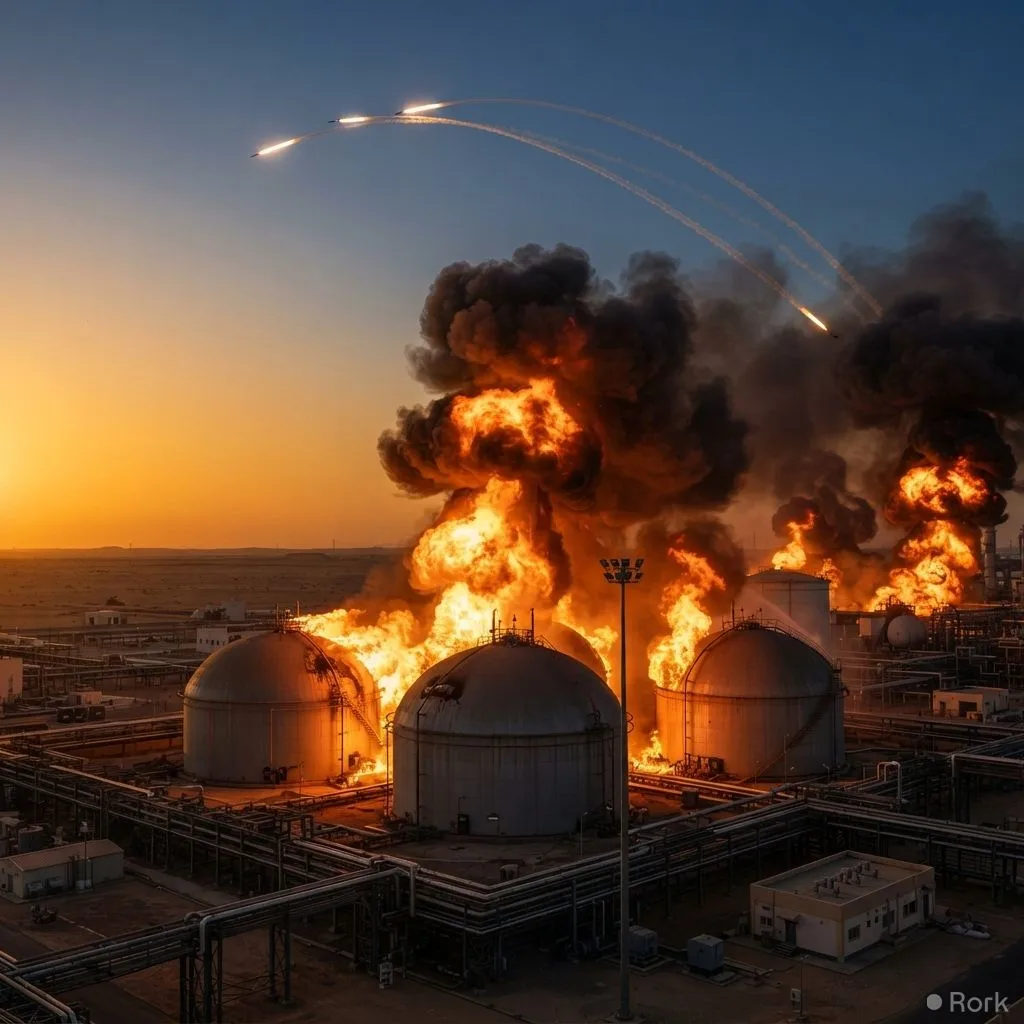
The Houthi movement said it launched a coordinated missile barrage against an oil‑processing complex on the outskirts of Riyadh, while Saudi warplanes pounded Yemen’s capital, Sanaa, in a retaliatory wave of air strikes. The exchange marks the first time the Yemeni insurgents have struck a major Saudi energy installation directly, escalating the conflict beyond the Red Sea corridor.
Background
The conflict between the Saudi‑backed Yemeni government and the Iran‑aligned Houthi rebels has been raging for more than a decade, but recent months have seen the Houthis expanding their reach along the Red Sea coastline. After seizing key ports such as Hodeidah and Mokha, the rebels have been able to threaten commercial shipping lanes that carry a sizable share of the world’s oil cargoes. Their growing control of the coast has prompted Riyadh to intensify air campaigns aimed at curbing the insurgents’ maritime capabilities.
On 2 October, Saudi Arabia stepped up its aerial offensive, targeting Sanaa with a series of strikes that the Houthi‑affiliated Al‑Masirah news agency counted at 26 separate hits. The Saudi raids were presented as a response to Houthi advances on the Red Sea coast, but they also signalled Riyadh’s willingness to take the fight into the Yemeni capital itself.
The next day, the Houthis announced that they had fired a salvo of missiles toward a large oil‑processing facility located roughly 70 km north of Riyadh. According to the group, the attack hit several storage tanks and damaged adjacent pipelines, although Saudi authorities have not yet confirmed the extent of the damage. The strike represents a direct challenge to Saudi Arabia’s energy infrastructure, an asset that underpins the kingdom’s economy and global oil supply.
What it means
For Pakistan, the reverberations are immediate. Saudi crude makes up a noticeable portion of Pakistan’s imported oil basket, and any disruption at a processing hub near the capital could tighten supply and lift freight rates on tanker routes that pass through the Red Sea. Higher crude prices would translate into increased fuel costs for Pakistani consumers and transport operators, potentially adding pressure on inflation‑already‑sensitive segments of the economy.
The incident also raises the spectre of broader regional instability affecting the Gulf’s energy markets. A sustained escalation could trigger volatility on the global oil benchmark, prompting a rise in spot prices that would affect Pakistan’s balance of payments. Moreover, Pakistani expatriate workers in Saudi Arabia could face heightened security concerns, especially if the kingdom expands its domestic security measures around critical infrastructure.
What happens next
Analysts warn that the Houthis’ decision to target a Saudi oil complex could invite a more aggressive Saudi response, possibly involving a wider coalition of Gulf states. Saudi officials have hinted at the possibility of extending the scope of their air campaign beyond Yemen’s borders, which could further endanger shipping lanes that are vital for Pakistani trade.
International stakeholders, including the United States and European powers, are likely to pressure both sides to contain the conflict to avoid a spill‑over that would jeopardise global energy stability. Diplomatic channels may see renewed activity, with the United Nations and regional organisations urging a ceasefire and a return to negotiations. For Pakistan, staying attuned to these developments will be crucial for managing energy import strategies and safeguarding the interests of its citizens abroad.