
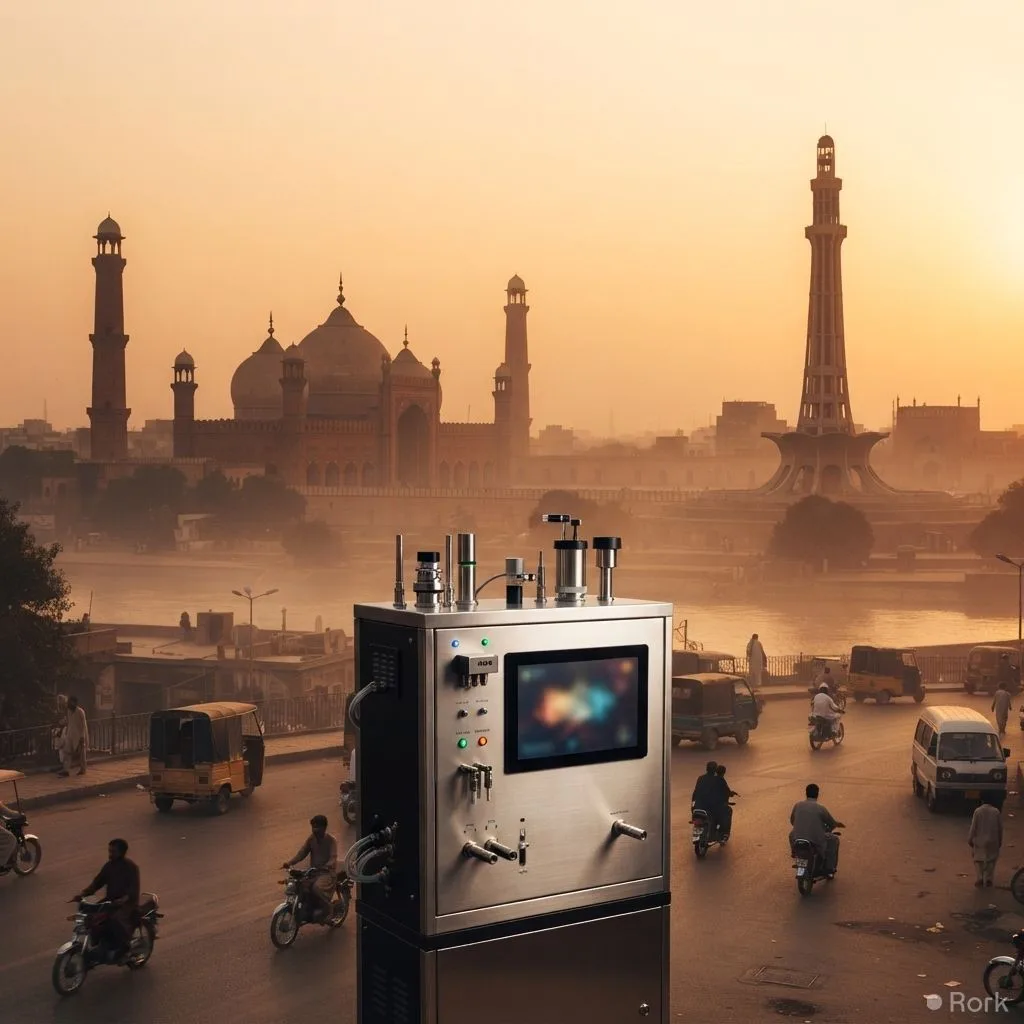
Lahore’s air‑quality reading slipped to an AQI of 89 on IQAir’s live dashboard, nudging the city to the 17th spot among the world’s most polluted metropolises and placing it in the “moderate” range – a level that now sits below Dubai’s current figures.
Background
For years Lahore has wrestled with hazardous smog, especially during winter months when temperature inversions trap particulate matter (PM₂.₅) close to the ground. Rapid urbanisation, a high number of old diesel‑run vehicles, and widespread use of crop‑burning residue have kept the city entrenched near the top of global pollution rankings.
In recent weeks, a combination of milder temperatures, a brief lull in agricultural burning, and the activation of a city‑wide “green belt” initiative – which involved increased tree‑planting and the temporary shutdown of several high‑emission factories – contributed to a measurable dip in airborne contaminants. IQAir’s real‑time platform captured this shift, showing Lahore’s AQI dip from the high‑90s into the low‑90s, while Dubai, traditionally enjoying better air, recorded a higher index due to a sand‑storm that temporarily raised particulate levels.
What it means
A moderate AQI of 89 means that most residents can go about their daily routines without immediate health warnings, though sensitive groups such as asthmatics, the elderly, and children should still limit prolonged exposure. For Lahore’s commuters, this translates into clearer skies on the roads and a short reprieve from the choking haze that has plagued schools, hospitals, and outdoor markets in recent seasons.
Economically, the brief improvement can boost productivity. Fewer respiratory complaints may reduce absenteeism in workplaces and schools, and the tourism sector – often deterred by poor air quality – could see a modest uptick as visitors feel more comfortable exploring Lahore’s historic sites. Moreover, the data provides a concrete benchmark for policymakers to argue for the continuation of emission‑reduction measures that have already shown tangible results.
What happens next
Authorities have pledged to treat this dip as a test case rather than a permanent fix. The Punjab Environmental Protection Agency plans to expand monitoring stations across the city, ensuring that any resurgence of pollutants is caught early. Simultaneously, the provincial government is preparing stricter enforcement of vehicle emission standards and a phased ban on open‑field burning of crop residues, both of which were cited as key contributors to past spikes.
Public awareness campaigns are also slated to roll out, encouraging residents to adopt greener commuting options and to support community‑led tree‑planting drives. If these initiatives sustain the current trajectory, Lahore could not only maintain its position below Dubai but potentially climb further down the global pollution ladder, offering a healthier environment for its 13‑million inhabitants.