
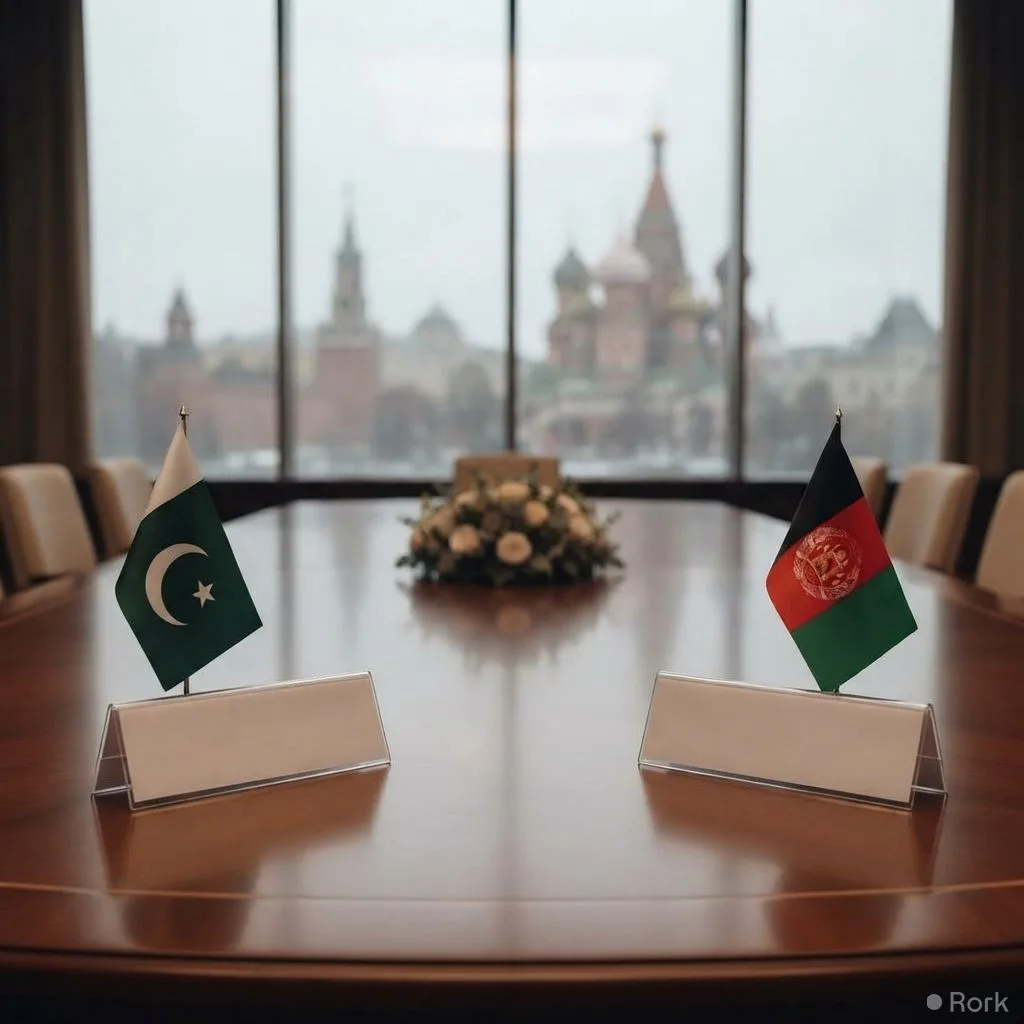
The eighth Moscow Format summit on Afghanistan ended without a joint communiqué after Pakistan and Afghanistan could not reconcile their positions.
The meeting, held in Moscow and attended by senior officials from the United States, Russia, China, Iran, Pakistan and Afghanistan, was meant to produce a unified statement on the political and security roadmap for Afghanistan. While the other participants agreed on a draft outlining steps for inclusive governance and counter‑terrorism cooperation, the Pakistani and Afghan delegations repeatedly clashed over language concerning border management, the treatment of Afghan refugees in Pakistan, and the role of the Taliban in any future political settlement. Their deadlock prevented the drafting of a single, consolidated declaration.
The Moscow Format, launched in 2023, serves as a multilateral forum for the great powers and regional actors to coordinate policy on Afghanistan. Pakistan, which hosts an estimated 1.5 million Afghan refugees and shares a porous 2,640‑kilometre frontier, views any Afghan political arrangement through the prism of its own security concerns, especially the risk of militant spill‑over and the impact on cross‑border trade. Conversely, Afghanistan’s delegation insisted on stronger assurances for the Taliban‑led government’s legitimacy and greater freedom of movement for its nationals, including those stranded in Pakistan. The impasse at the summit underscores how divergent national priorities can stall collective diplomatic initiatives.
Analysts warn that the lack of a consensus document could complicate ongoing bilateral talks between Islamabad and Kabul, already strained by recent incidents of cross‑border firing and accusations of harboring insurgents. For Pakistan, the stalled statement may delay coordinated efforts to repatriate refugees and could hinder the implementation of security measures along the Durand Line, potentially affecting border communities in Khyber Pakhtunkhwa and Balochistan. Meanwhile, Afghan authorities risk losing leverage in negotiations with the international community, as the Moscow Format has been one of the few platforms offering a multilateral endorsement of any Afghan peace process.
Observers suggest that future Moscow Format meetings will need to address these bilateral frictions more directly, perhaps by introducing confidence‑building measures or third‑party mediation to bridge the gap between Islamabad and Kabul. Until then, the deadlock serves as a reminder that regional stability in South‑Asia remains contingent on resolving deep‑seated disputes between the two neighbours.