
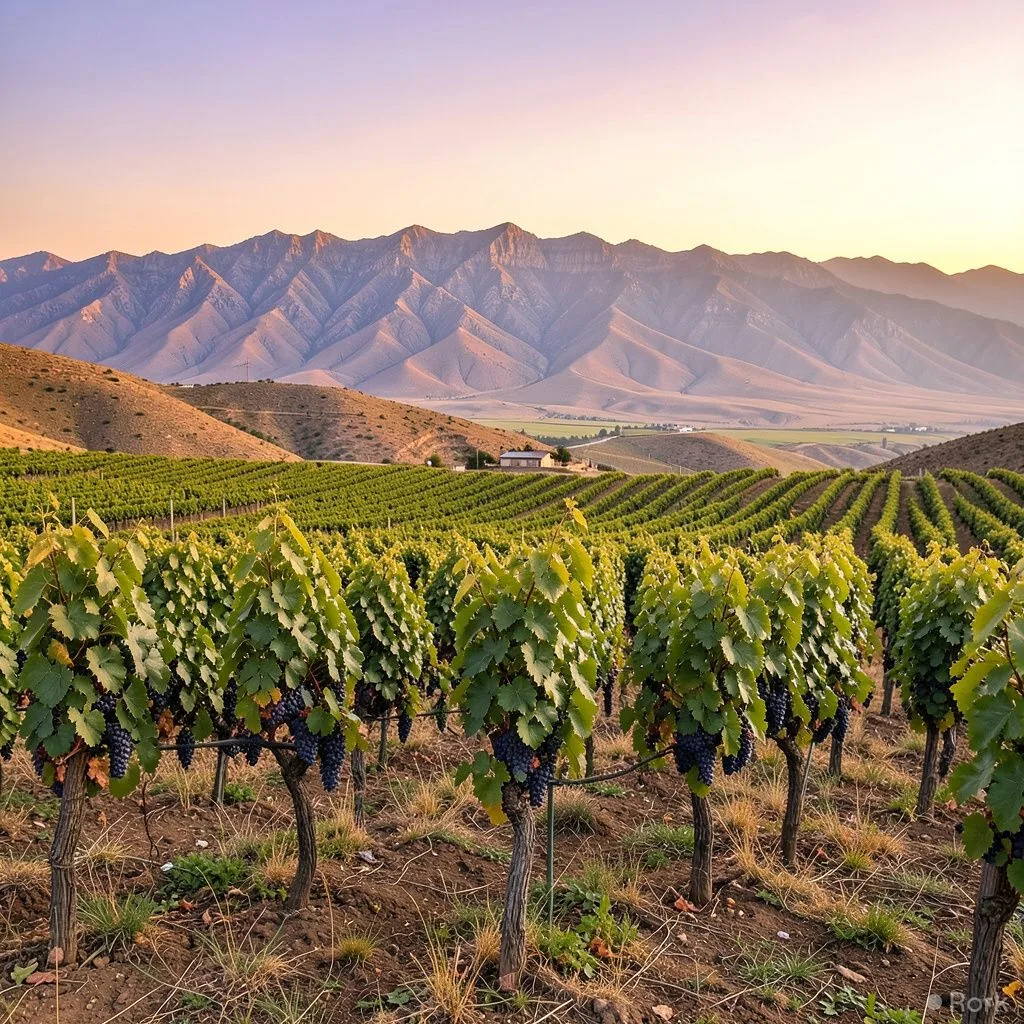
The scarred sand‑and‑gravel pit at the base of the Helan Mountains in China’s Ningxia Hui Autonomous Region has been converted into a flourishing vineyard estate after two decades of intensive land‑reclamation work, officials said on Thursday. The project, which began in 2006, has transformed the once‑barren expanse into a green, productive landscape that now yields high‑quality grapes for wine production.
The reclamation effort combined soil remediation, the introduction of drought‑resistant rootstocks and the construction of a drip‑irrigation network that taps melt‑water from the Helan range. Over the years, local authorities, research institutes and private investors coordinated planting cycles, applied organic fertilizers and monitored erosion control, gradually rebuilding a viable agricultural substrate where sand dunes and mining debris once dominated.
Today the vineyard covers several hundred hectares and employs dozens of local workers, reviving a community that previously relied on seasonal labor in the mining sector. The newly created wine‑making hub is also attracting tourists and wine‑enthusiasts, adding a modest but growing stream of revenue to the regional economy. For Pakistan, the success story offers a tangible example of how long‑term ecological investment can turn marginal, arid lands—such as those in Thar, Cholistan and parts of Balochistan—into productive farms, potentially easing food‑security pressures and creating jobs in rural areas.
The transformation underscores the broader relevance of sustainable land‑management practices in combating desertification, a challenge both China and Pakistan face. By integrating water‑saving technologies, native vegetation and community participation, the Ningxia model aligns with several United Nations Sustainable Development Goals, including responsible consumption and production, climate action and decent work.
As the vineyard reaches full operational capacity, Chinese officials plan to expand the initiative to neighboring plots and share the methodology with other arid regions through bilateral cooperation programmes. If similar approaches are adapted in Pakistan’s dry zones, the precedent set by Ningxia could help reshape the landscape of South‑Asian agriculture for the next generation.