
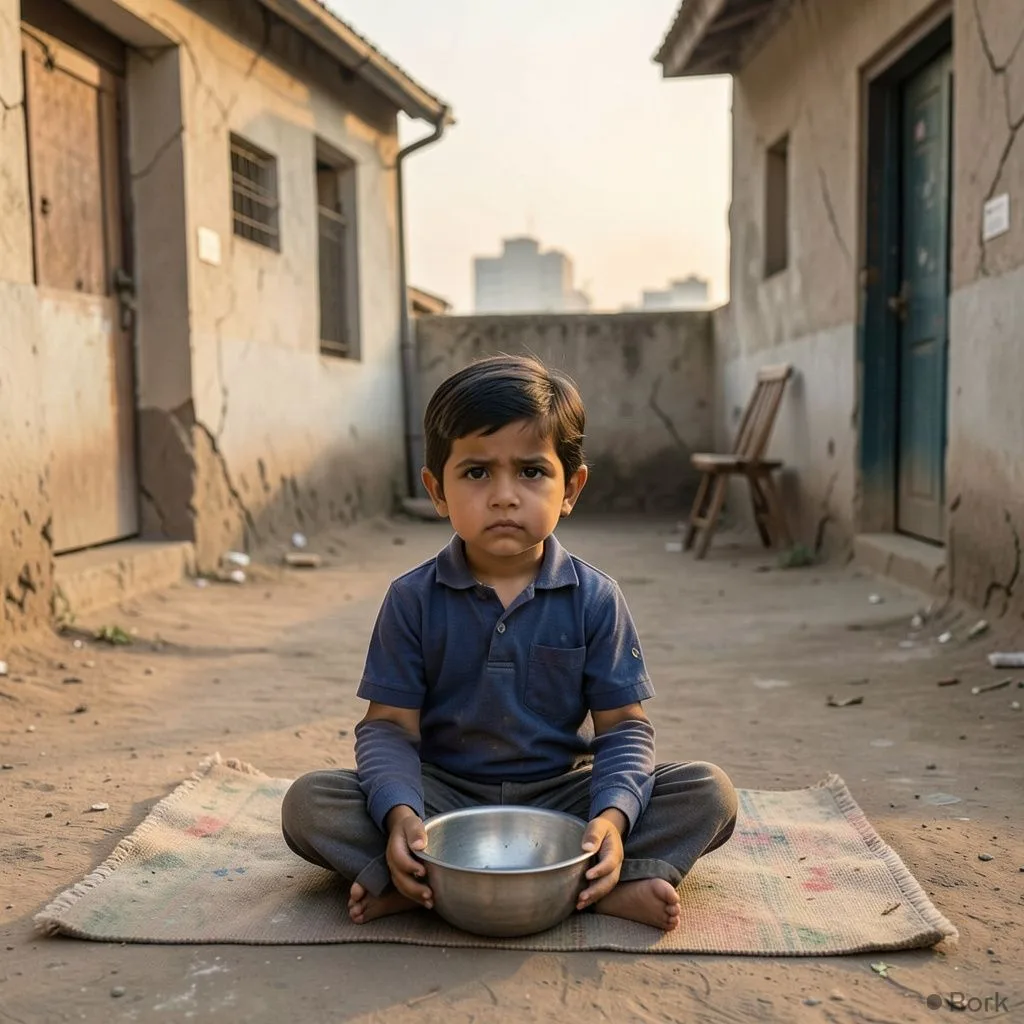
For years, Pakistan has struggled to balance rapid economic growth with the basic nutritional needs of its most vulnerable citizens. While urban centers have seen rising incomes, large swathes of the rural population continue to grapple with food insecurity, a reality that the latest Global Hunger Index (GHI) brings into sharp focus.
The 2026 GHI places Pakistan at 106th out of 122 countries, making it the second‑worst performer in South Asia. The index also reveals that 9.8 % of Pakistani children are classified as wasted, and 5.6 % die before reaching their fifth birthday – figures that underscore a deepening crisis in child nutrition.
These statistics translate into millions of families facing chronic hunger. Wasting, which signals acute under‑nutrition, is most prevalent in the provinces of Balochistan, Khyber Pakhtunkhwa and the tribal belt, where limited access to health services and clean water compounds the problem. The under‑five mortality rate, meanwhile, strains an already overburdened public health system, driving up hospital admissions and increasing the cost of emergency care for low‑income households.
Policy analysts point to the need for a coordinated response that goes beyond short‑term food aid. Strengthening primary health care, expanding school‑based feeding programmes, and improving the efficiency of existing safety‑net schemes such as the Benazir Income Support Programme are cited as essential steps. Civil‑society groups have called for greater investment in community nutrition education and for the government to address agricultural bottlenecks that limit the availability of affordable, nutrient‑rich foods. Without decisive action, the hunger gap threatens to widen, jeopardising the health, education and economic prospects of the country’s next generation.