
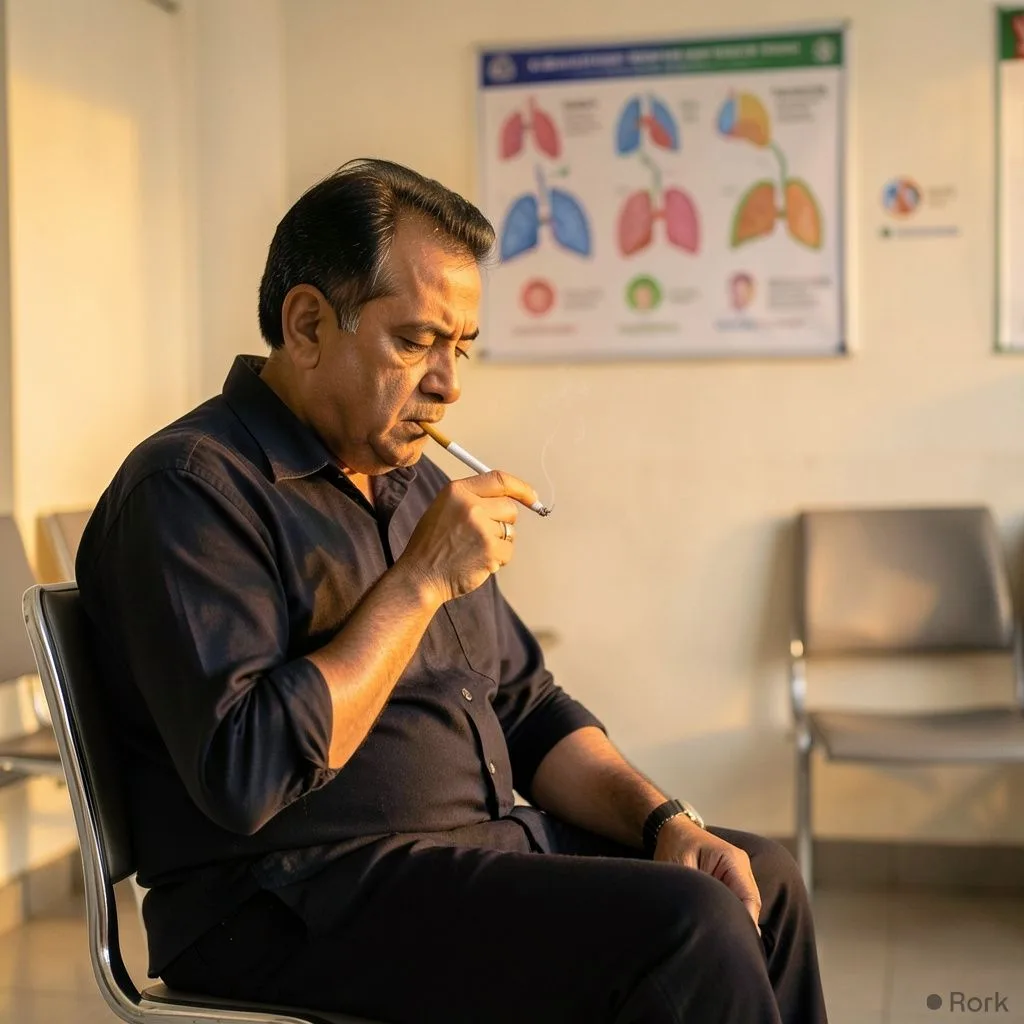
Smoking is a familiar sight on Karachi’s bustling streets, in Lahore’s tea stalls and in the tea‑houses of the northern valleys – a habit that has woven itself into daily routines for millions of Pakistanis. Yet beneath the haze of cigarette smoke lies a stark paradox: most smokers say they want to quit, but few succeed.
A recent study released by public‑health researchers reveals that roughly eight out of ten tobacco users in the country would like to give up smoking. Despite this strong intent, the majority stumble at the same hurdle – a shortage of clear, accessible information and practical support that could turn desire into lasting change.
The investigation, which surveyed a cross‑section of urban and rural respondents, found that while awareness of smoking’s health dangers is high, knowledge of effective cessation methods remains fragmented. Many participants reported confusion over nicotine‑replacement therapy options, uncertainty about where to obtain counseling, and mistrust of unregulated “quit‑cold‑turkey” advice circulating on social media. This information vacuum pushes smokers toward relapse or, worse, continued use.
Health officials point out that the consequences are already evident. Tobacco use is responsible for a sizable share of Pakistan’s preventable deaths, contributing to lung cancer, chronic obstructive pulmonary disease, heart disease and stroke. According to the Pakistan Health Ministry, more than 150,000 deaths each year can be linked directly to smoking, a burden that strains both families and the nation’s healthcare system.
In response, policymakers and NGOs are calling for a coordinated push: affordable nicotine‑replacement products, government‑subsidised quit‑lines, and community‑based counseling centres that speak local languages. Experts argue that embedding cessation support within primary‑care clinics, schools and workplaces could bridge the current gap. If the momentum behind the 80 % willingness to quit can be matched with concrete, low‑cost resources, Pakistan could see a measurable decline in tobacco‑related morbidity and mortality within the next decade.