
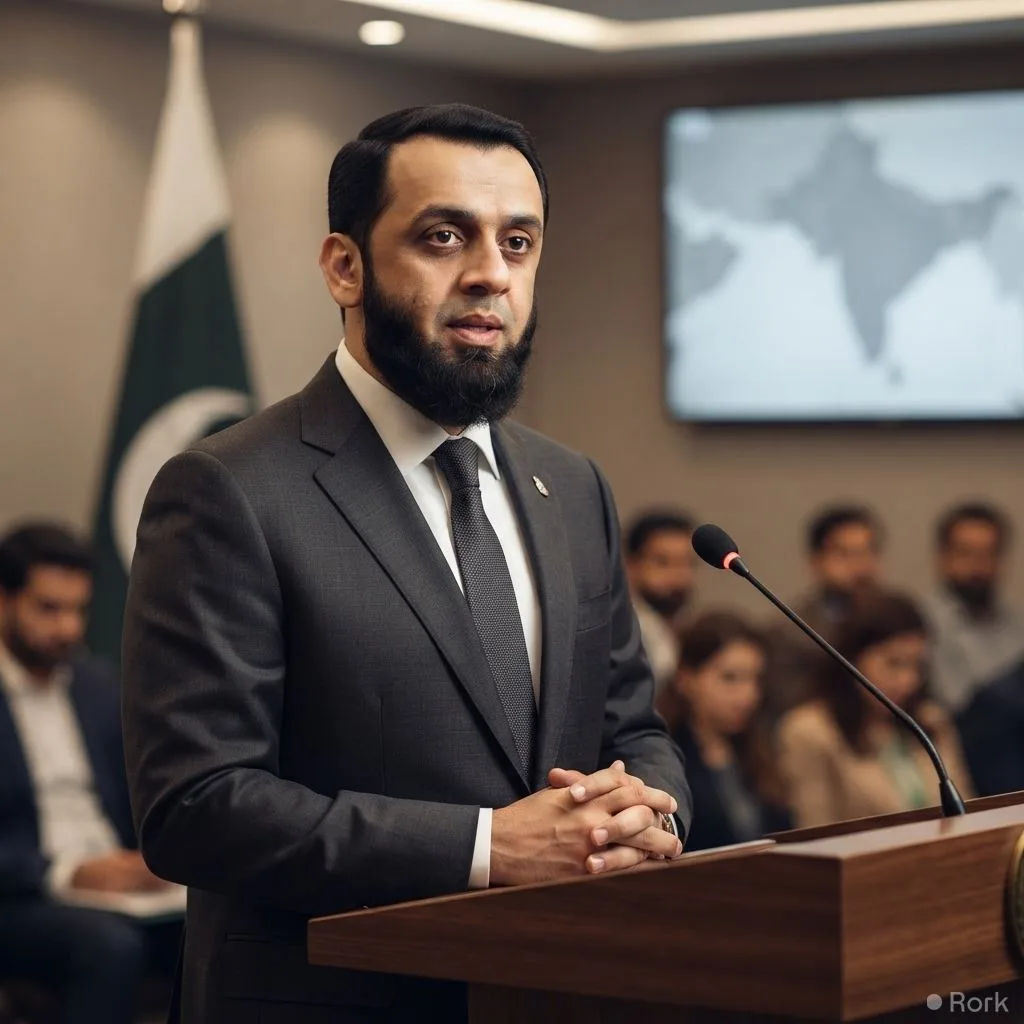
Pakistan’s Information Minister Attaullah Tarar told reporters in Islamabad on 29 September 2026 that the Taliban‑run administration in Kabul must abandon a “militant mindset” and adopt a responsible, constructive approach if the two neighbours are to achieve lasting peace and stability. Tarar’s remarks came during a regular press briefing, where he stressed that Pakistan continues to pursue peaceful coexistence with Afghanistan and that a shift in Afghan policy is essential for regional security.
The minister said Afghanistan’s situation is “highly complex,” requiring nuanced engagement rather than confrontational rhetoric. He reiterated Islamabad’s commitment to dialogue and warned that any continuation of extremist attitudes would hinder efforts to address shared challenges such as cross‑border terrorism, drug trafficking and the management of refugee flows that heavily impact Pakistan’s western provinces.
Tarar highlighted Kabul’s untapped potential to become a strategic hub for connectivity across South and Central Asia. He argued that a stable, cooperative Afghan government could facilitate trade corridors linking the China‑Pakistan Economic Corridor, the Central Asian rail network and the Indian Ocean littoral, which would generate economic benefits for both nations and reduce Pakistan’s current trade deficits.
The call for a responsible Afghan stance reflects Islamabad’s broader diplomatic strategy since the Taliban seized power in 2021. While Pakistan has continued to provide humanitarian assistance, it has also pressed the regime to align with international norms and engage in regional projects such as the Afghanistan‑Pakistan Transit Trade Agreement. Tarar’s statements are consistent with these efforts, aiming to bring Afghanistan into mainstream economic frameworks and curb the spill‑over of militancy into Khyber Pakhtunkhwa and Balochistan.
Security analysts note that Pakistan’s overt appeal to the Taliban may be designed to create pressure for reforms that could unlock additional development aid and investment. A more moderate Afghan policy could ease security concerns along the porous Durand Line, allowing Pakistani security forces to reallocate resources toward internal counter‑terrorism operations and development initiatives in the border districts.
Concluding his briefing, Tarar affirmed that Islamabad stands ready to collaborate with a responsible Afghan government to realise the country’s connectivity promise, which he described as a “gateway for prosperity” for the entire sub‑continent. He urged the Taliban to seize the opportunity to transform Afghanistan from a source of insecurity into a conduit for trade, investment and regional integration.