
What happened?
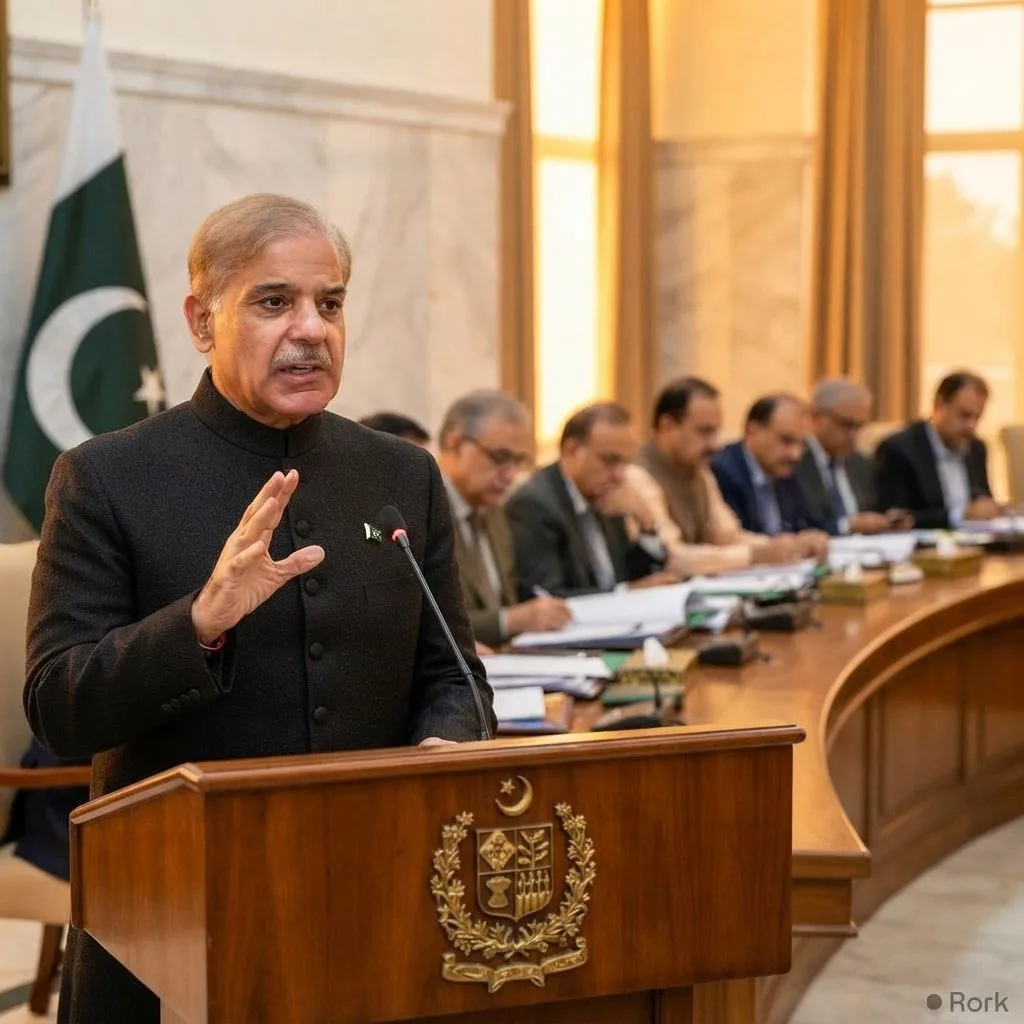
Prime Minister Shehbaz Sharif convened a meeting in Islamabad with roughly 41 federal secretaries and heads of departments, urging them to treat his directives as binding and to accelerate the execution of government decisions. He warned that the current pace of implementation is sluggish and that follow‑up mechanisms are weak.
Why does it matter?
The Prime Minister’s admonition targets a persistent bottleneck in Pakistan’s public‑service delivery, where many projects and policy reforms stall at the bureaucratic level. Faster, more reliable implementation is expected to improve everything from infrastructure roll‑outs and health‑sector reforms to the disbursement of social safety‑net funds, directly affecting citizens across the provinces.
What happens next?
Officials were told that their performance will be closely monitored, with tighter accountability measures introduced to ensure compliance. Ministries are expected to submit regular progress reports, and any persistent delays could trigger administrative reviews or corrective actions under the Prime Minister’s office.