
Key points
- Barrister Gohar Ali Khan testified before the Islamabad High Court that PTI does not own or operate Imran Khan’s official X account.
- He stressed the party has no editorial control over the posts made on the profile.
- The remark was given during ongoing litigation that involves the PTI leadership and several social‑media‑related charges.
- The clarification could shape how Pakistani authorities hold political parties accountable for online content.
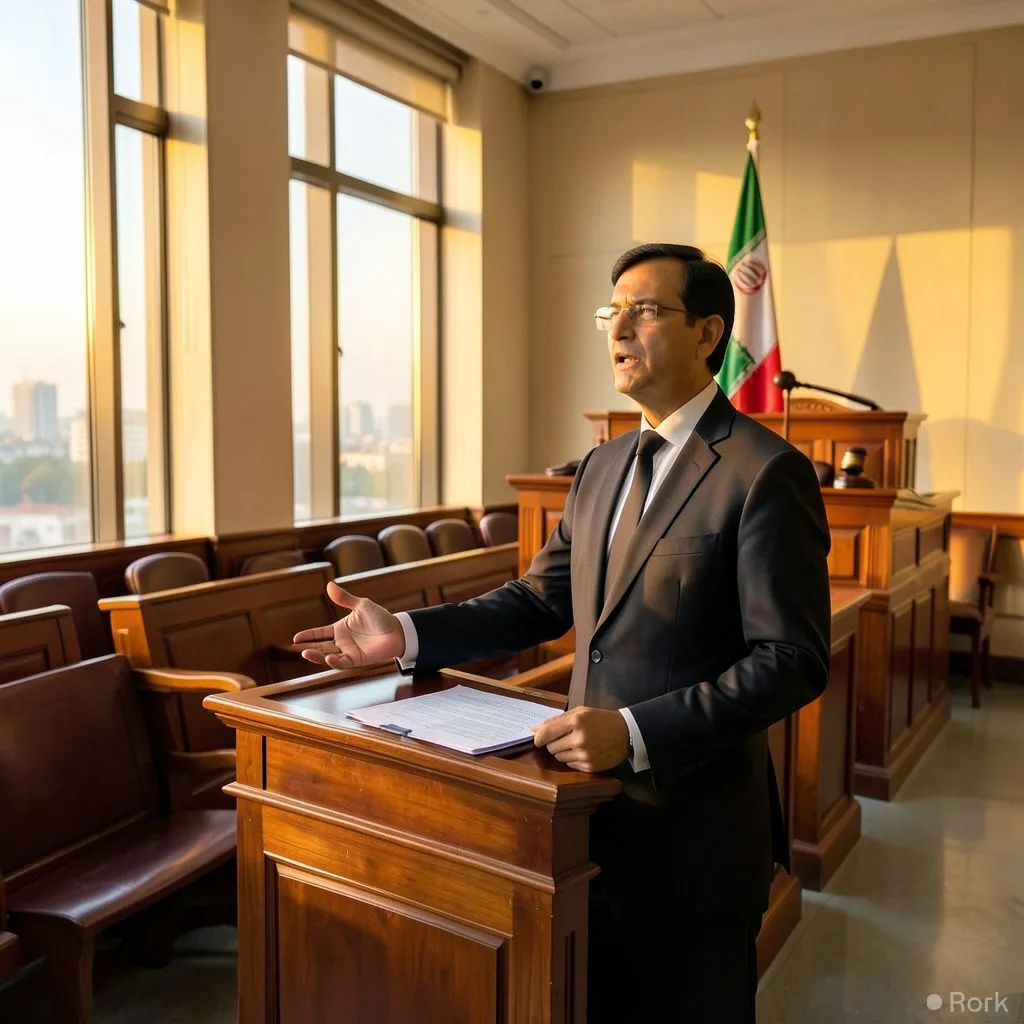
Barrister Gohar Ali Khan, a senior legal adviser to Pakistan Tehreek‑e‑Insaf, appeared before the Islamabad High Court on Thursday and asserted that the party has no claim to the official X (formerly Twitter) account used by its chairman, former Prime Minister Imran Khan. He told the bench that the profile is a personal channel of the party’s leader and that PTI does not exercise any managerial or editorial authority over it. The court recorded his statement as part of a larger set of proceedings that have been tracking the PTI’s alleged violations of the country’s cyber‑law and defamation statutes.
The distinction is significant under Pakistani law, where political parties can be held liable for statements disseminated through official channels. Recent weeks have seen a series of posts from Imran Khan’s X account cited in investigations ranging from alleged hate speech to accusations of incitement. By distancing the party from the account, Gohar aims to shield PTI from direct legal responsibility for content that may be deemed unlawful, a move that could influence the framing of charges against party officials.
Legal analysts note that the testimony underscores a growing gray area in Pakistan’s digital‑media regulations. While individuals are typically responsible for their own online activity, the blurred line between a personal account and a de‑facto party mouthpiece has prompted calls for clearer guidelines. Opposition figures have already seized on the issue, demanding that any statements made by Imran Khan on X be treated as official party pronouncements, thereby subjecting PTI to the same scrutiny as state‑run media outlets.
The court’s forthcoming ruling will likely set a precedent for how political entities manage their social‑media presence in a country where digital platforms increasingly shape public opinion. If the bench accepts Gohar’s clarification, PTI may retain a degree of separation from controversial posts, but the debate over accountability for online speech is expected to intensify as the nation approaches the next electoral cycle.