
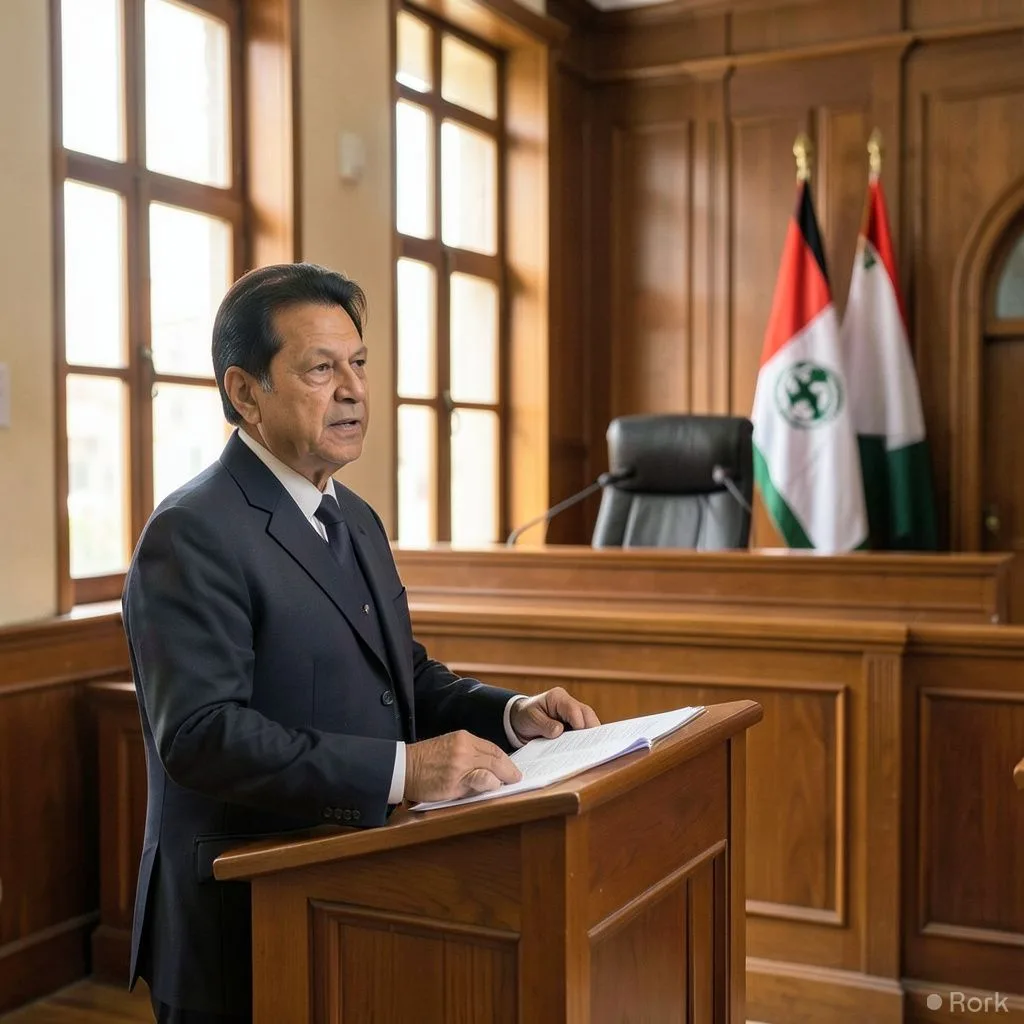
PTI’s chairman, Barrister Gohar, lodged a petition before the Supreme Court on Thursday demanding the immediate revocation of the emergency declaration and the governor’s rule imposed on Khyber Pakhtunkhwa, and calling for the reinstatement of the province’s elected administration that was ousted after the last general election.
The petition, submitted through PTI lawyer Ali Zaman, argues that the federal imposition of emergency powers and the subsequent dismissal of the provincial government contravene the Constitution of Pakistan, infringe on democratic norms, and undermine the mandate of the electorate in the province.
In a brief statement, PTI underscored its resolve to pursue a “constitutional and legal struggle” against the measures, vowing to use all judicial avenues to restore the democratic setup in Khyber Pakhtunkhwa. The party warned supporters to remain peaceful while the courts examine the case, emphasizing that any escalation could further destabilise an already volatile political climate.
The emergency and governor’s rule were triggered earlier this week after the federal government cited alleged administrative failures and security lapses in the province. Critics, however, contend that the move is politically motivated, aimed at curbing PTI’s influence in a region where the party enjoys substantial grassroots support.
If the Supreme Court were to overturn the emergency, the provincial cabinet led by the PTI‑affiliated chief minister would be reinstated, allowing the province to resume its regular legislative and development agenda. Conversely, a ruling in favour of the federal decree could set a precedent for future central interventions in provincial affairs, raising concerns among other provincial governments about the balance of power under Pakistan’s federal system.
The filing arrives amid heightened tension between the ruling coalition at the centre and opposition parties, with opposition leaders across the country watching the case closely as a barometer for the health of parliamentary democracy in Pakistan.
Legal experts note that the Supreme Court’s decision will hinge on interpretations of Articles 112 and 232 of the Constitution, which outline the circumstances under which an emergency may be declared and a governor’s rule imposed. They also point out that past judgments have stressed the necessity of proportionality and adherence to procedural safeguards, factors that PTI’s petition claims were ignored in the current scenario.
Stakeholders in Khyber Pakhtunkhwa, from business owners to civil‑society groups, have expressed anxiety over the uncertainty created by the emergency, citing disruptions to public services, stalled development projects, and a chilling effect on political discourse. The province’s economy, already strained by security challenges, could face further setbacks if the legal impasse persists.
As the Supreme Court schedules hearings for the petition, PTI has urged the judiciary to act swiftly, insisting that a prompt resolution is essential to restore confidence in democratic institutions and to prevent any erosion of provincial autonomy.
The outcome of this legal battle will likely shape the trajectory of centre‑province relations in Pakistan and could have lasting implications for the country’s democratic consolidation.