
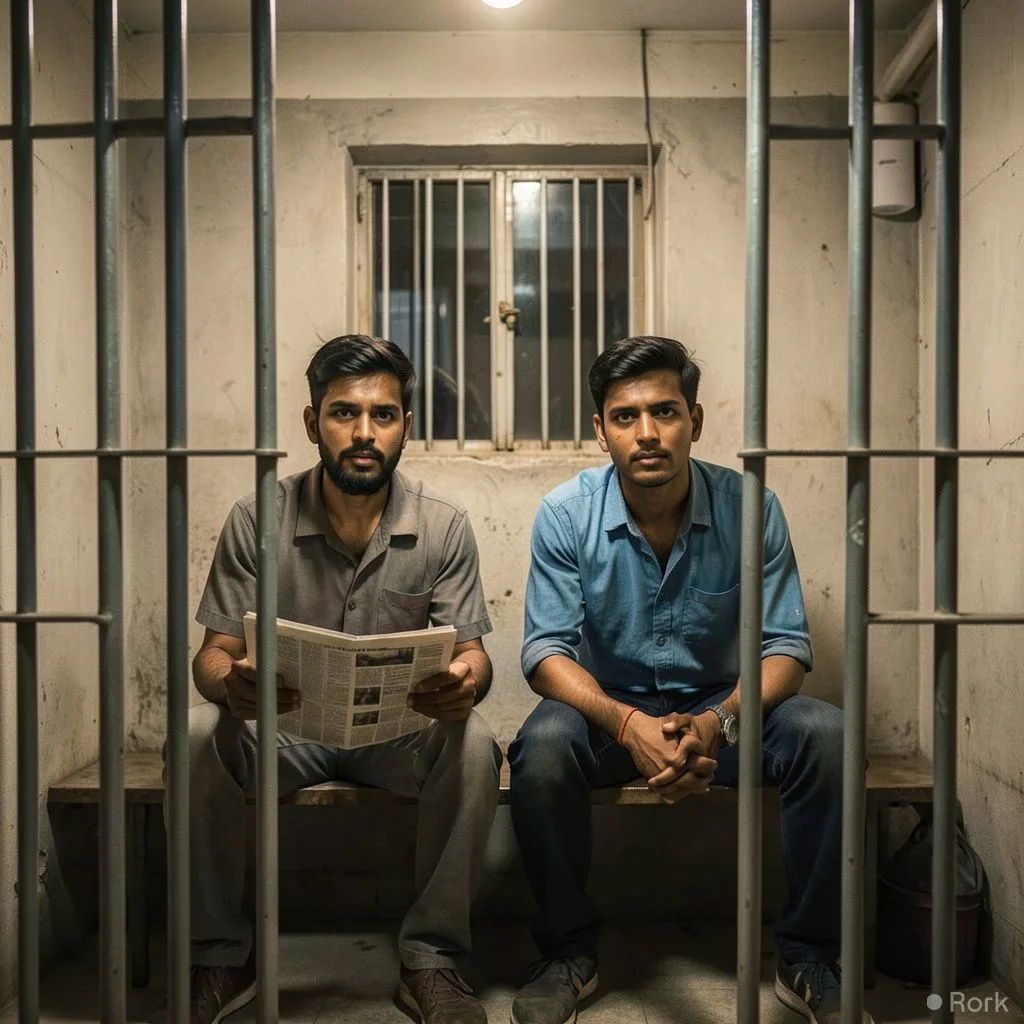
The streets of Delhi have once again become a flashpoint, as police cordoned off the former protest hub that had drawn thousands of young activists earlier this month. Amid heightened security and a court‑issued prohibition on gatherings, two prominent figures of the youth‑driven “cockroach” movement stepped onto the site, prompting a swift arrest.
A Delhi court ordered the detention of the two leaders for a period of five days after they were found violating the ban by entering the prohibited area. Both activists were taken into custody by municipal police and transferred to a local detention centre, where they will remain until their next hearing.
A spokesperson for the Centre for Justice and Peace (CJP) condemned the arrests, asserting that the brief imprisonment would not deter the campaign’s broader push for democratic reforms. The CJP also demanded the resignation of the election chief, accusing the official of partisan bias that, in its view, undermines the credibility of India’s electoral machinery.
Opposition parties have rallied around the detained activists, framing the episode as part of a wider crackdown on dissent. They have called for greater transparency regarding the enforcement of protest bans and have urged the judiciary to reconsider the severity of the punishment.
For Pakistan, the developments echo concerns over the treatment of civil‑society movements across the subcontinent, especially as Indian youth activism often finds resonance among Pakistani university students and diaspora groups. The incident may spur renewed dialogue on cross‑border civil‑rights advocacy and could influence how regional NGOs coordinate future campaigns on democratic freedoms.