
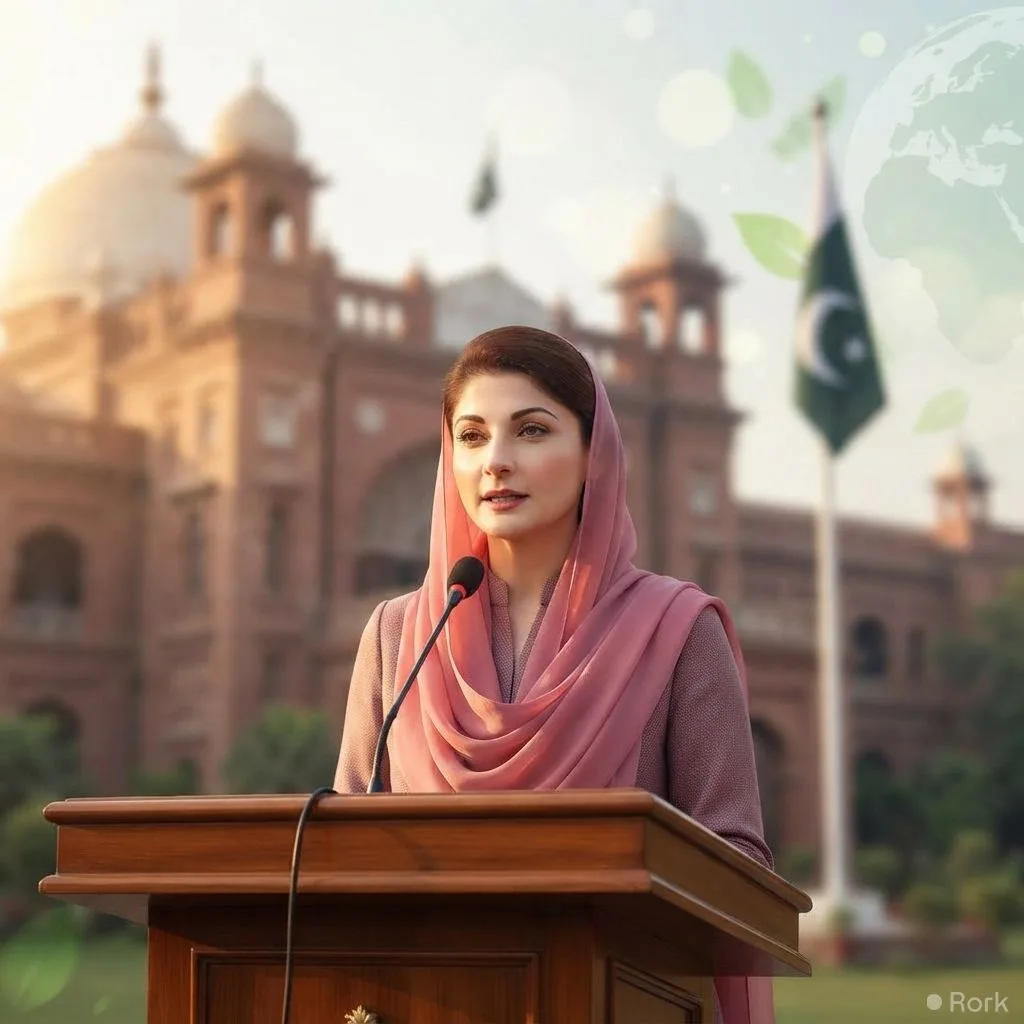
The province of Punjab is navigating an unprecedented wave of climate‑related pressures, from erratic monsoon patterns to soaring summer temperatures that strain agriculture, water supplies and public health. In the midst of this urgency, the provincial government has taken a data‑centric turn, and that shift has now earned international recognition.
The Global Sustainability Trust – a Swiss‑based organization that convenes the Nobel Sustainability Award and is chaired by Peter Nobel – has placed Punjab’s chief minister, Maryam Nawaz Sharif, on its shortlist for the Noble Sustainability Global Leadership Award. The nomination spotlights her administration’s systematic use of climate data to shape policy and drive sustainable development across the province.
Since taking office, Nawaz has overseen the launch of the Punjab Climate Observatory, a digital platform that aggregates real‑time weather, soil moisture and river flow information for use by farmers, planners and disaster‑response teams. The observatory feeds directly into the province’s “Green Punjab” strategy, which targets a 30 percent increase in renewable energy capacity and the greening of 1 million hectares of marginal land by 2030. By grounding decisions in measurable indicators, the government claims to have reduced heat‑wave‑related mortality by 12 percent in the past two years.
The nomination also underscores a broader push to embed sustainability metrics into budgeting and legislative processes. Punjab’s recent Climate‑Resilient Infrastructure Bill mandates that all major public‑works projects undergo a carbon‑impact assessment, and funds are being earmarked for climate‑smart irrigation systems that promise to cut water use by up to 25 percent. If the award materialises, it could accelerate funding from international climate funds and attract private‑sector partnerships keen to tap into a province that is positioning itself as a South Asian model for climate governance.
Local stakeholders have greeted the news with cautious optimism. Agricultural unions see the data‑driven approach as a potential lifeline for smallholders facing unpredictable rains, while opposition parties have called for transparent monitoring of the award’s criteria. Regardless of the political undercurrents, the recognition places Punjab’s climate agenda on a global stage and signals that the province’s efforts to blend technology, policy and sustainability are beginning to bear fruit.