
Key points:
- Punjab’s provincial cabinet has given the green light to three flagship health projects: a medical college and teaching hospital in Mian, a cancer hospital, and a cardiology institute.
- The facilities—Maryam Nawaz Medical College, Kulsoom Nawaz Cancer Hospital and Nawaz Sharif Institute of Cardiology—are slated to boost specialty care and medical education across the province.
- Authorities expect the projects to generate hundreds of jobs, draw qualified clinicians, and reduce the need for patients to travel to private or out‑of‑province centres for advanced treatment.
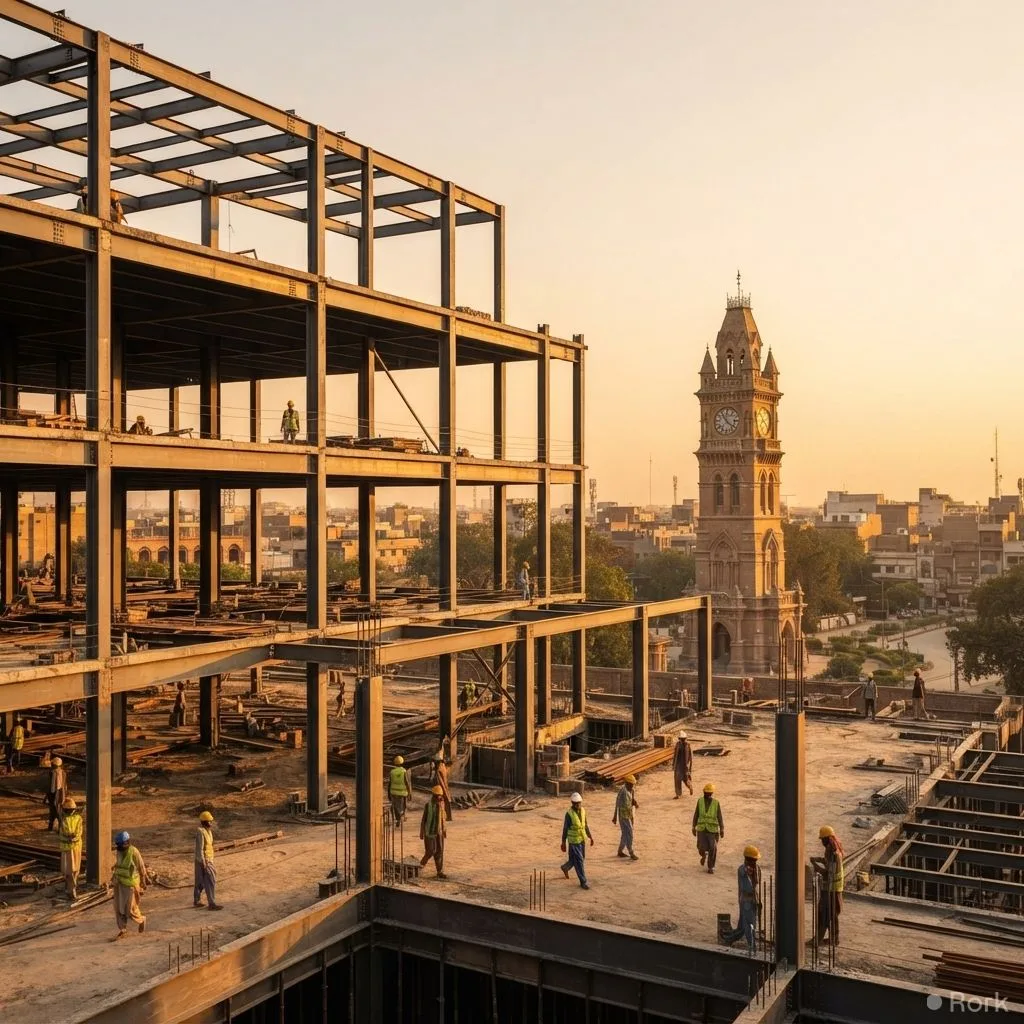
The provincial government announced on 26 September that it will fund the establishment of the Maryam Nawaz Medical College and Teaching Hospital in Mian. Designed to accommodate up to 250 undergraduate medical seats and a 500‑bed teaching hospital, the institution aims to address the chronic shortage of qualified doctors in Punjab’s rural districts. By coupling education with a full‑service clinical wing, the project seeks to retain graduates locally, a long‑standing challenge for the province’s health workforce.
In parallel, the Kulsoom Nawaz Cancer Hospital will be built as a dedicated oncology centre equipped with radiotherapy, chemotherapy and surgical oncology units. Punjab currently relies heavily on a handful of tertiary cancer facilities in Lahore and Faisalabad, leaving many patients to endure long travel times and out‑of‑pocket expenses. The new hospital is expected to serve an estimated 1.2 million cancer patients annually from across the region, easing pressure on existing centres and aligning with the national cancer control strategy.
The Nawaz Sharif Institute of Cardiology will focus on comprehensive cardiac care, including interventional cardiology, electrophysiology and cardiac surgery. Cardiovascular disease remains the leading cause of mortality in Pakistan, and the institute’s state‑of‑the‑art catheterisation labs aim to curtail the high rates of preventable deaths by providing timely, affordable treatment. Its placement in a strategically located urban hub is intended to create a referral network for surrounding districts, improving access for underserved populations.
Collectively, the three projects represent a significant investment in Punjab’s health infrastructure, projected to cost several billion rupees over the next five years. Officials anticipate that the facilities will not only elevate the province’s medical standards but also stimulate ancillary economic activity—from construction jobs to pharmaceutical supply chains. Stakeholders, including medical colleges, patient advocacy groups and private practitioners, have welcomed the initiatives, noting that they could set a benchmark for other provinces aiming to modernise their healthcare delivery systems.