
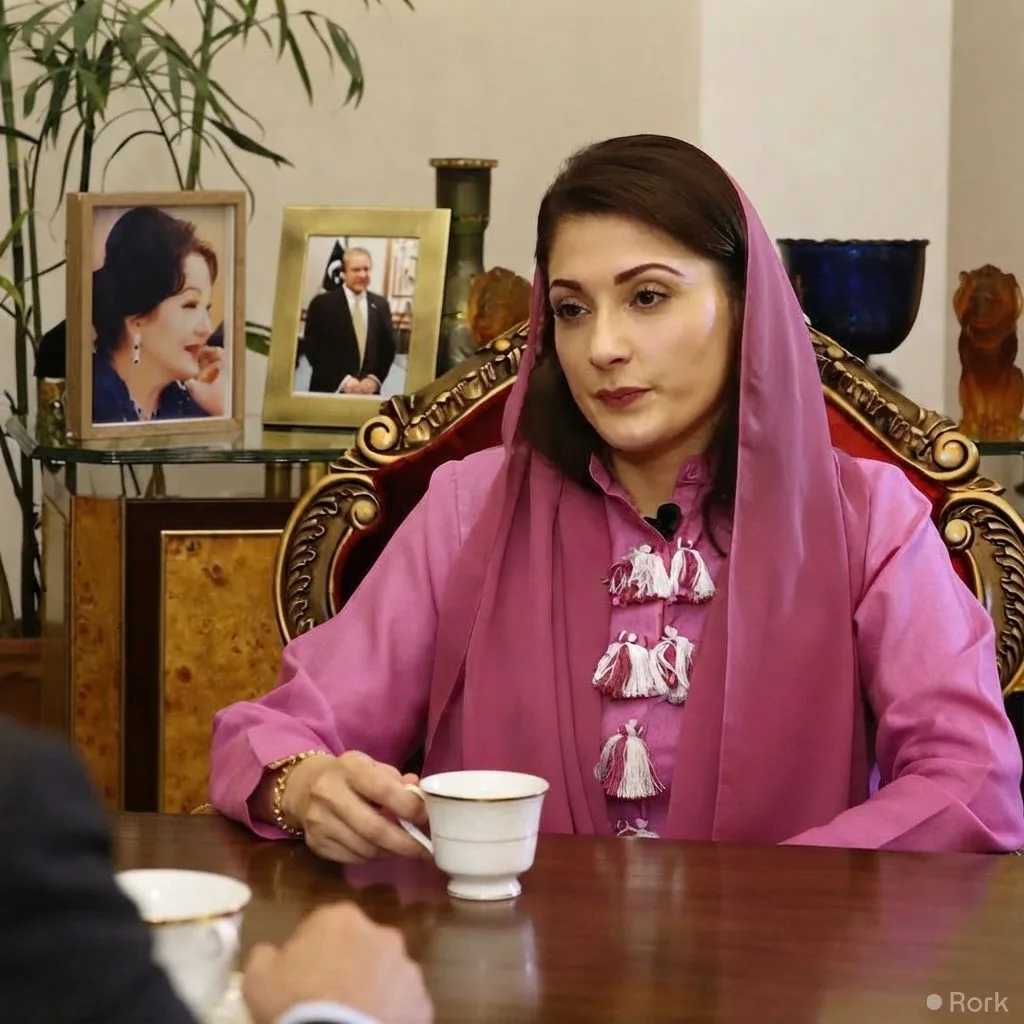
Punjab’s mobile‑clinic programme, “Clinic on Wheels,” has now delivered medical services to more than 30 million patients across the province, the health department announced on Monday. Launched under Chief Minister Maryam Nawaz’s administration, the initiative marks a milestone in Punjab’s effort to bring primary‑health care directly to underserved communities.
The fleet, consisting of fully equipped vans staffed by doctors, nurses and pharmacists, roams through remote villages, peri‑urban settlements and hard‑to‑reach districts, offering consultations, basic diagnostics, vaccinations and essential medicines. According to the health ministry, each vehicle can treat up to 200 patients per day, and the network now operates in all 36 districts, with particular focus on areas that lack permanent health facilities.
Punjab, home to roughly 110 million people, has long grappled with disparities in health‑service access, especially in its northern and western rural belts where travel to the nearest clinic can take several hours. By eliminating the need for patients to journey to distant hospitals, the mobile units are expected to reduce out‑of‑pocket expenses, encourage earlier detection of chronic diseases, and improve immunisation coverage among children.
The government says the success of the programme has prompted plans to enlarge the fleet further. Funding has been earmarked for an additional 150 vans over the next two years, with a target of reaching the most isolated tehsils by 2028. Officials also intend to integrate tele‑medicine links into the vans, enabling remote specialists to advise on complex cases in real time.
Health experts note that the cumulative reach of 30 million consultations could have a measurable impact on Punjab’s public‑health indicators, such as maternal‑mortality rates and the prevalence of water‑borne illnesses, which have historically been higher in remote locales. The mobile clinics also serve as a platform for health‑education campaigns, distributing information on nutrition, hygiene and COVID‑19 booster shots.
While the initiative has been praised for its rapid scale‑up, officials acknowledge logistical challenges, including maintaining a steady supply chain of medicines and ensuring the safety of staff during extreme weather. To address these issues, the province is collaborating with local NGOs and private‑sector partners to streamline inventory management and provide additional training for the mobile‑clinic workforce.
If the expansion proceeds as outlined, “Clinic on Wheels” could become a permanent fixture of Punjab’s health‑service architecture, complementing stationary hospitals and primary‑care centres, and setting a precedent for other provinces seeking to bridge the urban‑rural health divide.