
Key points:
- Sindh MPA Taimur Talpur proclaimed that the province’s health‑care services surpass those of the United Kingdom and European nations.
- The statement was made while reviewing recent upgrades to public hospitals, the rollout of new primary‑health‑centre networks and the deployment of advanced diagnostic equipment in Sindh.
- Talpur called on provincial policymakers to cement these gains with continued budgetary support and systematic staff training.
- The comment surfaces amid ongoing debates over the adequacy of health‑care funding across Pakistan’s provinces.
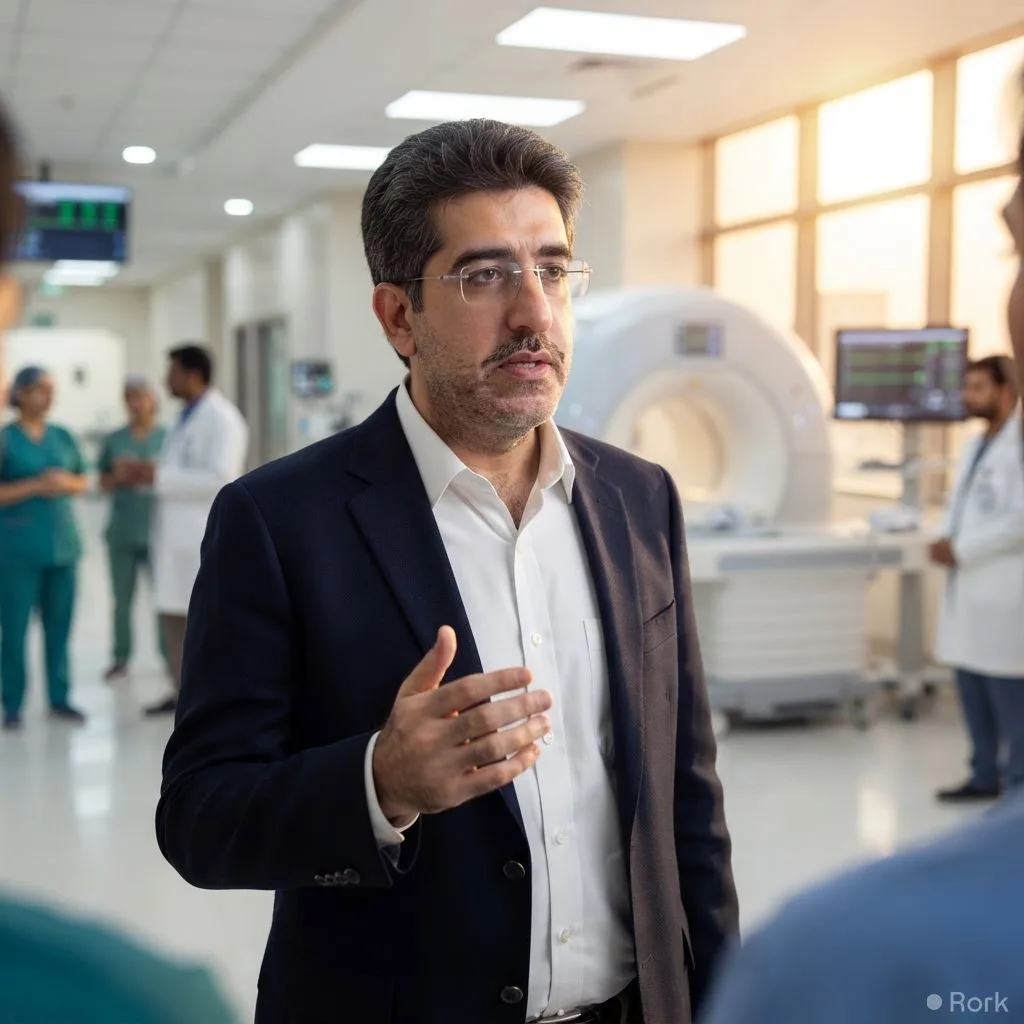
Provincial lawmaker Taimur Talpur used a press briefing on September 3 to assert that the quality of medical care available in Sindh now exceeds that found in the UK and most European health systems. Speaking after a tour of newly refurbished wards at Jinnah Postgraduate Medical Centre and a showcase of point‑of‑care imaging units at a rural health centre, Talpur highlighted a string of recent initiatives: the addition of intensive‑care beds, the expansion of the primary‑health‑centre (PHC) network to cover previously underserved districts, and the introduction of digital radiology and laboratory platforms that reduce turnaround times for critical tests.
The MPA’s remarks were framed as a defence of the provincial government’s health‑sector strategy, which has allocated over PKR 150 billion to infrastructure upgrades since 2022. According to the Sindh Health Department, more than 30 public hospitals have undergone structural renovations, and the number of PHCs has risen by roughly 20 percent, bringing basic services closer to 4 million residents in remote areas. Talpur also pointed to a new training programme for nurses and junior doctors, funded in partnership with international NGOs, as evidence that Sindh is building a skilled workforce capable of delivering “world‑class” care.
Critics, however, caution that the rhetoric may outpace measurable outcomes. While patient‑flow statistics show modest improvements, independent health analysts note that mortality rates for maternal and neonatal complications remain above the national average, and that supply‑chain bottlenecks continue to affect the availability of essential medicines. The provincial assembly is scheduled to debate the 2027 health‑budget proposal next month, and Talpur’s call for sustained investment could influence the allocation of federal transfers earmarked for health‑care development.
If the province can translate Talpur’s optimism into concrete, equity‑focused policies, Sindh’s health‑care model could become a benchmark for other regions of Pakistan. Conversely, failure to address lingering gaps may render the boast of “out‑performing the UK” a political slogan rather than a lasting reality for the millions of Sindhis who depend on public health services.