
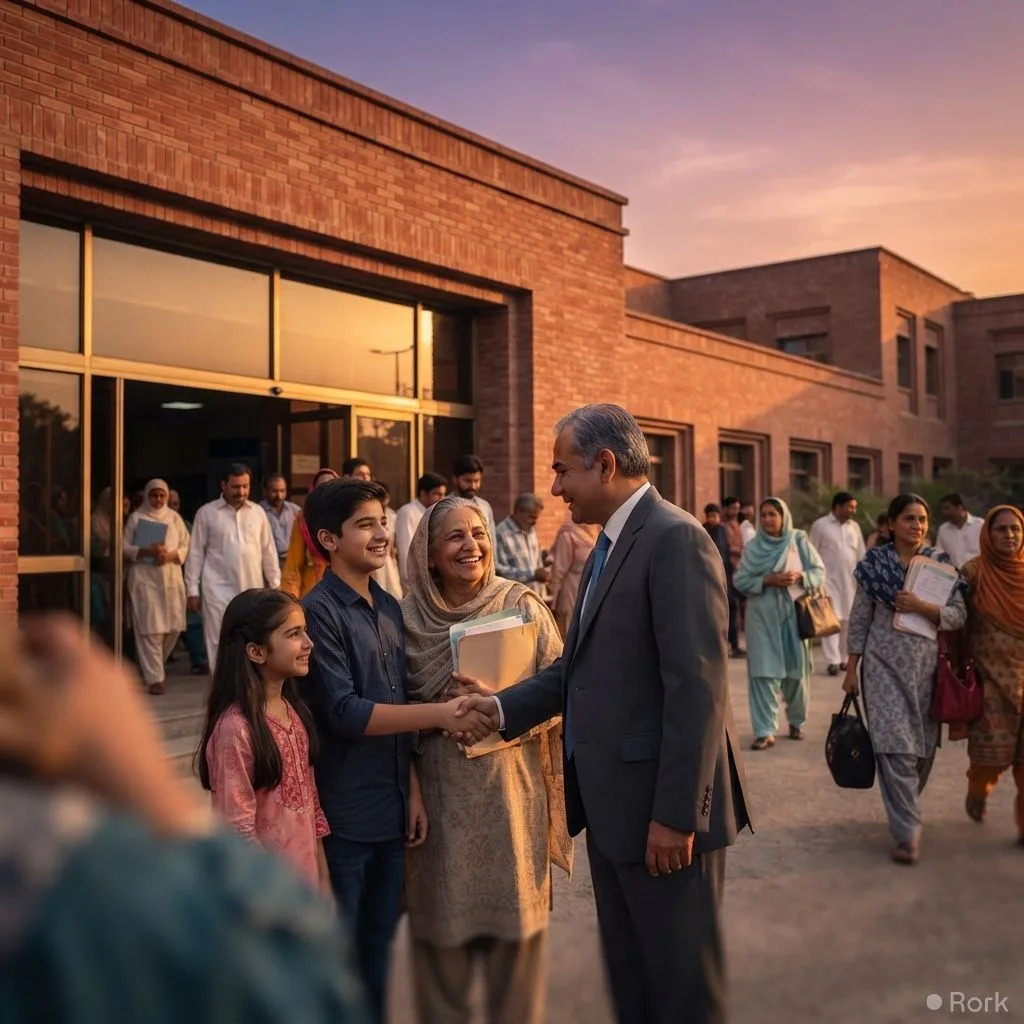
Punjab’s health department announced on Monday that its free‑cancer‑treatment scheme has been extended to a network of 33 public hospitals across the province, allowing patients to receive diagnostic tests, chemotherapy, radiotherapy and follow‑up consultations without paying any fees. The expansion, rolled out under the Chief Minister’s Special Initiative for Cancer, aims to lessen the financial strain on families and improve access to specialised oncology services.
The newly added facilities include major teaching institutions such as Services Institute of Medical Sciences, Fatima Memorial Hospital and Bahawalpur Victoria Hospital, as well as district‑level hospitals in Gujranwala, Multan, Sargodha and other towns. By covering both tertiary‑care centres and peripheral hospitals, the government intends to widen geographic reach so that patients in rural and semi‑urban areas no longer need to travel long distances for treatment.
Health officials said the programme now covers the full spectrum of cancer care – from early‑stage screening and imaging to advanced chemotherapy cycles and radiotherapy sessions – at no cost to the patient. The move is expected to encourage earlier detection, which health experts warn is crucial in a country where cancer accounts for roughly one‑tenth of all deaths and where out‑of‑pocket health spending remains among the highest in South Asia.
Since its launch in 2023, the initiative initially operated in 12 hospitals and treated over 8,000 patients in its first year. The latest expansion triples that coverage, potentially benefitting an estimated 30,000 additional cancer sufferers annually, according to the Punjab Cancer Registry. Officials highlighted that the added capacity will also alleviate the workload on existing oncology units, reducing waiting times for both new and returning patients.
The Chief Minister’s office described the step as part of a broader public‑health investment agenda that includes the establishment of a provincial cancer registry, mobile screening units and partnerships with private laboratories for low‑cost pathology services. While the government has not disclosed the exact budget allocated to the expansion, the Health Department confirmed that the scheme will continue to be funded through provincial revenues and federal health grants.
Patient advocacy groups welcomed the announcement, noting that many families in Punjab have been forced to sell assets or incur high‑interest loans to afford cancer treatment. “Removing the cost barrier is a lifesaving measure for thousands of households,” said a spokesperson for the Pakistan Cancer Society, adding that the increased hospital network will also improve data collection for research and policy planning.
The rollout is set to begin in the first week of October, with hospitals receiving additional oncology equipment and trained staff over the coming weeks. The health ministry urged eligible patients to register through their nearest public hospital or the online portal launched last year, emphasizing that the free‑care entitlement applies to all cancer types, irrespective of disease stage.