
Key points
- Over 856,000 driving licences were issued across Punjab in the last thirty days, marking a 34 % rise in licence‑related services.
- Lahore alone accounted for more than 139,000 new licences during the same period, underscoring the city’s pivotal role in provincial road‑traffic activity.
- Officials credit the surge to faster, digitised procedures and longer operating hours at licensing centres.
- The figures illustrate Punjab’s broader push to modernise transport administration and widen access for motorists throughout the province.
The Punjab Road Transport Authority reported a striking jump in licence issuance this month, with the total number of citizens receiving a fresh driving permit climbing to 856,000 +. The 34 % increase compared with the previous month signals a growing demand for formal road‑travel documentation, likely driven by the province’s expanding vehicle fleet and the need for legal compliance among new and existing drivers.
Lahore, the province’s capital and its most populous urban centre, contributed a substantial share of the workload, issuing roughly 139,000 licences. This concentration reflects the city’s dense traffic network and the high turnover of commuters, commercial drivers, and ride‑hailing operators who rely on timely licence processing.
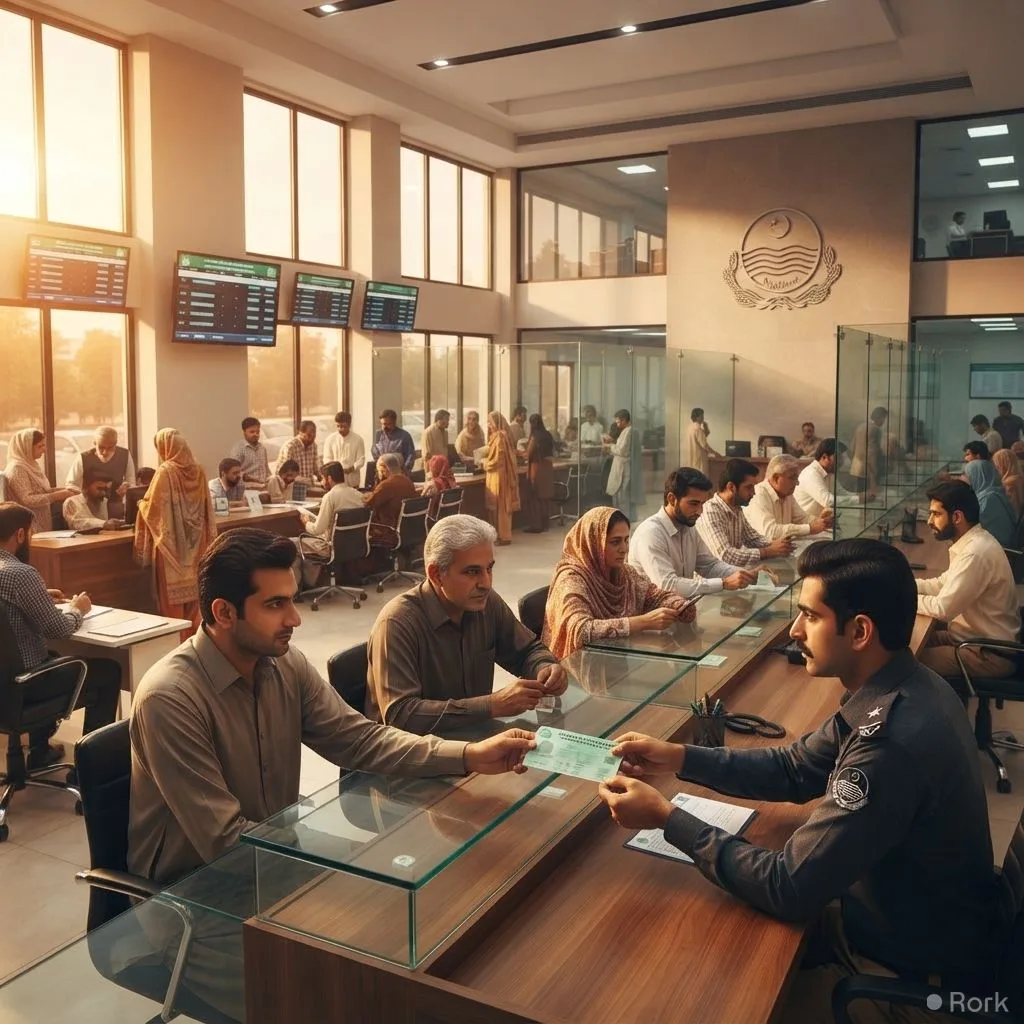
Authorities attribute the upward trend to a series of reforms introduced over the past year, including the rollout of an integrated digital application platform, the extension of service hours at regional licensing offices, and the deployment of mobile verification units in remote districts. These measures are intended to reduce queue times, curb informal payments, and bring formal licensing within reach of residents in both urban and rural areas.
The surge in licence issuance aligns with Punjab’s strategic objective to improve road safety and streamline transport governance. By facilitating easier access to legally recognised licences, the government hopes to curb unregistered driving, enhance compliance with traffic regulations, and ultimately lower accident rates across the province’s extensive road network.