
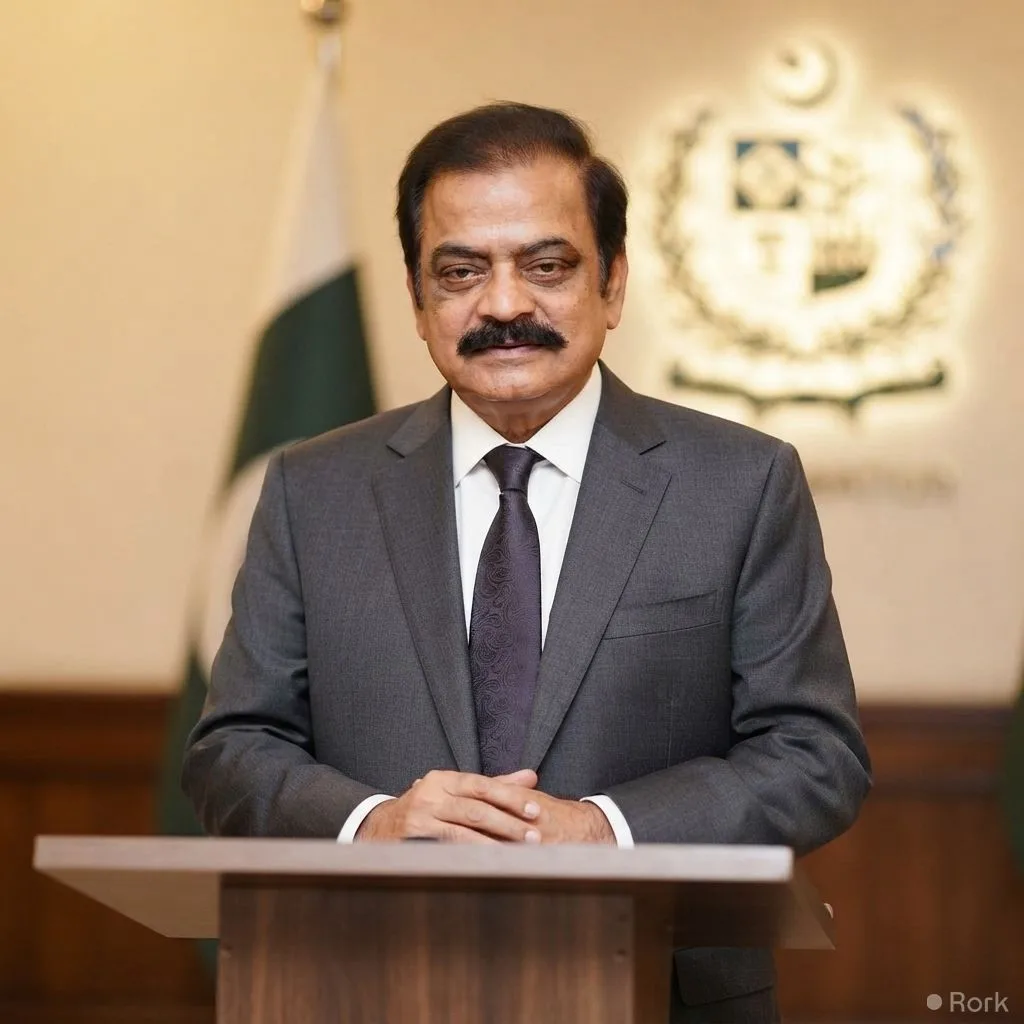
The streets of Islamabad, Lahore and Karachi have been alive with rallies and sit‑ins staged by Pakistan Tehreek‑e‑Insaf (PTI) supporters, demanding a reset of the political deadlock that has gripped the nation since the last parliamentary session. Against this backdrop, the federal administration’s political adviser, Rana Sanaullah, stepped forward to clarify the government’s stance on the mounting street pressure.
Speaking to reporters at a press briefing in the capital, Sanaullah dismissed the notion that the cabinet could be coerced by mass protests. He emphasized that policy decisions will be taken on the basis of national interest and constitutional mandate, not by the volume of demonstrators gathering outside government offices.
At the same time, the adviser signaled a willingness to keep diplomatic channels with PTI open. “We are not closing the door on dialogue,” he said, adding that the government remains prepared to engage in constructive talks should the opposition seek a peaceful resolution. This invitation comes as PTI’s leadership has repeatedly warned that continued street activism could spiral into broader unrest, putting pressure on the ruling coalition ahead of the scheduled general elections later next year.
Political analysts note that Sanaullah’s remarks aim to balance two competing imperatives: projecting firmness to deter any perception of governmental weakness, while also averting an escalation that could destabilise the already fragile parliamentary arithmetic. The Prime Minister’s office has been navigating a delicate dance, trying to maintain coalition cohesion among its diverse partners while addressing PTI’s demands for electoral reforms and the release of detained party figures.
For ordinary Pakistanis, the outcome of these behind‑the‑scenes negotiations could determine whether the country experiences a smooth transition of power or faces another wave of protest‑driven disruption. As the government reiterates its independence from street pressure yet leaves a window for conversation, the next weeks will likely reveal whether dialogue can replace confrontation in Islamabad’s evolving political theatre.