
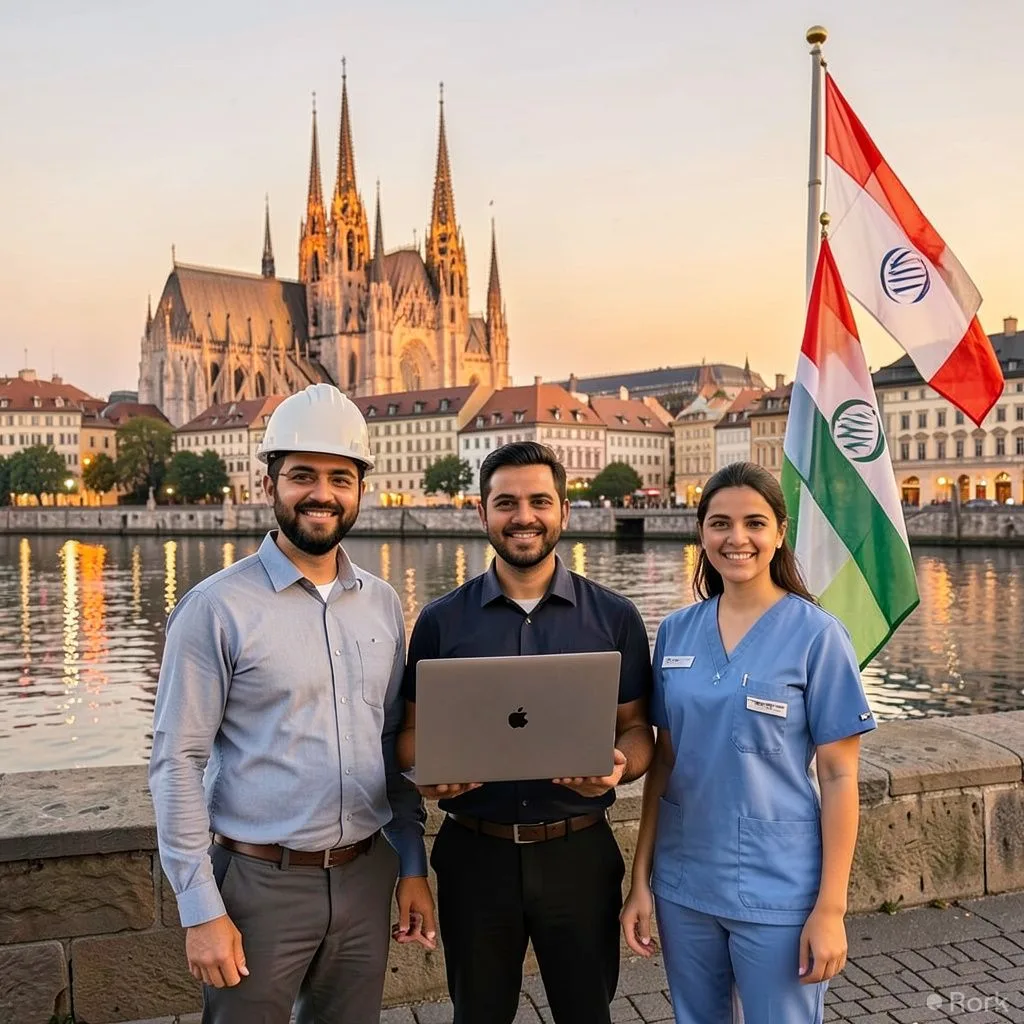
Up to 24 months of residence can be secured through Austria’s Red‑White‑Red Card for qualified Pakistani professionals.
Austria has opened its Red‑White‑Red Card scheme to Pakistani applicants who satisfy a points‑based assessment covering education, professional experience and a confirmed job offer from an Austrian employer. The programme targets high‑demand sectors such as engineering, information technology, and healthcare, allowing successful candidates to obtain a residence permit that can be renewed and eventually converted into permanent residency.
The move comes as Austria grapples with a persistent shortage of skilled labour across several key industries. By widening the talent pool to include qualified workers from Pakistan, the Austrian government hopes to fill vacancies that domestic recruitment has struggled to meet. In return, Pakistani specialists gain access to a stable European labour market, competitive salaries, and the possibility of long‑term settlement in a country known for its high living standards and strong social security system.
Prospective applicants must first register their credentials with the Austrian Embassy in Islamabad or the consulate in Karachi, then submit a points‑calculation form. Points are awarded for recognized academic degrees, relevant work experience, language proficiency in German or English, and the presence of a binding employment contract. Once the minimum threshold is reached, the authorities issue a Red‑White‑Red Card valid for up to two years, after which holders may apply for an extension or a settlement permit, provided they continue to meet the integration and employment criteria.
For Pakistan, the initiative could open a new channel for skilled migration, offering professionals a chance to enhance their expertise abroad while sending remittances home. It also underscores the need for local universities and training institutes to align curricula with international standards, ensuring that graduates remain competitive in global talent pools. Career counsellors and recruitment agencies are already advising potential candidates on how to navigate the application process, positioning the scheme as a viable alternative to traditional migration destinations.