
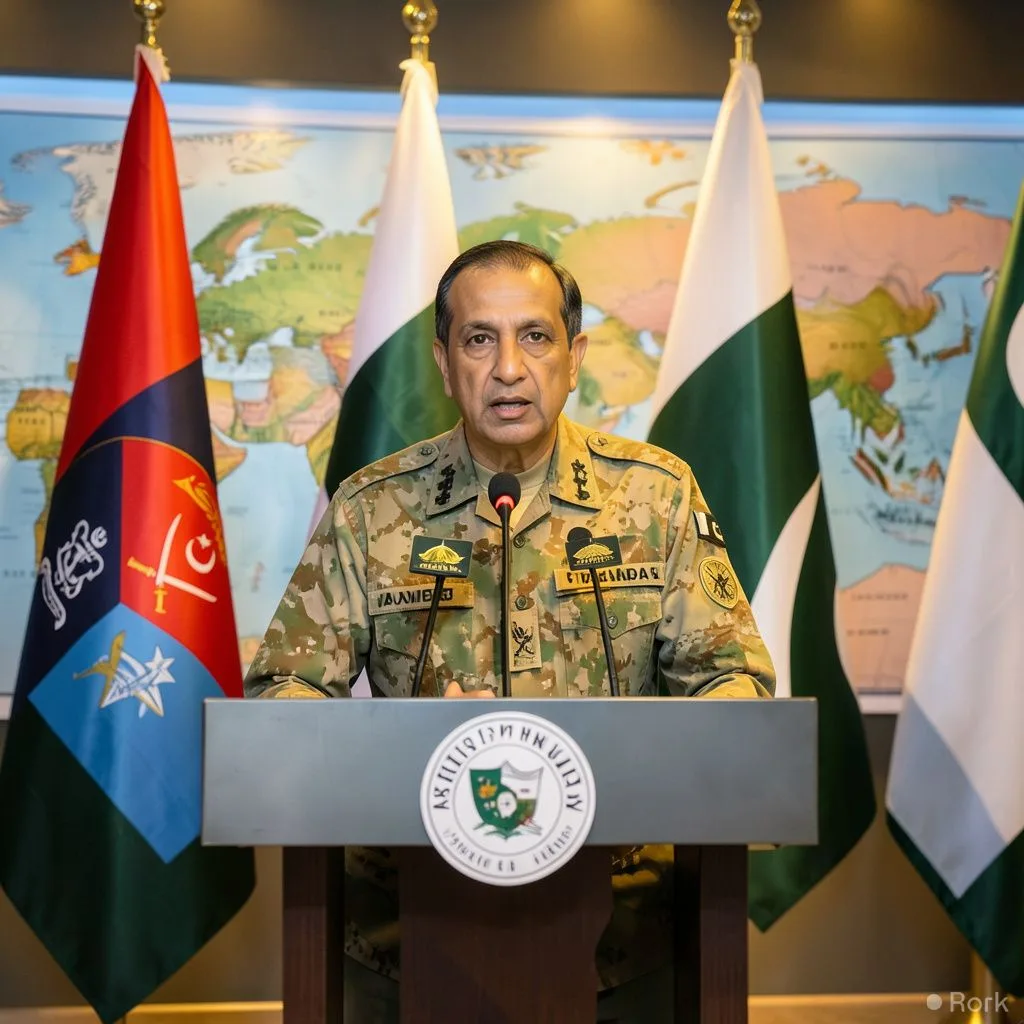
Pakistan’s military public‑relations wing announced that Islamabad will act as an “honest broker” in the escalating Middle‑East dispute, insisting that the forthcoming Makkah Accord will be limited to defensive measures only. The statement, made by the Director General of ISPR, underscored that operational commanders have been handed the task of shaping the pact’s implementation, signalling a hands‑on approach to keep the conflict from spilling further.
Background
The war that erupted between Israel and Hamas in early October has already drawn in regional powers, with air strikes and ground operations threatening to expand beyond the Gaza Strip. In the wake of this widening hostilities, several countries have offered to mediate, but many have been perceived as favoring one side. Pakistan, which has historically maintained close ties with the Muslim world while also preserving a strategic relationship with the United States, positioned itself as a neutral interlocutor.
The concept of a “Makkah Accord” emerged from informal diplomatic talks in Saudi Arabia, where senior officials from the conflicting parties met to explore a cease‑fire framework. While the details remain confidential, Pakistani officials have indicated that the accord is intended to halt offensive actions and protect civilian populations, without endorsing any political solution to the underlying dispute.
ISPR’s Director General, Major General Asim Bajwa, reiterated the army’s stance that Pakistan’s role will be that of a facilitator rather than a participant. He stressed that the military’s involvement is limited to logistical and diplomatic support, leaving the substantive negotiations to civilian ministries and regional allies. This approach mirrors Pakistan’s past mediation efforts, such as the 2001 talks that led to the Islamabad Accord between India and Pakistan on the Kashmir issue.
What it means
For the Pakistani public, the country’s diplomatic engagement could translate into heightened security vigilance along its own borders. A broader Middle‑East conflict risks inflaming sectarian tensions within Pakistan, especially in provinces where extremist groups may attempt to exploit the situation. By keeping the Makkah Accord defensive, Islamabad aims to prevent any spill‑over that could trigger retaliatory attacks on Pakistani soil or embolden local militias.
Economically, stability in the Gulf region is crucial for Pakistan’s remittance inflows, as millions of overseas Pakistanis work in Saudi Arabia, the UAE and Qatar. A widening war could jeopardise the flow of wages and disrupt trade routes for Pakistani exports, particularly textiles and agricultural commodities. By championing a defensive pact, Pakistan hopes to safeguard these economic lifelines and avoid a sudden shock to its balance of payments.
What happens next
The operational commanders tasked with the accord’s rollout will now coordinate with Saudi diplomatic channels, the United Nations and the foreign ministries of the belligerents to draft concrete rules of engagement. Their recommendations are expected to be presented to the National Security Committee within the next two weeks, after which the civilian government will decide on formal endorsement.
If the Makkah Accord gains traction, Pakistan could see its diplomatic profile rise, potentially opening doors for greater involvement in future regional peace initiatives. However, the success of the pact will hinge on the willingness of the warring sides to accept a purely defensive framework, and on Pakistan’s ability to maintain its impartiality amid intense pressure from both regional blocs and domestic opinion.