
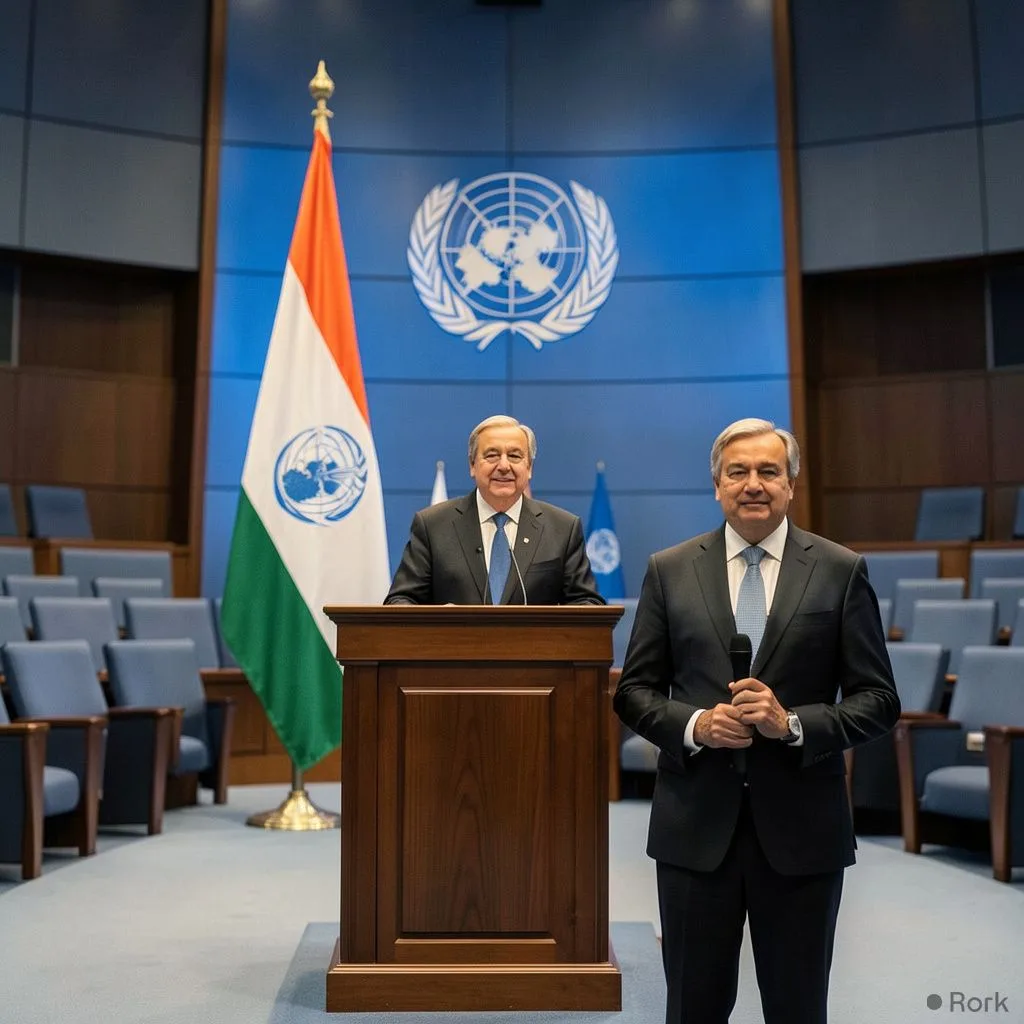
On 6 October 2026, United Nations Secretary‑General António Guterres publicly lauded Pakistan for acting as a trusted intermediary between the United States and Iran, urged Islamabad to help prevent any exploitation of Afghan territory against Pakistan, and highlighted the country’s persistent struggle against terrorism as well as its long‑standing contributions to UN peace‑keeping operations.
Guterres made the comments during a briefing on regional security, noting that Pakistan’s diplomatic channels have repeatedly facilitated back‑channel communications that calm heightened U.S.–Iran tensions over nuclear negotiations and maritime security in the Gulf. By positioning itself as a neutral conduit, Islamabad has helped keep dialogue open when official diplomatic routes have stalled, a role that the UN chief described as “increasingly vital for regional stability.”
The Secretary‑General also warned that any attempt to use Afghan soil as a launchpad for hostile actions against Pakistan would jeopardise the fragile peace in the border region. He called on the Afghan authorities, the Taliban‑led government and the international community to cooperate with Islamabad in securing the frontier, an appeal that aligns with Pakistan’s own demand for a stable, non‑militarised border to protect its north‑western provinces and to facilitate trade routes.
In addressing terrorism, Guterres praised Pakistan’s sustained security operations against militant groups operating both within its borders and across the wider South‑Asian theatre. He underscored that the country’s counter‑terrorism efforts are essential to the UN’s broader fight against violent extremism, especially as the region grapples with the spill‑over effects of the U.S.–Iran confrontation and the protracted Afghan crisis.
Turning to peace‑keeping, the UN chief paid tribute to Pakistan’s record as one of the world’s top troop‑contributing nations. Over the past three decades, Pakistani personnel have served in more than 30 UN missions, with a cumulative deployment of roughly 12 000 troops and police officers on the ground in places such as the Democratic Republic of Congo, Mali, and South Sudan. Guterres highlighted how these forces have earned a reputation for professionalism and reliability, reinforcing Pakistan’s standing in multilateral fora and providing valuable experience for its armed services.
Analysts say the remarks could translate into greater diplomatic leverage for Islamabad in future negotiations, both within the UN system and in bilateral talks with Washington, Tehran, and Kabul. By foregrounding Pakistan’s mediating capacity, the UN chief’s endorsement may encourage other regional actors to seek Islamabad’s assistance in de‑escalation efforts, potentially opening avenues for economic cooperation and confidence‑building measures that benefit the country’s border provinces.
Domestically, Guterres’ praise is likely to be welcomed by the Pakistani government and civil‑society groups that view the nation’s foreign‑policy orientation as increasingly proactive. The acknowledgment of Pakistan’s peace‑keeping legacy also reinforces the narrative that the armed forces play a constructive role on the global stage, an aspect that can bolster public support for continued contributions to UN missions.
Overall, the UN Secretary‑General’s statements underscore Pakistan’s expanding diplomatic footprint in a volatile neighbourhood, while simultaneously urging the country to remain vigilant against security threats emanating from across its western frontier. The combined focus on mediation, border stability, counter‑terrorism, and peace‑keeping reflects a holistic appreciation of Pakistan’s multifaceted role in fostering regional and international peace.