
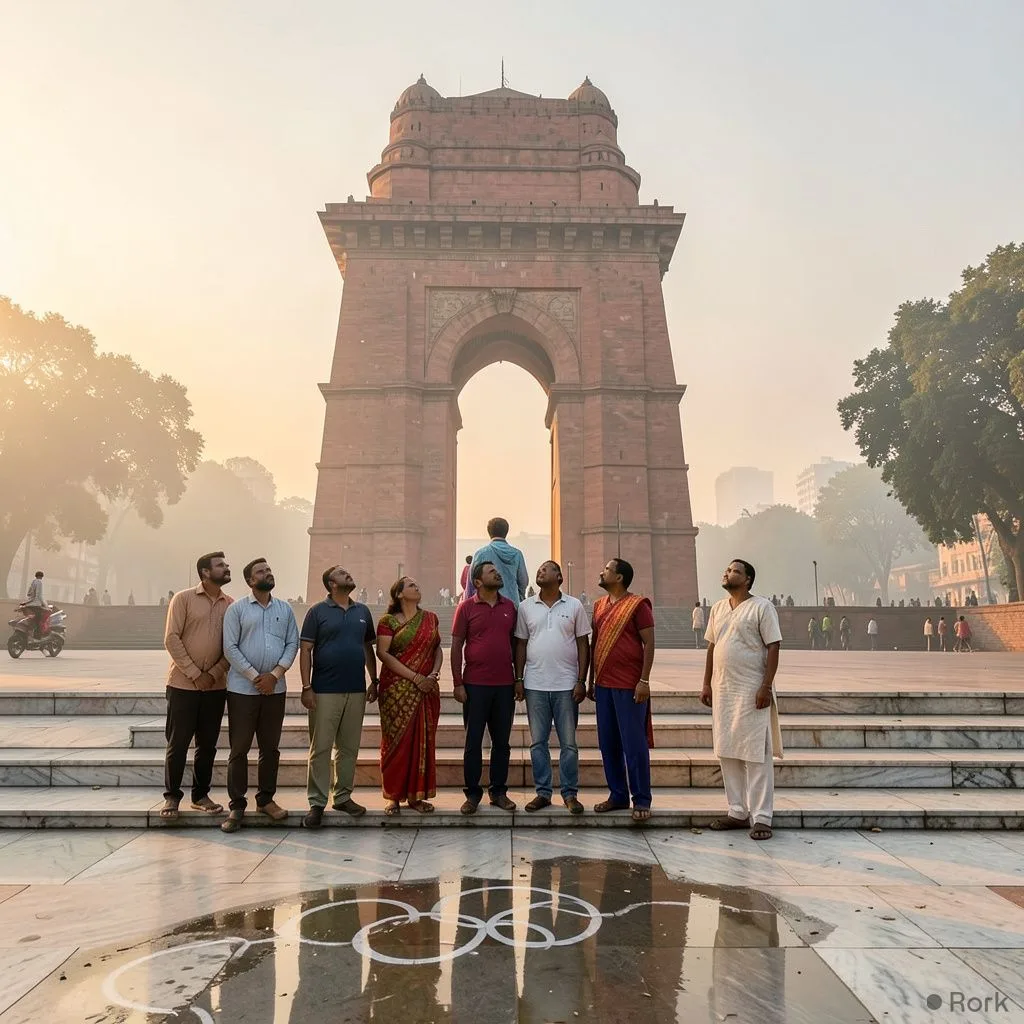
India’s sports ministry has been rattling the drums for a 2036 Olympic Games host‑city bid, envisioning gleaming stadiums and global spotlight for the sub‑continent. Yet, as the country prepares its promotional dossier, a stark reminder from the United Nations Development Programme has shifted the conversation from triumph to scrutiny.
The UNDP’s 2025 Human Development Report places India at 130th out of 193 nations, a ranking that starkly contrasts with the optimism surrounding the Olympic proposal. Policymakers are now being asked whether a multi‑billion‑dollar sporting extravaganza should take precedence over pressing domestic challenges such as deteriorating air quality, inadequate sanitation, and entrenched poverty.
The report underlines persistent gaps in health outcomes, educational attainment and per‑capita income that affect millions across the nation. Air‑pollution hotspots in Delhi and other major cities continue to exceed safe limits, while rural households still lack reliable access to clean drinking water and proper waste disposal. These indicators suggest that the socioeconomic fabric remains fragile even as India eyes a grand international showcase.
Critics argue that the massive public funds earmarked for Olympic venues could be redirected toward strengthening primary health centres, upgrading school infrastructure, and expanding social safety nets. They point out that previous mega‑events have often left host cities with “white‑elephant” stadiums and debt burdens, raising doubts about the long‑term return on investment for a country still grappling with basic‑needs deficits.
For Pakistan, India’s bid carries both competitive and collaborative implications. The prospect of a neighbouring mega‑event may divert regional sponsorships and tourism dollars that could otherwise benefit Pakistani sports initiatives, such as the upcoming Lahore Commonwealth Games preparations. At the same time, the heightened focus on sports infrastructure could spur cross‑border collaborations in training, technology transfer, and climate‑friendly stadium design—areas where Pakistan is eager to learn and contribute.
As the International Olympic Committee’s decision‑making timeline approaches, Indian officials are expected to balance the allure of global prestige with the UNDP’s sobering human‑development snapshot, while regional observers watch closely to see how emerging economies reconcile ambition with the wellbeing of their citizens.