
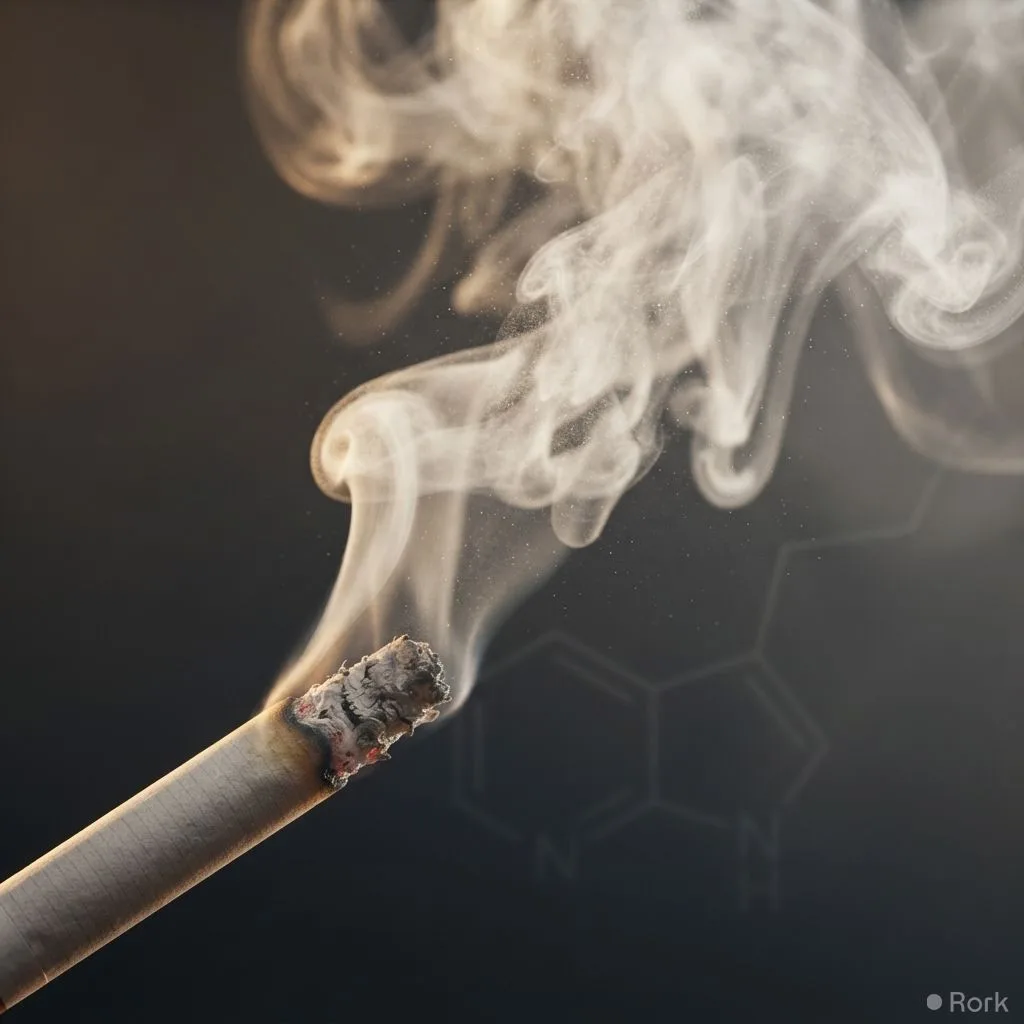
Smoke, not nicotine, accounts for the overwhelming majority of health damage caused by cigarettes.
The distinction between nicotine—the addictive ingredient that keeps smokers reaching for the next puff—and the toxic cocktail of chemicals released when tobacco burns was first articulated by British researcher Michael Russell in 1976. Russell’s “nicotine‑hypothesis” argued that nicotine itself is relatively harmless compared with the thousands of carcinogens, irritants and carbon monoxide particles in cigarette smoke. Modern epidemiology has repeatedly confirmed his claim: diseases such as lung cancer, chronic obstructive pulmonary disease (COPD) and cardiovascular events are driven largely by inhaled combustion products, not by nicotine alone.
In Pakistan, where nearly 20 percent of adults smoke tobacco and the prevalence is higher among men, this nuance has profound policy implications. The country's health system already bears a heavy burden from smoking‑related illnesses, accounting for an estimated 100,000 deaths annually. Public‑health campaigns that focus solely on nicotine addiction may overlook the critical need to eliminate exposure to the smoke itself, whether through stricter regulation of cigarettes, promotion of smoke‑free environments, or encouragement of complete cessation rather than mere nicotine substitution.
The insight also reshapes harm‑reduction strategies. While nicotine‑replacement therapies (NRTs) such as patches, gums and lozenges are effective at easing withdrawal, they deliver nicotine without the harmful smoke, thereby reducing the risk of disease. However, the rise of heated‑tobacco products and e‑cigarettes has sparked debate: they dispense nicotine without combustion, but the long‑term health effects of the aerosol they produce remain uncertain. In a Pakistani context, where regulatory frameworks for these newer devices are still evolving, emphasizing the danger of smoke can help guide balanced legislation that protects public health without inadvertently endorsing unproven alternatives.
Health educators and clinicians are urged to recalibrate their messaging. Instead of portraying nicotine as the primary villain, they should highlight that the true enemy is the smoke’s toxic mix, reinforcing that quitting smoking altogether—or switching to medically supervised nicotine delivery without combustion—is the most effective path to lower disease risk. By anchoring cessation advice in this scientifically backed perspective, Pakistan can better align its anti‑smoking initiatives with global evidence and move toward reducing the staggering toll of tobacco‑related morbidity and mortality.