
Investors have warned they will only back the privatisation of distribution companies if tariff rules are stabilised within the next 12 months.
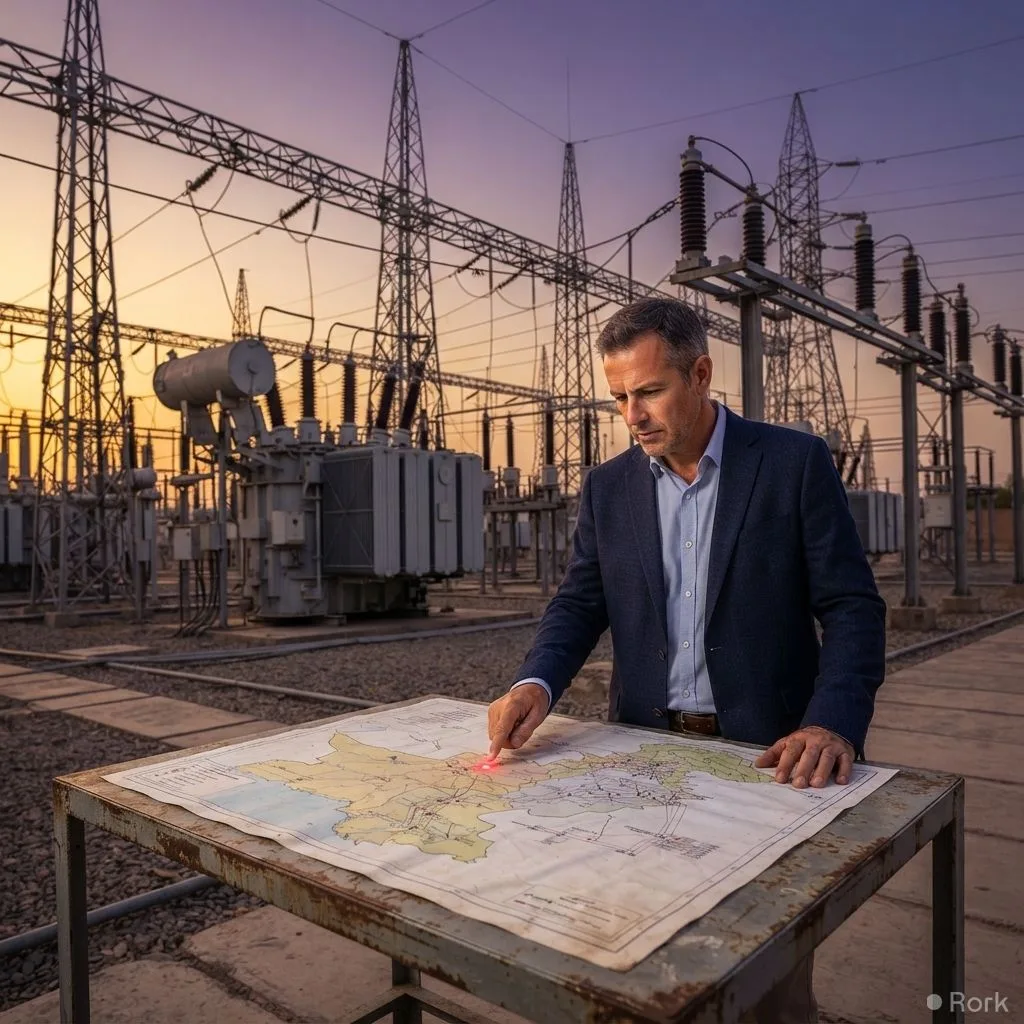
Pakistan’s power sector is at a crossroads. Chronic load‑shedding, ageing transmission lines and chronic under‑investment have left the nation scrambling to meet a growing demand that now exceeds 180 GW. The government’s plan to sell stakes in the six provincial DISCOs is intended to inject fresh capital, but analysts say the move will repeat past mistakes unless the investment climate is overhauled first.
The chief obstacle, according to energy experts, is an unpredictable regulatory framework. Over the last decade, tariff revisions have been announced and then rescinded, approval processes for new projects have been delayed by months, and policy directives have shifted with each change of government. Such volatility has eroded confidence among both local financiers and foreign investors, who fear that returns could be wiped out by sudden price caps or unexpected duty hikes.
A coherent set of reforms is therefore essential. Stakeholders are calling for a transparent, long‑term tariff formula that balances the need for affordable electricity with realistic cost recovery for distributors. Streamlining the licensing pipeline, granting clear land‑acquisition rules and establishing an independent arbitration body for disputes would also reduce bureaucratic drag and signal commitment to the market.
If these measures are put in place, the private sector could mobilise the estimated $30 billion required to modernise the distribution network, replace obsolete substations and introduce smart‑grid technologies. The payoff would be far‑reaching: industrial parks could operate without costly interruptions, households would enjoy more reliable lighting, and the broader economy would benefit from lower production costs and heightened export competitiveness. Conversely, without a stable policy environment, the privatisation drive risks becoming another stalled initiative, leaving Pakistan’s power woes unresolved.