
Key points:
- Updated assessments put Pakistan’s recoverable oil and gas reserves at levels that could support domestic production for roughly 19 years.
- The upward revision reflects new discoveries and revised estimates in major basins such as the Sui, Khaur and Upper Indus.
- A longer reserve horizon is expected to bolster energy security and curb the country’s reliance on costly imports.
- Experts warn that the extended timeline must be matched with prudent resource management and diversification of the energy mix.
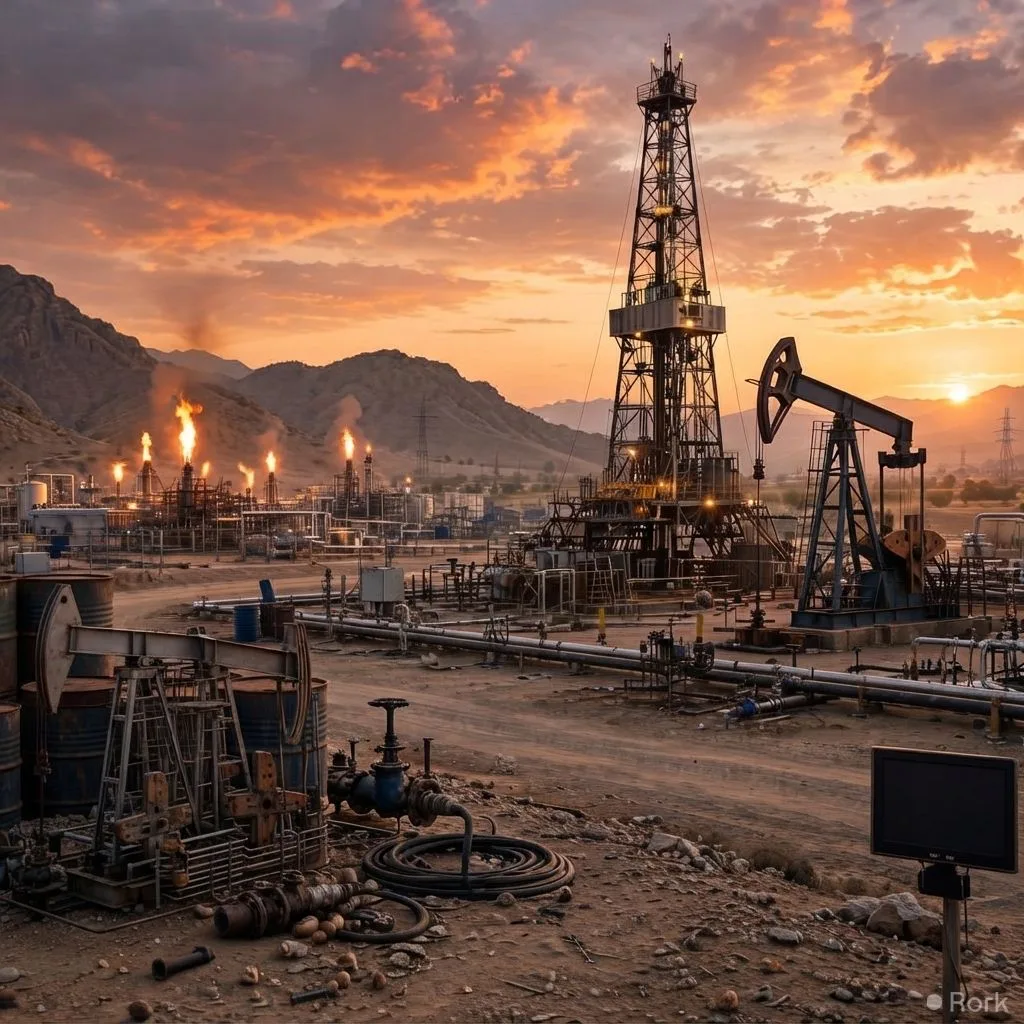
The latest hydrocarbon appraisal released by the Ministry of Energy, in collaboration with the Pakistan Petroleum Exploration and Production Company (PPEPC), shows a marked increase in the nation’s recoverable oil and gas volumes. Compared with the 2022 figures, which projected a reserve life of about 12 years, the new estimate adds nearly seven years, pushing the potential lifespan of indigenous production to close to two decades. This shift is largely driven by successful appraisal of fields in the Potwar Plateau and renewed drilling activity in the Sindh Basin, where several previously under‑explored formations have now been confirmed to contain commercially viable quantities of hydrocarbons.
For Pakistan’s power sector, the extension offers a valuable cushion against the volatility of international oil and gas markets. With imported liquefied natural gas (LNG) accounting for more than 30 percent of the country’s total gas consumption, a longer domestic supply window could translate into lower electricity tariffs and reduced pressure on the balance of payments. Industrial users—particularly the cement, fertilizer and textile manufacturers that are heavily dependent on natural gas—stand to benefit from a steadier feedstock base, potentially enhancing competitiveness in regional markets.
Policy‑makers are expected to leverage the revised data to attract fresh private‑sector investment in upstream exploration and downstream processing. The government has already signaled intent to streamline licensing procedures and offer fiscal incentives for both local and foreign firms willing to fund new drilling campaigns or upgrade existing infrastructure. By creating a more attractive investment climate, authorities hope to accelerate the development of untapped reserves and spur ancillary industries such as petrochemical complexes, which could generate jobs and diversify export earnings.
Nonetheless, analysts caution that simply having a longer reserve horizon does not guarantee long‑term energy stability. Sustainable extraction practices, robust regulatory oversight, and a strategic shift toward renewable sources remain essential to avoid over‑reliance on fossil fuels. Experts also point out that global decarbonisation trends could affect the profitability of new oil and gas projects, underscoring the need for Pakistan to balance hydrocarbon development with aggressive diversification into solar, wind and hydroelectric power.