
Key points
- Four of Pakistan’s largest oil refineries – ARL, NRL, Cnergyico and PRL – have signed modernisation contracts valued at roughly $6 billion.
- The upgrades are projected to trim the nation’s foreign‑exchange outflow by about $1.5 billion each year.
- Refurbishment will raise processing efficiency and lessen dependence on imported fuel additives.
- PARCO is slated to sign a similar agreement shortly, completing a coordinated revamp of the country’s refining sector.
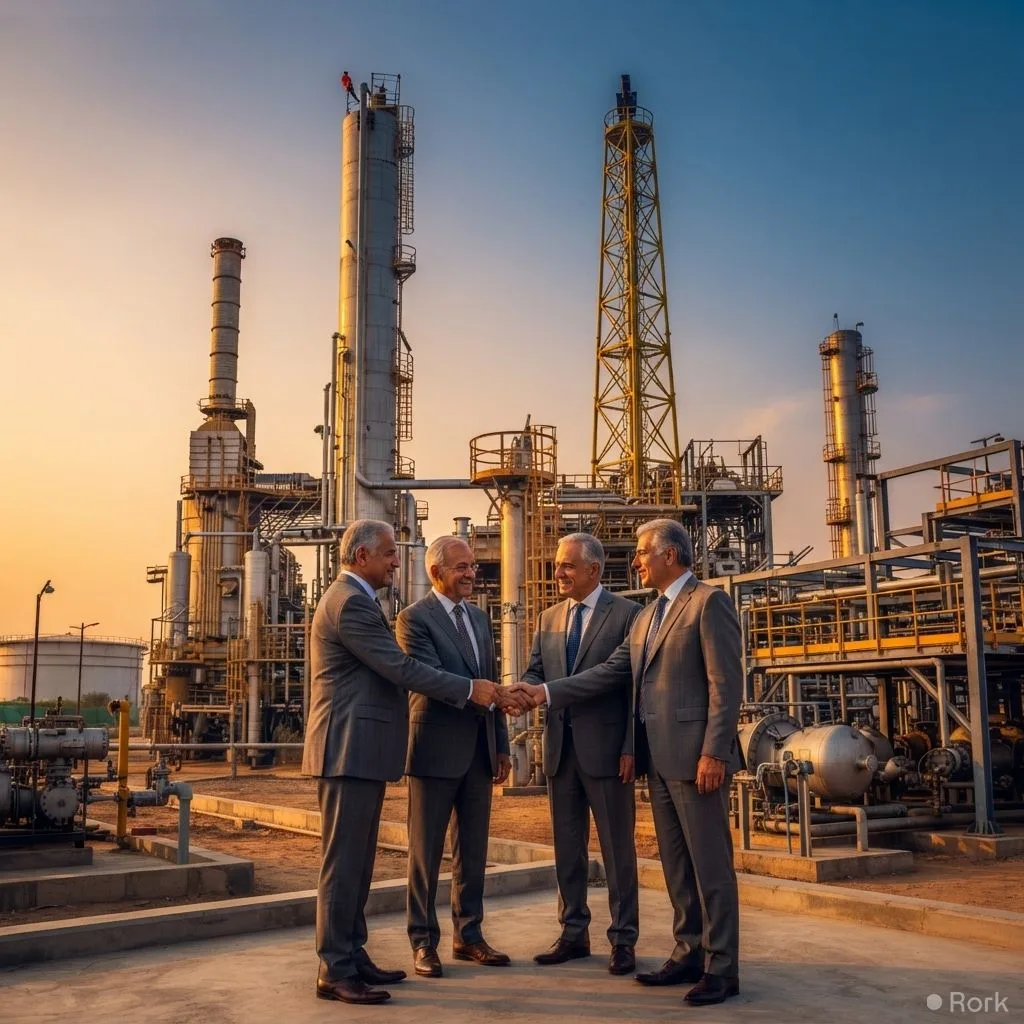
Four flagship refineries in Pakistan have finally concluded long‑postponed modernisation deals worth an estimated $6 billion. The agreements, signed this week, cover the Attock Refinery Limited (ARL), National Refinery Limited (NRL), Cnergyico Pakistan Limited and Pak Refineries Limited (PRL). The contracts call for the installation of advanced distillation units, catalyst systems and digital control technologies that will bring the plants up to global standards.
Analysts calculate that the heightened efficiency and the reduced need for imported blending components could shave roughly $1.5 billion off Pakistan’s annual foreign‑exchange bill. By producing more of the country’s gasoline, diesel and jet fuel domestically, the upgrades are expected to ease pressure on the balance of payments and help stabilise retail pump prices, a chronic pain point for both households and the logistics sector.
The move arrives at a critical juncture for the Pakistani economy, which has been grappling with persistent FX shortages and volatile fuel import costs. Earlier attempts to modernise the refining infrastructure stalled due to fiscal constraints and policy uncertainty, leaving the nation heavily reliant on imported refined products. The new investments signal a shift toward greater energy self‑sufficiency and are likely to be welcomed by the Ministry of Energy and the State Bank, which have been urging the industry to curb import dependence.
While the four agreements have been sealed, the programme is not yet complete. Pakistan Refinery Limited (PARCO) is expected to sign a similar upgrade contract within weeks, which would bring the modernisation drive to cover the entire domestic refining capacity. Implementation is slated to begin in the next quarter, with commissioning phases stretching over the next three to five years. Stakeholders acknowledge that successful execution will depend on timely access to foreign‑exchange for equipment imports, skilled labour training and coordination with the Ministry of Commerce to streamline customs procedures. If these hurdles are cleared, the sector could see a lasting boost in competitiveness and a more resilient supply chain for the nation’s energy needs.