
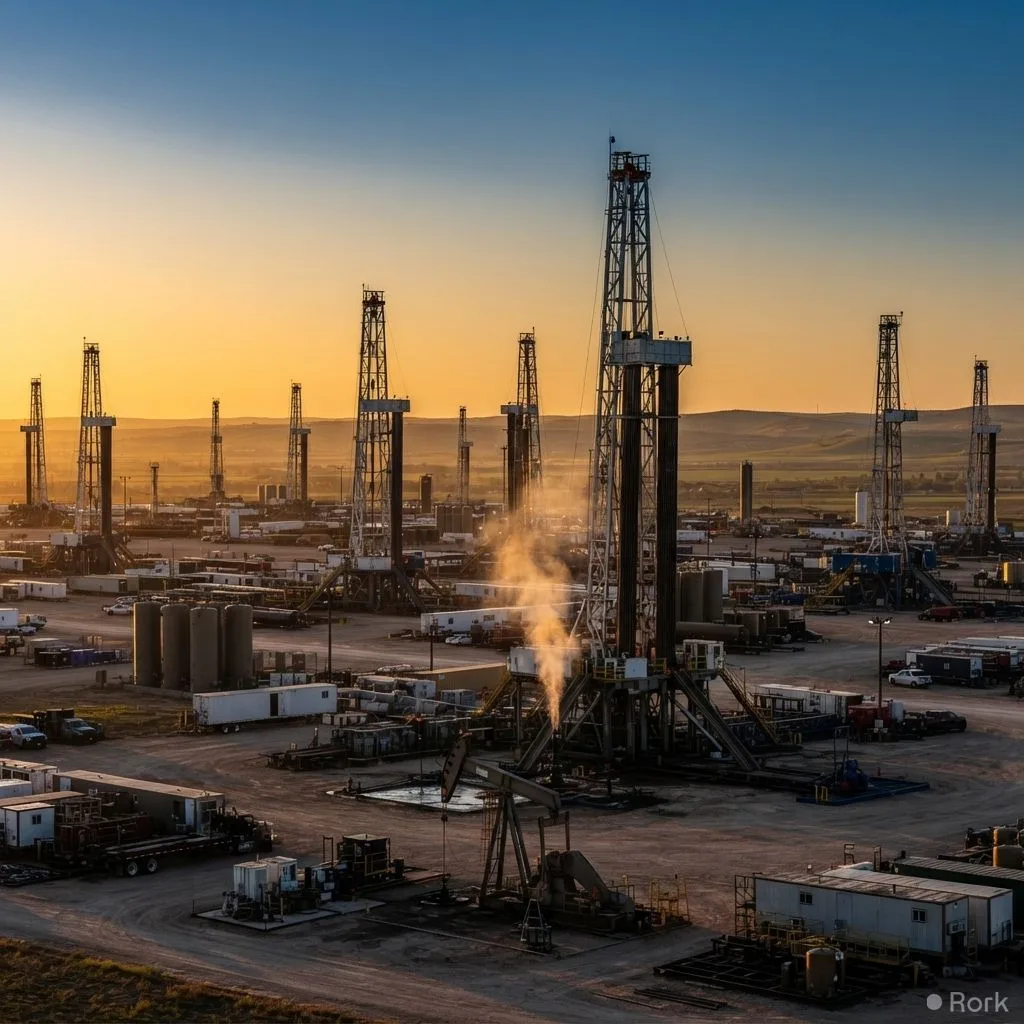
Pakistan’s hydrocarbon sector has received a fresh boost after recent oil and gas discoveries added enough proven reserves to keep domestic oil production flowing for roughly eleven years. The new finds also push the country’s overall reserve‑to‑production horizon to about seventeen years, according to the latest industry data.
Background
For the past decade, Pakistan has struggled with a widening trade deficit driven largely by the import of crude oil and refined products. Government‑led incentive packages, such as the 2019 Exploration and Production (E&P) policy and the 2022 fiscal incentives for deep‑water drilling, were introduced to entice both local and international companies to explore under‑explored basins like the Kohat, Sulaiman, and Indus.
These policy shifts, combined with advances in seismic imaging and the entry of new service firms, spurred a modest uptick in exploratory drilling. Earlier this year, the Oil and Gas Development Company Limited (OGDCL) and a consortium led by a Chinese state‑owned enterprise reported sizable hydrocarbon shows in the southern Sindh basin, but the exact volumes were not disclosed.
The most recent data compilation, released by the Ministry of Energy in conjunction with the Petroleum Exploration and Production Department (PEPD), aggregates these discoveries and confirms that the newly proven oil reserves will be sufficient to sustain production for up to eleven years. When added to existing gas reserves, the cumulative hydrocarbon base now translates into an estimated seventeen‑year reserve life at current consumption rates.
What it means
Reduced import pressure. Pakistan imports roughly 70 % of its oil needs, a figure that translates into billions of dollars flowing out of the economy each year. Extending the life of domestically produced oil by a decade can shave a noticeable portion off that import bill, easing pressure on the current account and freeing foreign exchange for other development priorities.
Greater investment confidence. A longer reserve horizon signals to investors that the country’s upstream sector is moving beyond the “high‑risk, low‑reward” perception that has historically deterred large‑scale capital inflows. This could catalyse new exploration contracts, joint‑venture agreements, and financing arrangements, especially from sovereign wealth funds and multilateral lenders eyeing the region’s energy transition.
Implications for energy pricing and security. With a more predictable supply stream, the government may gain leverage in negotiating refinery margins and retail fuel prices, potentially curbing the volatility that often spikes inflation. Moreover, a steadier domestic output helps safeguard electricity generation that relies on oil‑based plants, reducing the likelihood of load‑shedding during supply disruptions.
Impact on downstream industries. Petrochemical complexes, transport fleets, and agricultural sectors that depend on affordable petroleum products could see cost savings, which may translate into lower prices for plastics, fertilizers, and logistics services—key components of Pakistan’s industrial ecosystem.
What happens next
The government has indicated that it will fast‑track the appraisal phase of the newly discovered fields, aiming to move from discovery to production within the next 24‑30 months. This will require securing drilling rigs, finalising land‑lease agreements, and ensuring that pipeline infrastructure can accommodate increased output, especially in the southern corridor where bottlenecks have historically limited export potential.
Meanwhile, policymakers are expected to revisit the fiscal terms governing upstream activities, balancing the need to attract further private investment with the objective of maximizing fiscal returns for the state. Stakeholders across the value chain—from exploration firms to downstream distributors—are closely monitoring these negotiations, as the final framework will shape the scale and speed of future development.
If the projected timelines are met, Pakistan could begin to see a measurable reduction in oil imports by the mid‑2020s, reinforcing its energy security agenda while providing a stronger foundation for broader economic growth.