
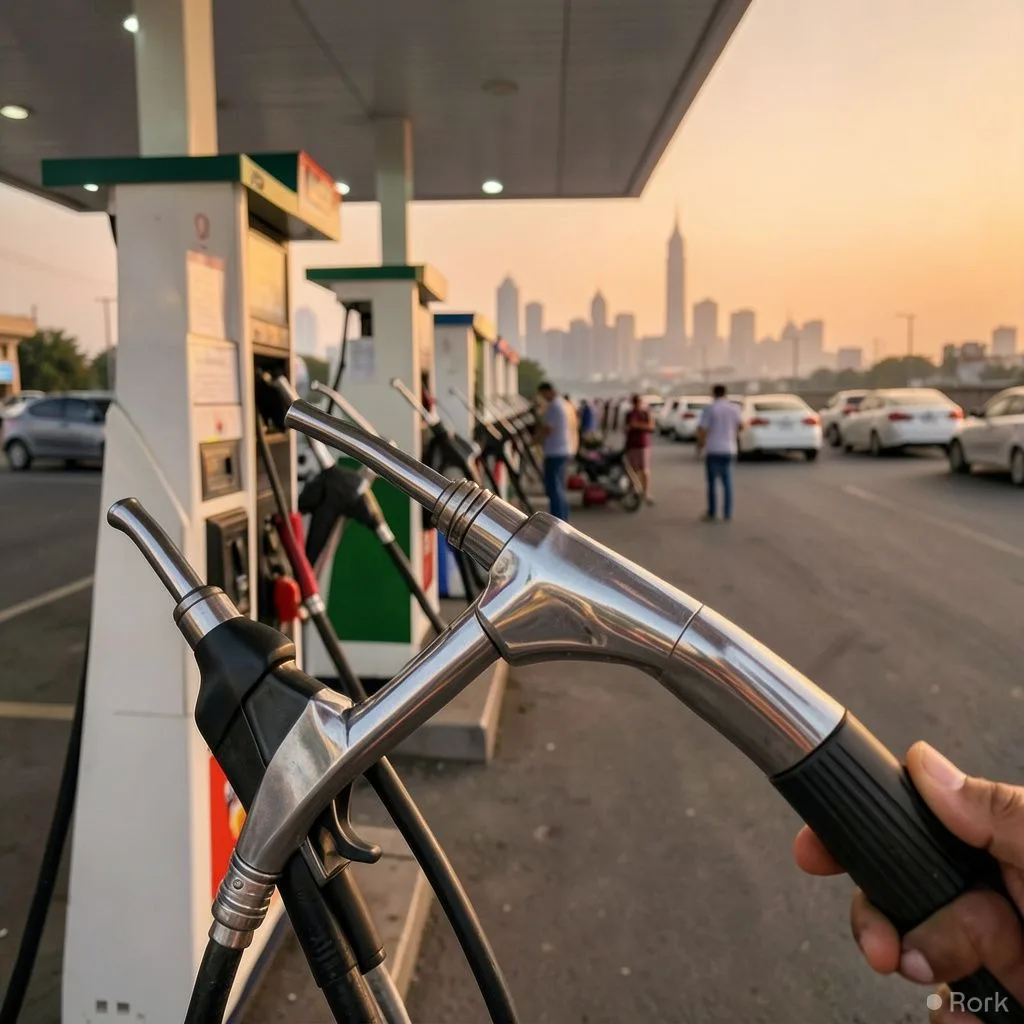
Rising crude oil prices have already squeezed household budgets across the sub‑continent, and Pakistan is watching the market closely as it struggles to keep inflation in check. Recent volatility in the international oil market has prompted analysts to run scenarios that could spell a dramatic jump in local fuel costs.
A fresh estimate from an energy‑market consultancy warns that if Brent crude climbs to US$200 a barrel and the government complies with the International Monetary Fund’s demand to withdraw fuel subsidies, petrol in Pakistan could breach the Rs1,000‑per‑litre threshold. The figure is not an official tariff but a projection based on current price trajectories and the likely policy shift under the IMF‑backed reform programme.
The projection rests on two pivotal variables. First, global oil prices have been trending upward amid supply constraints, geopolitical tensions and the resurgence of demand in major economies. Should the $200 mark be reached, the cost of imported crude – which makes up more than 80 % of Pakistan’s oil basket – would translate into a steep rise in the landed cost of gasoline. Second, the IMF has repeatedly flagged Pakistan’s fuel subsidies as fiscally unsustainable, urging the authorities to phase them out as a condition for continued financial assistance.
If both conditions materialise, the impact on everyday commuters would be immediate. A litre priced above Rs1,000 would push the price of a typical city‑to‑city trip up by 30‑40 %, eroding disposable income for millions of workers who already spend a sizable share of their earnings on transport. Small businesses that rely on road freight would see logistics expenses swell, feeding higher prices for food and consumer goods and further stoking inflationary pressures.
Policy‑makers, however, retain some levers to soften the blow. The government could explore targeted cash‑transfer schemes, adjust the timing of subsidy removal, or tap strategic petroleum reserves to buffer short‑term price spikes. Moreover, accelerating the shift to alternative energy sources and improving public‑transport efficiency could mitigate long‑term demand for costly imported gasoline.
Stakeholders are therefore urged to keep a close watch on global oil trends and the IMF’s implementation schedule. While the Rs1,000‑per‑litre scenario remains speculative, its possibility underscores the fragile balance between external price shocks and domestic fiscal reforms that Pakistan must navigate in the months ahead.