
Pakistan’s solar market is buzzing with anticipation as the country prepares for its biggest renewable‑energy gathering of the year. After a series of power shortages and soaring electricity tariffs, policymakers, investors and industry leaders are converging on Karachi to chart a cleaner, more resilient energy future.
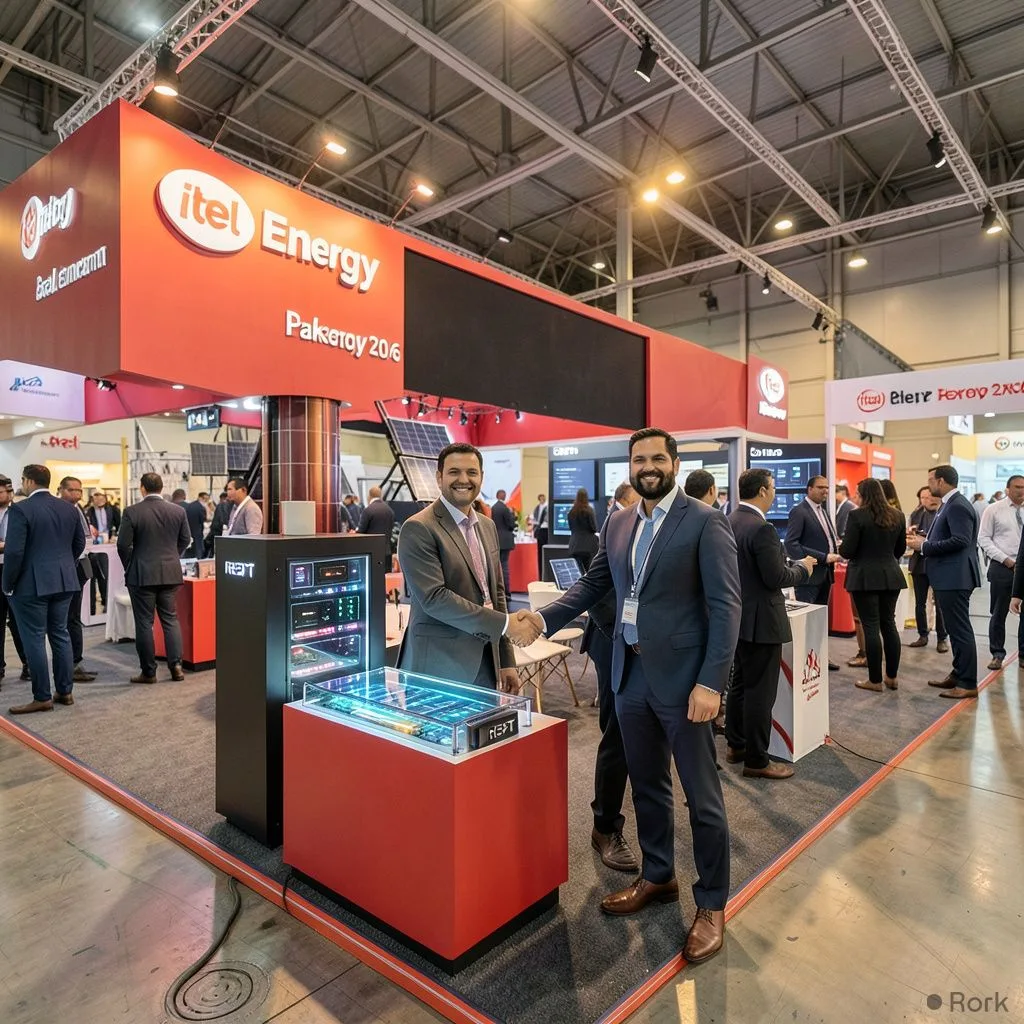
Against this backdrop, itel Energy has announced that it will showcase its next‑generation Gen‑2 battery system at the 22nd Solar Pakistan Expo, held from 9 to 11 October at the Expo Centre Karachi. The company, a home‑grown specialist in grid‑scale energy storage, will appear as a Diamond Sponsor and will use the platform to unveil a strategic partnership with REPT, a technology firm focused on real‑time energy performance tracking.
The Gen‑2 battery is touted as a leap forward in both capacity and charging speed. Built on a modular lithium‑ion architecture, the system can be scaled from 5 MWh for community micro‑grids up to 200 MWh for utility‑level installations, while delivering a 30 % reduction in charge‑discharge cycle time compared with earlier models. Its enhanced thermal management and advanced battery‑management software are designed to prolong lifespan and lower operating costs, addressing two of the biggest hurdles that have traditionally deterred large‑scale solar deployment in Pakistan.
REPT’s involvement brings a data‑centric layer to the offering. The partnership will integrate REPT’s cloud‑based analytics platform, which provides real‑time monitoring of battery health, state‑of‑charge, and grid interaction. By delivering predictive insights, the combined solution aims to smooth the intermittency inherent to solar generation, allowing utilities to rely more heavily on renewable input without compromising grid stability. Industry analysts see this as a crucial step toward meeting the government’s target of sourcing at least 30 % of electricity from renewables by 2030 and reducing the country’s dependence on costly imported fuels.
Stakeholders at the expo will have a front‑row view of how higher‑capacity, faster‑charging storage can unlock larger solar farms across the Punjab, Sindh and Khyber Pakhtunkhwa provinces. If adopted widely, the technology could lower tariffs for households, improve energy security for industrial zones, and attract fresh foreign investment into Pakistan’s clean‑energy ecosystem. Itel Energy’s presence, bolstered by the REPT partnership, therefore signals not just a product launch but a tangible stride toward a more sustainable and self‑sufficient power sector.