
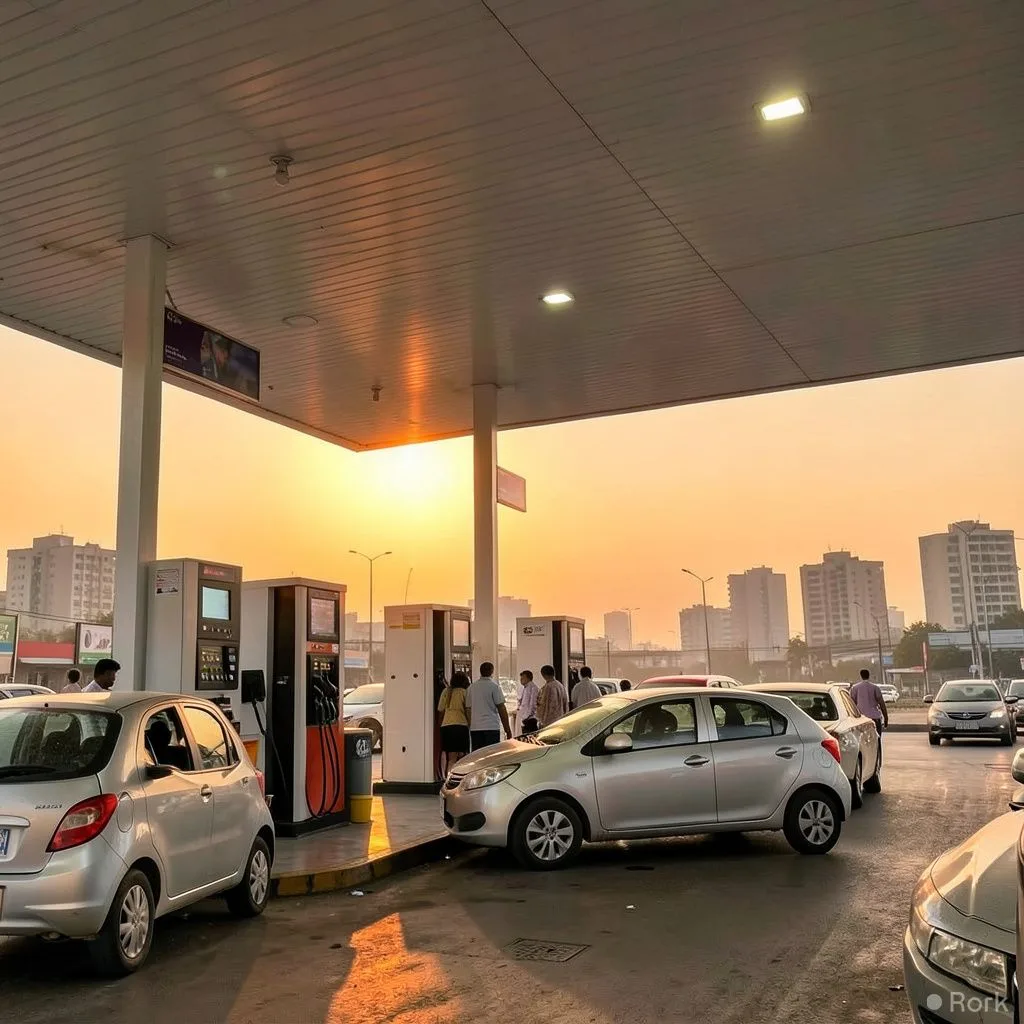
Petrol’s retail price has been raised by Rs 1.82 per litre to Rs 396.65, while the cost of high‑speed diesel (HSD) has been cut by Rs 0.91, settling at Rs 394.94 per litre, the federal government announced on Saturday. The adjustments will take effect at fuel stations nationwide from tomorrow, as authorities keep a close watch on supply tensions in the Middle East that are reverberating through global oil markets.
The price revision was decided by the Ministry of Energy after a review of international crude‑oil trends and the latest supply outlook from the Gulf region. Analysts say the modest increase in petrol reflects a precautionary response to possible disruptions in shipments from Saudi Arabia and the United Arab Emirates, whose output has been under pressure due to geopolitical friction. By contrast, the cut to diesel is intended to cushion the transport sector, which relies heavily on HSD for trucks, buses and agricultural machinery.
Domestic fuel prices have been volatile over the past year, with previous petrol rates hovering around Rs 394.80 per litre before this latest hike. The government’s dual‑track approach—raising gasoline while easing diesel—aims to balance fiscal considerations with the need to protect key economic activities. Lower diesel costs are expected to ease the burden on logistics companies and public transport operators, whose operating expenses have been rising sharply amid inflation.
Economists note that any upward move in petrol prices can feed into broader consumer‑price inflation, especially for households that depend on private vehicles. However, the modest scale of the increase—just under half a percent—should limit its impact on overall living costs. The reduction in diesel, on the other hand, may help keep the cost of goods transportation relatively stable, mitigating potential pass‑through to food and essential commodities.
The move also signals the government’s willingness to intervene swiftly when external shocks threaten domestic energy stability. While the Middle East supply concerns remain fluid, officials have indicated that they will continue to monitor the situation and adjust rates as needed to protect both consumers and the economy from excessive price swings.