
What happened?
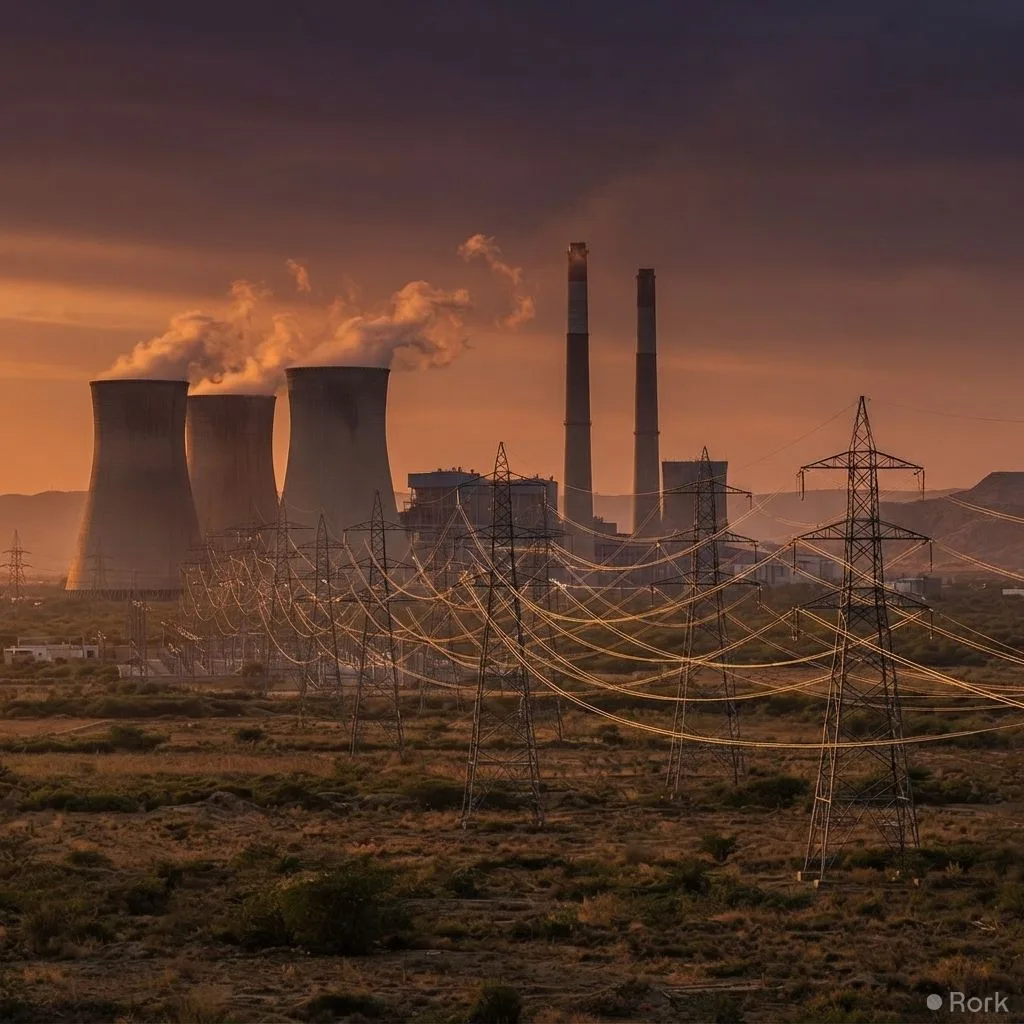
Pakistan’s power grid is now facing a shortfall of more than 4,000 MW after several thermal power stations were forced offline and hydropower output fell sharply. The deficit has pushed utilities to expand load‑shedding schedules nationwide, with rolling outages affecting residential and commercial consumers.
Why does it matter?
The gap in generation comes at a time when electricity demand is already rising due to hotter weather and increased industrial activity. A shortage of this magnitude strains the national grid, raises the risk of unplanned blackouts, and threatens the reliability of essential services such as hospitals, schools, and water supply systems across all provinces.
What’s next?
Energy officials have urged immediate conservation, asking households to limit non‑essential use and businesses to prioritize critical operations. At the same time, the Ministry of Energy is fast‑tracking repairs on the offline plants, negotiating additional LNG imports, and exploring quick‑start renewable projects to narrow the deficit before the peak summer load hits in November. Consumers are advised to stay updated on scheduled outages posted by their local distribution companies.