
Key points:
- Shaheen Energy (Pvt) Limited and China’s Anton Oilfield Services Group have signed an MoU to study gas‑related investments valued at roughly Rs 20 billion.
- The partnership will focus on feasibility assessments, financing structures and possible joint‑venture models for new gas projects in Pakistan.
- The deal aligns with Islamabad’s push to attract foreign capital for energy infrastructure and to reduce the country’s reliance on imported fuel.
- If realised, the venture could generate a sizable number of jobs across exploration, construction and operations, bolstering local supply chains.
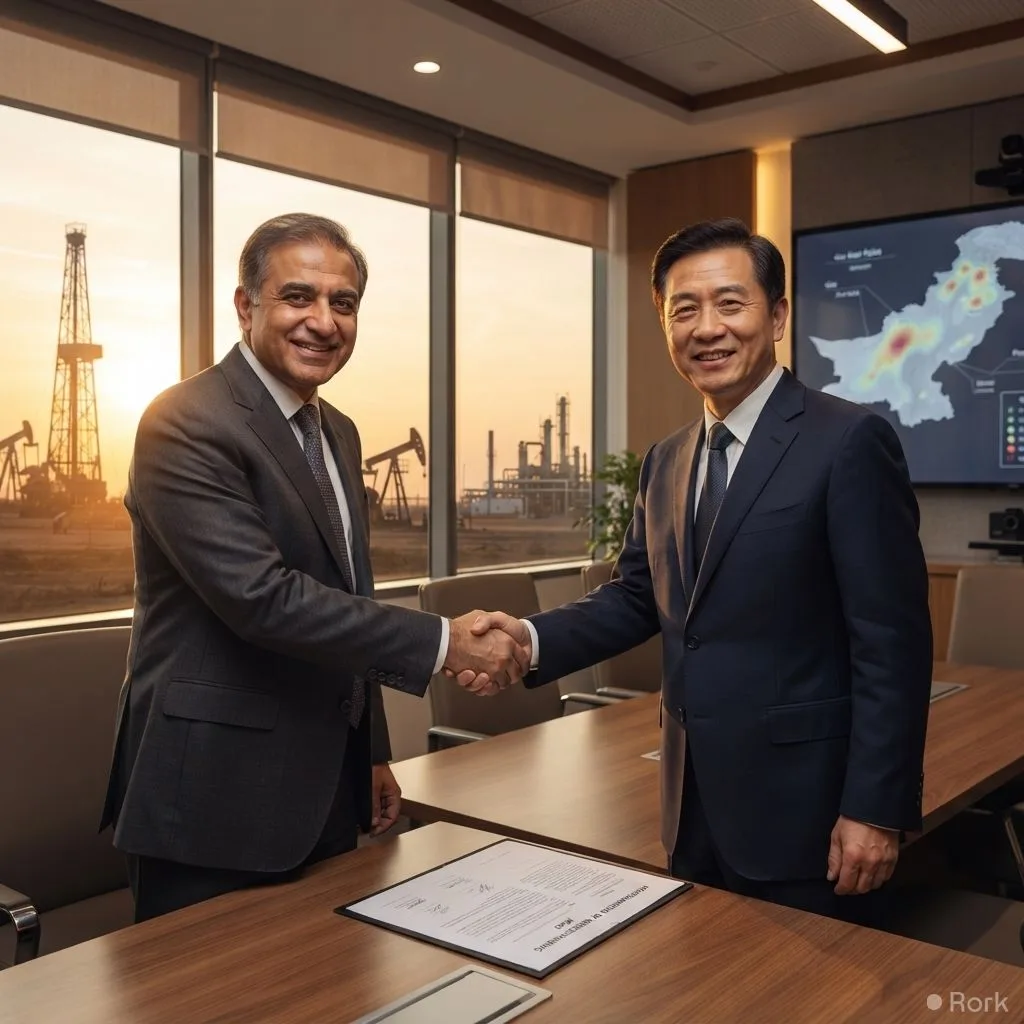
Shaheen Energy, a home‑grown player in the upstream sector, and Anton Oilfield Services, a Chinese firm with extensive experience in drilling and field services, formalised their collaboration through a Memorandum of Understanding signed this week. The agreement sets out a framework for both parties to conduct joint technical and commercial studies that will identify viable gas development opportunities across Pakistan’s basins, with a combined investment ceiling of about Rs 20 billion (approximately US $115 million).
The MoU comes at a time when Pakistan’s energy mix is under pressure: domestic gas production has struggled to keep pace with rising demand, prompting higher imports of liquefied natural gas and costly power‑generation subsidies. By courting overseas expertise and financing, the government hopes to revitalize its gas fields, enhance supply security, and curb the fiscal drain caused by fuel imports. Successful execution of the planned studies could pave the way for new pipelines, processing facilities, and ancillary services that would benefit local contractors and engineering firms.
Both companies have indicated that the next few months will be dedicated to detailed feasibility work, including reservoir assessments, cost‑benefit analyses and the identification of potential financing partners. Should the studies confirm commercial viability, they intend to move swiftly toward project sanctioning and construction, with an eye on creating employment opportunities for Pakistani engineers, technicians and skilled laborers.
The partnership underscores a broader strategic shift in Islamabad’s energy policy, which increasingly looks beyond traditional partners to tap Chinese technical know‑how and capital. If the envisaged investments materialise, they could form a cornerstone of the country’s long‑term plan to achieve a more self‑sufficient and resilient gas supply, while also delivering economic spin‑offs in regions where new fields are developed.