
Key points
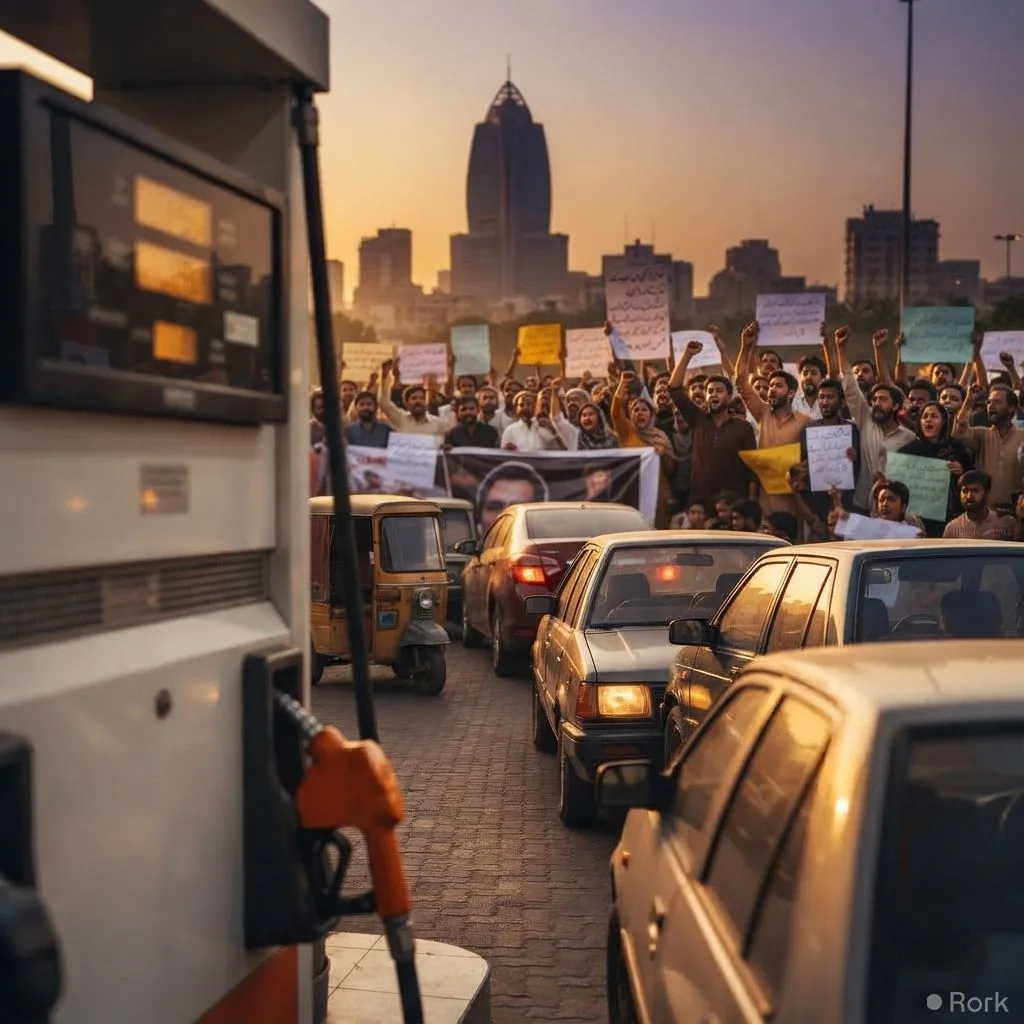
- Jamaat‑e‑Islami’s national protest drive is being credited by its Emir, Hafiz Naeemur Rehman, with forcing the government to act on fuel prices.
- The party claims that without the rallies, petrol could have risen to Rs 500‑600 per litre.
- Islamabad has introduced temporary relief measures, including a reduction in the petroleum levy and a delay in customs duty hikes, to curb the surge.
- The price of fuel remains a critical pressure point for commuters, transport operators and small‑business owners amid soaring global oil costs and persistent inflation.
Hafiz Naeemur Rehman addressed reporters in Karachi, asserting that the widespread demonstrations organised by Jamaat‑e‑Islami over the past fortnight played a decisive role in prompting the federal government to intervene before petrol prices could sky‑rocket. He warned that, in the absence of public pressure, the cost per litre could have touched Rs 500 to Rs 600, a level he described as “unaffordable for the average Pakistani.”
The government, acknowledging the mounting public outcry, announced a package of short‑term measures aimed at tempering fuel inflation. These include a temporary cut to the petroleum levy, a postponement of the scheduled customs duty increase on imported crude, and a limited subsidy for the first 100 kilometres of diesel used by public transport. While the exact impact of these steps is still being assessed, the official stance is that they will keep the retail price of petrol below the Rs 500 mark for the immediate future.
Fuel prices have become a flashpoint in Pakistan’s broader economic challenges. With the rupee weakening against the dollar and global crude oil trading near historic highs, the cost of a litre of petrol has hovered around Rs 300‑320 in recent weeks, placing a heavy burden on daily commuters, logistics firms, and agricultural producers who depend on cheap transport. Any further rise could exacerbate the already high inflation rate, which the central bank is striving to bring down.
Opposition parties have welcomed JI’s claim, framing it as evidence that civil society can influence policy in a climate of economic distress. The ruling coalition, however, cautioned that while protest pressure helped accelerate the relief package, structural issues—such as the country’s dependence on imported oil and fiscal constraints—still limit how much the government can do without risking a deeper budgetary deficit.