
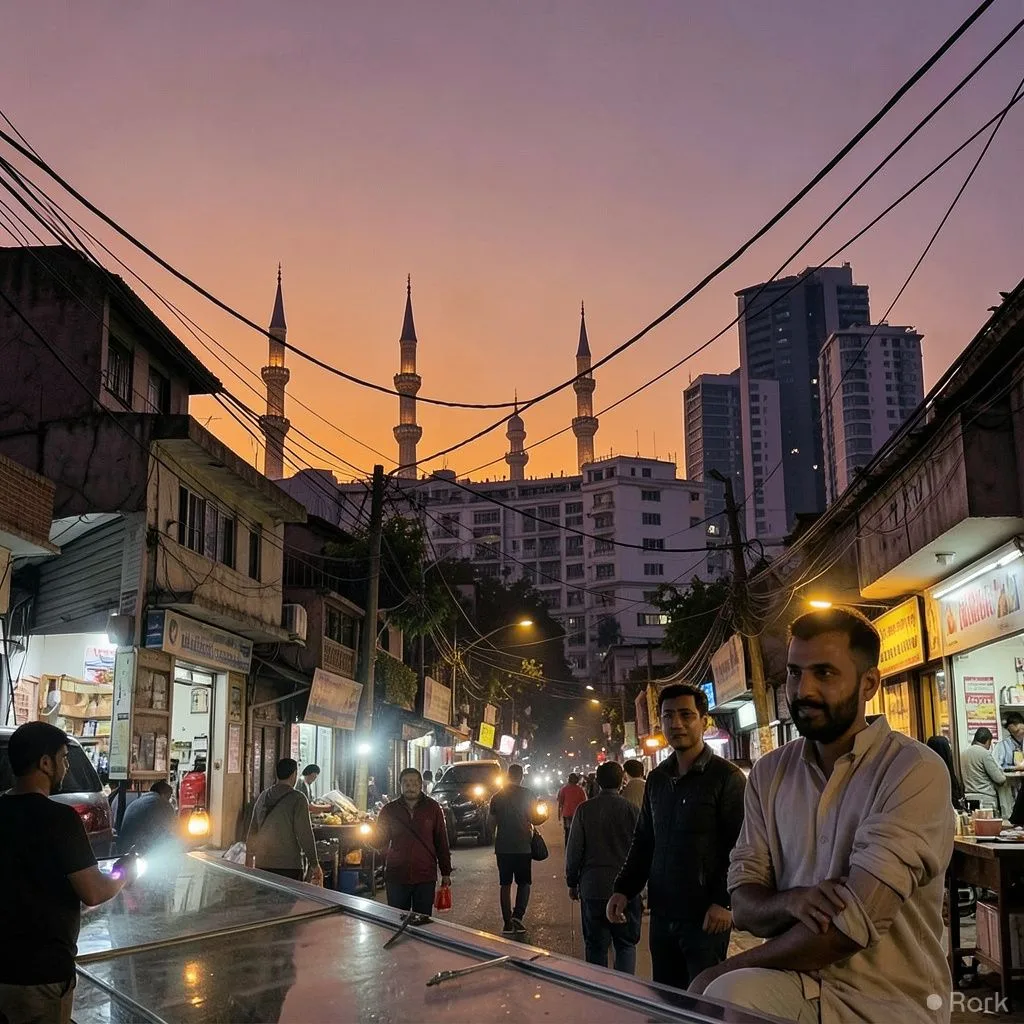
The city’s streets hum with the usual bustle, but the flickering glow of streetlights and the low hum of household appliances have become intermittent reminders of an unseen strain on the power grid. As dawn turns to dusk, many neighborhoods in Lahore and the surrounding Punjab districts are learning to plan their day around the certainty of darkness.
Utility officials confirmed that load‑shedding schedules have been extended, forcing some areas to endure as many as 16 hours of electricity cuts in a single day. In the urban core of Lahore, residents are facing blackouts that last six to eight hours, while more peripheral districts such as Sheikhupura, Kasur and Gujranwala report outages stretching eight hours or longer.
The shortage stems from a combination of insufficient generation capacity and bottlenecks in the transmission network. Recent maintenance shutdowns at key power plants, coupled with delayed commissioning of new capacity, have left the grid unable to meet peak demand, especially during the hot summer months when air‑conditioner use spikes. The Power Division’s latest bulletin cited a shortfall of roughly 1,200 megawatts across the region.
Households are turning to diesel generators, solar inverters and battery banks to bridge the gap, but the surge in private backup equipment has driven up fuel prices and strained already thin margins for small businesses. Vendors in Lahore’s bustling markets report reduced sales as refrigeration fails and shoppers stay home, while schools and clinics in the outlying districts struggle to maintain basic services without reliable electricity.
Authorities say the situation will likely persist until additional supply arrangements—such as emergency power purchases and the acceleration of ongoing hydro‑electric projects—are finalized. In the meantime, community networks are forming to share generator fuel and coordinate repair efforts, underscoring how the prolonged outages are reshaping daily life across Punjab’s most densely populated corridor.