
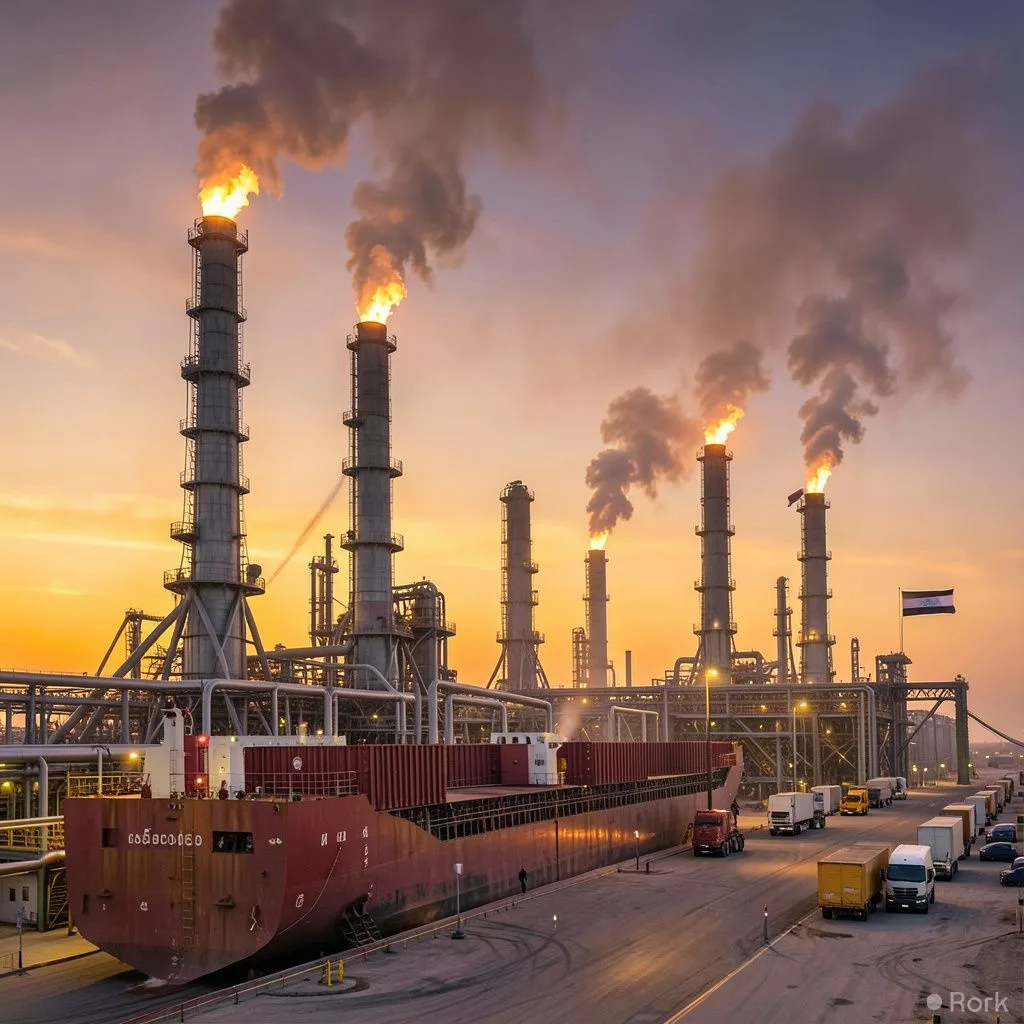
Crude oil prices jumped roughly 2 percent on Monday, touching their highest level in almost two weeks after fresh attacks in Saudi Arabia sparked fresh worries about how quickly Gulf output can rebound.
Background
The Gulf region has been on edge since the early‑summer drone and missile strikes that damaged key Saudi oil‑processing facilities. Those incidents halted a sizeable chunk of the kingdom’s refining capacity and temporarily throttled crude exports, prompting a scramble among producers to restore output. While shipments have gradually resumed, the recent wave of attacks has reignited fears that the supply‑recovery process could stall again, tightening global markets.
At the same time, the U.S. dollar has retained much of the strength it gained earlier in the year, buoyed by solid domestic growth and higher‑than‑expected interest‑rate expectations. A stronger greenback makes oil, which is priced in dollars, more expensive for holders of other currencies. The euro, meanwhile, has taken on a defensive stance, and broader foreign‑exchange markets have largely held onto the modest gains they secured in recent weeks.
Energy traders responded swiftly to the combined pressure of a potentially constrained Gulf supply and a still‑robust dollar. Forward‑curve prices—contracts for future delivery—have stayed elevated, reflecting the market’s caution about any further disruptions. The result is a near‑two‑week peak in spot crude prices, a level not seen since early October.
What it means for Pakistan
Pakistan is a net importer of oil, and any upward move in crude prices immediately ripples through the country’s fuel‑import bill. Higher barrel costs translate into steeper diesel and gasoline prices at the pump, which in turn lift transportation expenses for goods movers, public transport operators and logistics firms. For an economy already grappling with double‑digit inflation, these added pressures risk pushing consumer price indexes higher, especially for food and essential commodities that rely on diesel‑powered distribution.
The government’s fiscal balance also feels the impact. A larger spend on oil imports squeezes foreign‑exchange reserves, which are already under strain from a widening current‑account deficit. This could compel the State Bank of Pakistan to intervene more aggressively in the forex market or to adjust monetary‑policy levers, potentially affecting loan rates and credit availability for businesses and households.
Power generation is another vulnerable link. Although the national grid relies heavily on imported furnace oil and diesel for peak‑load plants, any rise in fuel costs may force the Ministry of Energy to reconsider subsidy levels or to accelerate the shift toward indigenous gas and renewable sources. In the short term, however, consumers may see modest hikes in electricity tariffs as utilities pass on higher fuel expenses.
What happens next
Analysts caution that the market will stay on high alert until a clear picture emerges of the damage in Saudi Arabia and the speed of repairs. If the attacks are isolated and production can be restored within weeks, the price rally may soften. Conversely, a series of follow‑up strikes could keep the market tight, sustaining elevated price levels for months.
For Pakistan, the immediate priority will be to manage the import bill while shielding the most vulnerable households from soaring fuel costs. Policymakers may look to strategic petroleum reserves, temporary tariff adjustments or targeted subsidies as short‑term tools. Meanwhile, the broader inflation outlook will remain tied to how long the Gulf supply constraints persist and whether the dollar retains its current vigor.