
Key points:
- Interior Minister Mohsin Naqvi warned that the Rs1,000‑per‑litre ceiling on petrol is financially untenable and may trigger nationwide shortages.
- He linked the risk to surging global crude prices and persistent domestic logistical bottlenecks.
- The minister called on citizens to curb unnecessary fuel use while urging relevant ministries to explore emergency supply options.
- Energy analysts say a prolonged price cap could disrupt transport, freight, and daily commuting across Pakistan’s provinces.
Federal Interior Minister Mohsin Naqvi told the media on Thursday that the current Rs1,000 per litre ceiling on petrol cannot be maintained for long without jeopardising the country’s fuel supply chain. He stressed that the artificial price ceiling, while politically popular, is out of step with the rising cost of imported crude and the mounting pressures on Pakistan’s refining and distribution network.
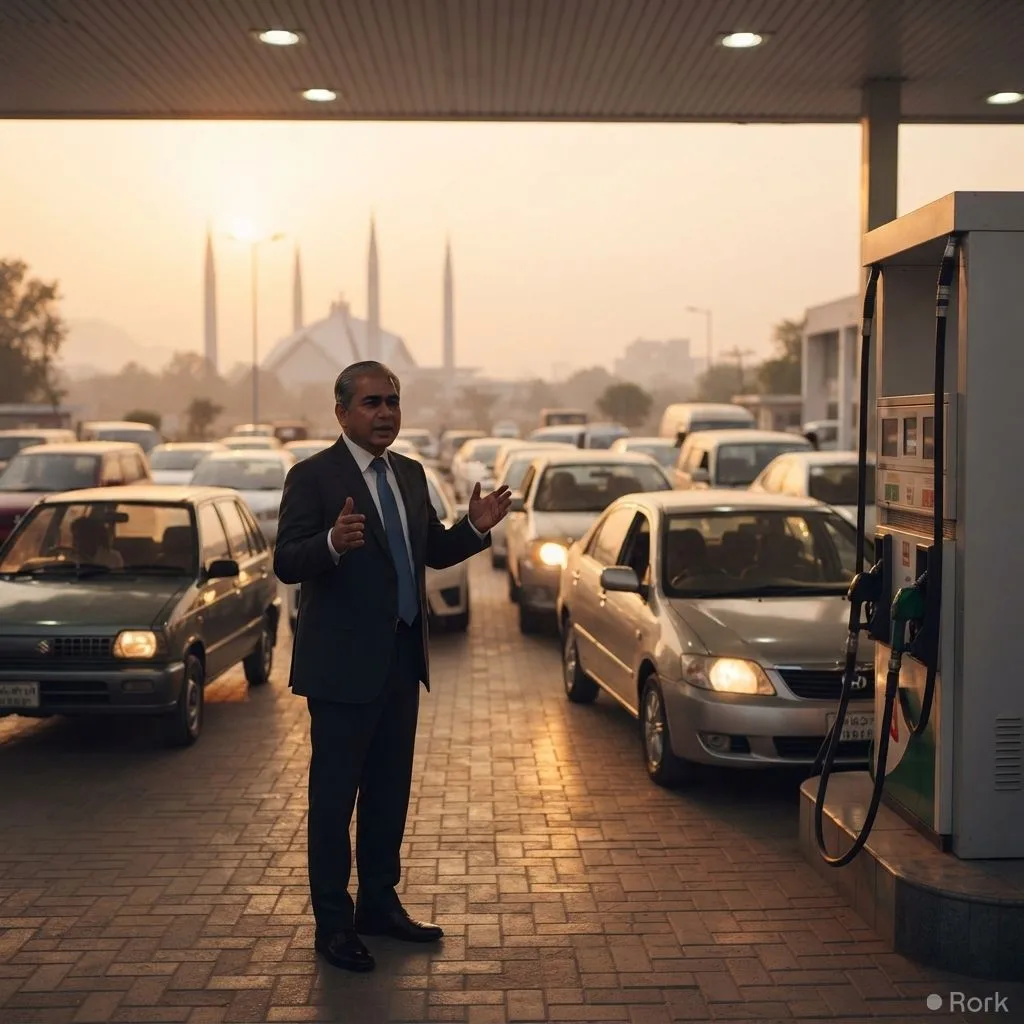
Naqvi highlighted that global oil markets have tightened over the past few months, pushing wholesale prices upward, while domestic constraints such as aging refineries, limited storage capacity and freight bottlenecks continue to hamper the flow of fuel from ports to inland stations. He warned that if the ceiling remains in place, the market could see “acute supply disruptions” that would manifest as long queues at petrol pumps, especially in major urban centres like Karachi, Lahore and Islamabad.
The minister appealed to the public to adopt fuel‑saving habits—such as limiting non‑essential trips and avoiding idling—to ease the strain on the system. Simultaneously, he urged the Ministry of Energy, the Oil & Gas Development Authority and private sector stakeholders to consider short‑term measures, including the release of strategic reserves, temporary import waivers and adjustments to excise duties, to keep stations stocked while a longer‑term pricing framework is negotiated.
Energy market analysts echo Naqvi’s concerns, noting that a sustained price cap could ripple through the economy, inflating transport costs for goods, raising the price of agricultural inputs and hampering daily commuters. They predict that within weeks, if supply gaps widen, the government may be compelled to revise the ceiling or introduce targeted subsidies to avert a broader economic slowdown.