
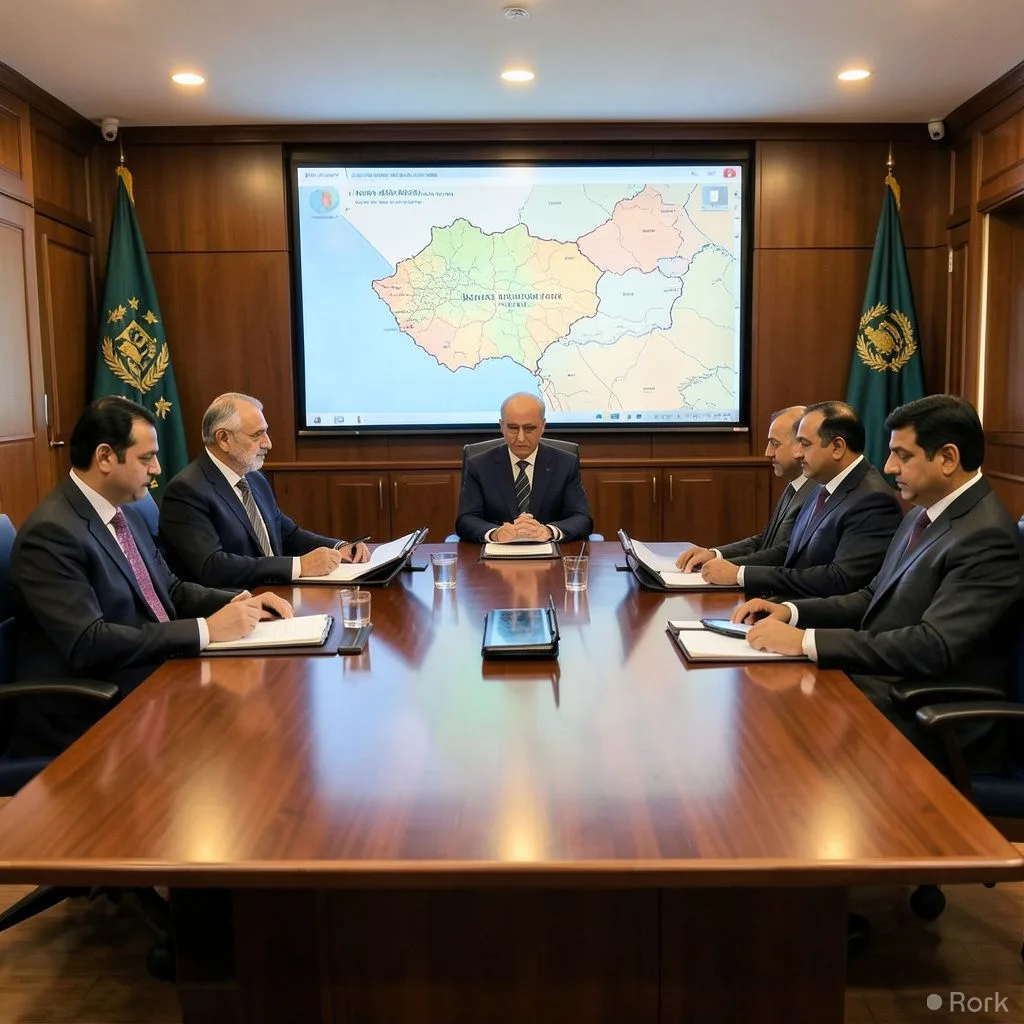
The federal cabinet has finished drafting contingency plans to impose governor’s rule in Khyber Pakhtunkhwa if the province’s security and political situation worsens.
In the past week, senior officials from the ministries of interior, law, and defence were briefed on a “ready‑to‑activate” framework that covers logistical arrangements, communication channels, and the legal steps required to shift provincial governance to federal hands. The plan also outlines the deployment of additional police and paramilitary units, the establishment of a temporary administrative hub in Peshawar, and the issuance of emergency ordinances that would bypass the provincial assembly.
The move comes amid escalating friction between the provincial government and opposition parties, compounded by a spate of violent incidents along the tribal belt and growing concerns over law‑and‑order breakdowns. Historically, governor’s rule has been invoked in KP during periods of acute crisis, most recently after the 2023 flood emergency, when the federal government temporarily assumed direct control to coordinate relief efforts. Under Article 112 of the Constitution, such a measure requires the president’s approval on the advice of the prime minister and is intended as a short‑term solution.
For residents of Khyber Pakhtunkhwa, the preparation signals a heightened risk of federal intervention that could disrupt local political dynamics. Provincial officials warn that an imposed governor could sideline elected representatives, affect budget allocations, and alter the trajectory of ongoing development projects. Conversely, proponents argue that a swift federal response might stabilize volatile districts, curb insurgent activity, and restore confidence among investors and aid agencies.
While no formal declaration has been made, the federal government is monitoring the situation closely, emphasizing that the preparations are precautionary. Analysts suggest that the readiness of the central authorities will give them leverage in negotiations with provincial leaders, and any eventual decision will be weighed against constitutional safeguards and the potential backlash from both the public and political parties across the country.