
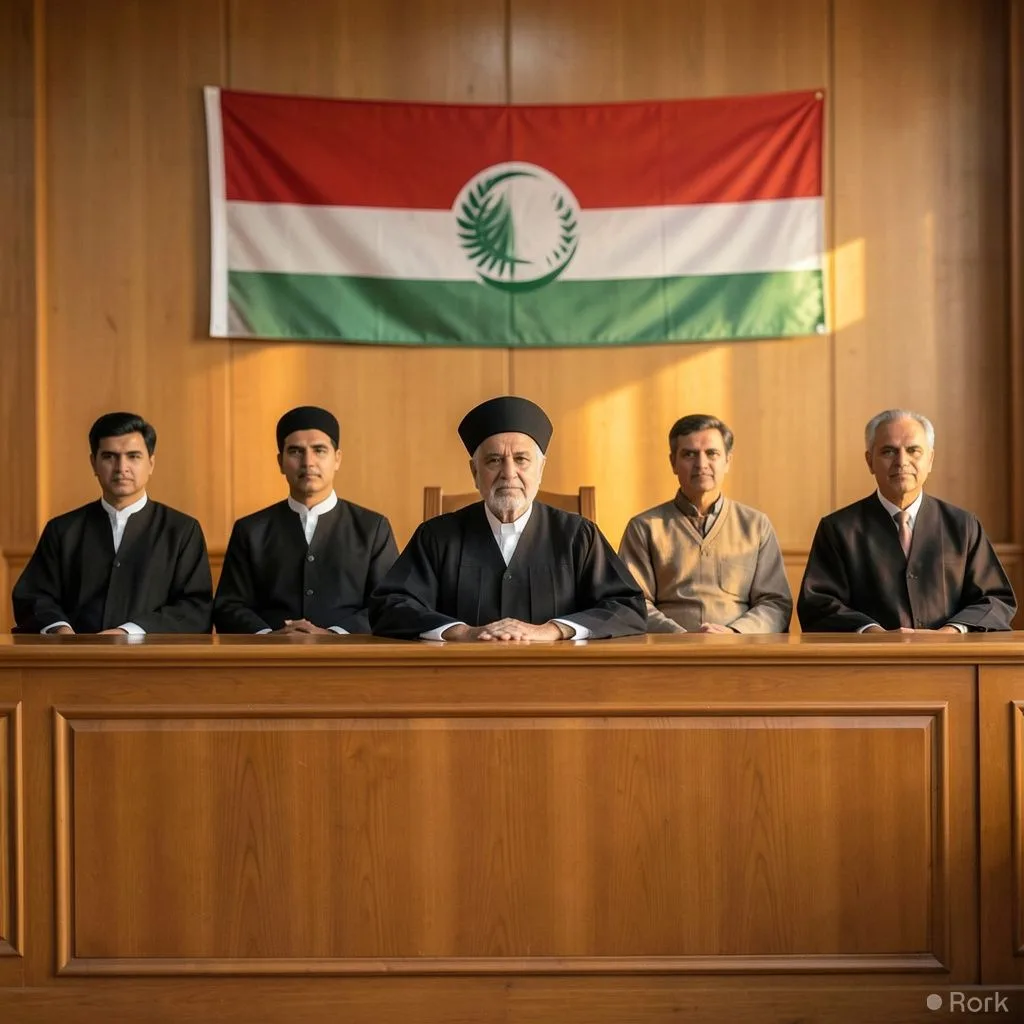
The Supreme Court ruled that proof of cruelty is no longer required to dissolve a marriage on shiqaq grounds.
A five‑member bench headed by Justice Shahid Waheed delivered a landmark judgment on October 8, 2026, clarifying that serious and ongoing marital discord—known in Islamic law as shiqaq—alone suffices for a divorce petition. The decision emerged from two separate cases: one filed by Zainab Bibi and the other by Iram Naz, both of whom sought relief from untenable marriages without being able to substantiate allegations of cruelty.
Under Pakistan’s Muslim Family Laws Ordinance of 1961, a spouse could traditionally invoke shiqaq only if she could also demonstrate cruelty, a evidentiary burden that many women found difficult to meet. The Court’s interpretation now decouples the two criteria, allowing shiqaq to stand as an independent ground for dissolution. Legal scholars note that this aligns the statute more closely with the Quranic principle that a marriage should not become a source of persistent hardship.
In the Zainab Bibi case, the petitioner described prolonged emotional estrangement and constant conflict with her husband, while Iram Naz highlighted similar patterns of incompatibility and mutual resentment. Both petitions argued that the marital relationship had become “intolerable” despite the absence of physical or psychological abuse. The bench accepted these narratives, affirming that the essence of shiqaq is the sustained breakdown of conjugal harmony, not merely the presence of cruelty.
The ruling carries significant ramifications for families across Pakistan. Women who previously hesitated to approach the courts for fear of failing to prove cruelty now have a clearer, less onerous pathway to end a harmful marriage. Family law practitioners anticipate a rise in shiqaq petitions, prompting courts to develop more nuanced evidentiary standards for assessing marital discord. Moreover, the decision may spur legislative bodies to revisit the language of the 1961 ordinance to reflect this judicial clarification.
Legal analysts also caution that while the judgment expands protective measures for spouses trapped in discordant unions, it may also generate debates about the balance between preserving marital stability and safeguarding individual well‑being. As the judiciary continues to interpret family law in light of contemporary societal realities, this landmark verdict underscores a shift toward greater accessibility of divorce relief for Pakistan’s citizens.