
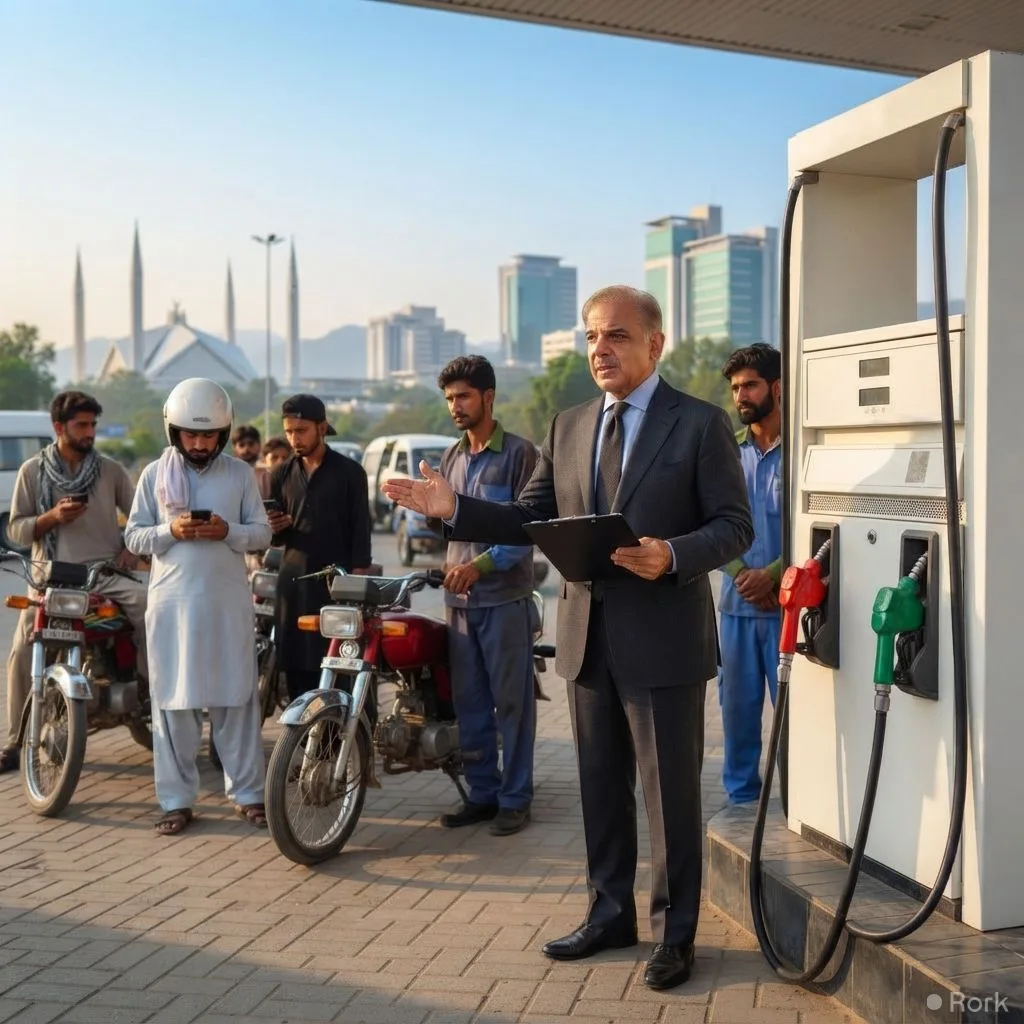
Pakistan’s federal cabinet has approved a timetable that aims to eliminate all government price controls on gasoline by June 2027. The decision follows a review by a high‑level committee of the existing petrol‑pricing formula and introduces new guidelines for diesel market interventions only in emergency situations.
The committee, chaired by the finance ministry, examined how the current formula – which links retail fuel prices to a basket of international crude, exchange rates and taxes – has performed amid volatile global oil markets. It concluded that the mechanism has become increasingly costly for the treasury and that a shift toward a market‑driven pricing model would better align supply and demand. At the same time, the cabinet approved a set of emergency‑only rules that would allow limited diesel subsidies if a severe shortage or a natural disaster threatens the country’s energy security.
Officials emphasized that the move is part of a broader strategy to build strategic fuel reserves rather than maintain a separate stabilisation fund. By directing resources into storage facilities, the government hopes to cushion short‑term shocks while letting the market set prices over the long run. The policy is also intended to ease fiscal pressure, as subsidies on fuel have been a major drain on the federal budget for years.
If the deregulation timeline is met, consumers are likely to see retail pump prices fluctuate more closely with global crude trends and the rupee’s exchange rate. Transport operators, particularly those in the trucking and public‑transport sectors, will face greater price volatility, which could translate into higher operating costs and potentially affect freight rates and commuter fares. Economists warn that a sudden removal of price caps could feed into inflation, but the government argues that a transparent, market‑based system will ultimately stabilize the economy by removing ad‑hoc subsidy adjustments.
The decision arrives against a backdrop of persistent balance‑of‑payments challenges and ongoing negotiations with international lenders, which have repeatedly urged Pakistan to curb subsidy spending. Over the past decade, successive governments have relied on periodic fuel price freezes to quell public discontent, a practice that has strained state finances and contributed to recurring deficits. By pivoting to strategic reserves and market pricing, the current administration seeks to reconcile fiscal prudence with the need for energy security.
While the cabinet has not disclosed detailed implementation steps, it indicated that the petroleum regulatory authority will draft the necessary rules and that periodic reviews will monitor the impact on both the economy and vulnerable consumer groups. Industry representatives have welcomed the clarity of a long‑term target, whereas consumer‑rights groups have called for safeguards to protect low‑income households from abrupt price spikes. The next few years will determine how smoothly Pakistan transitions to a fully liberalised fuel market.