
Key points
- The federal government has rejected media reports that the power generation component of the Diamer‑Bhasha Dam has been cancelled, labeling the stories as fabricated.
- The Power Division confirmed that the dam’s hydro‑electric capacity is still embedded in Pakistan’s long‑term electricity‑generation roadmap.
- The recent overhaul of the free‑electricity market, which introduced new independent power producers (IPPs), does not impact the dam’s scheduled power output.
- Officials dismissed attempts to conflate the IPP programme with the Diamer‑Bhasha project, emphasizing the dam’s separate status in national energy planning.
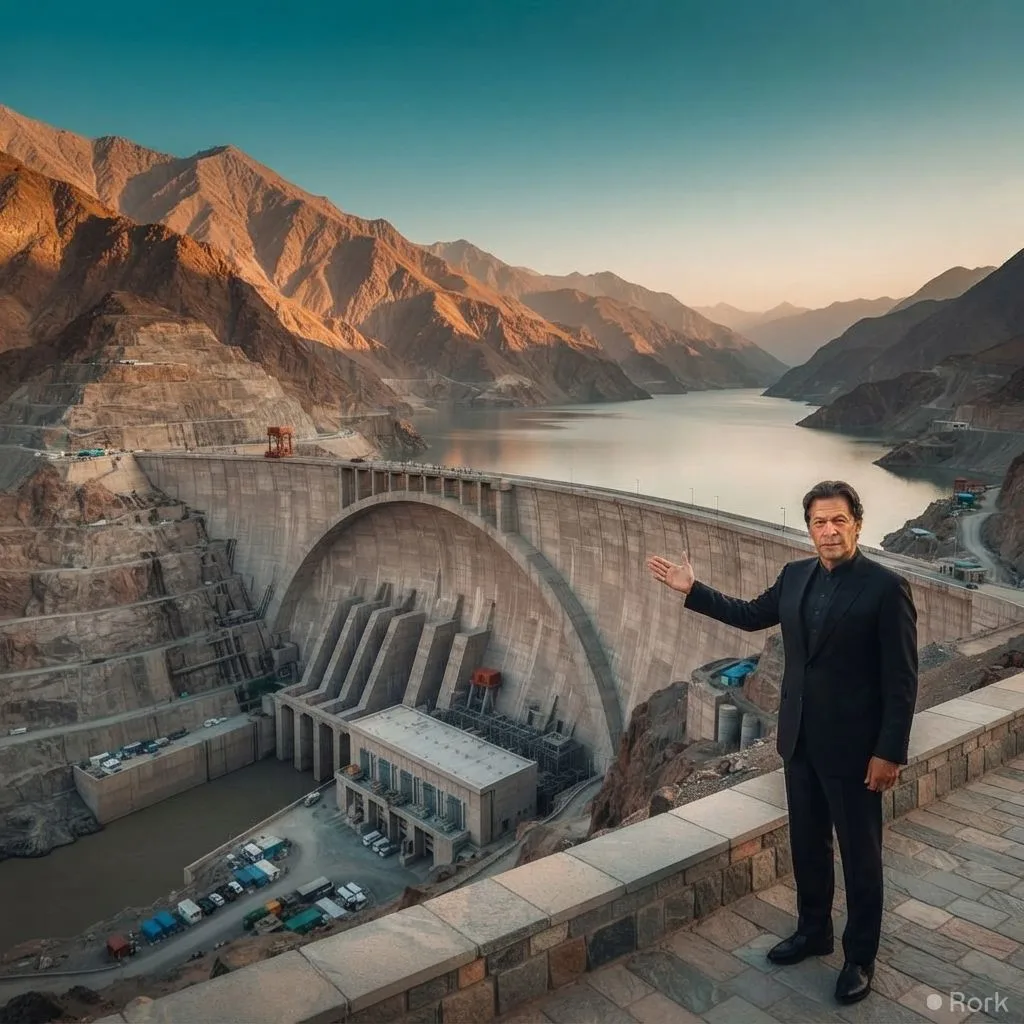
The Ministry of Energy’s Power Division issued a statement on Monday refuting circulating rumors that the 4,500‑MW power component of the Diamer‑Bhasha Dam had been abandoned. According to the division, the dam’s electricity‑generation element remains a cornerstone of the country’s projected capacity additions through 2035, as outlined in the official long‑term power plan. The clarification comes after several news outlets quoted unnamed sources suggesting the government had decided to drop the hydro‑electric portion in favour of cheaper renewable imports.
The clarification also addressed recent reforms in the electricity market. In early 2026 the government replaced the previous “free electricity” scheme with a competitive framework that encourages fresh independent power producers to bid for supply contracts. While the shift has altered the procurement landscape for thermal and renewable projects, the Power Division stressed that it does not alter the schedule or financing of the Diamer‑Bhasha hydro‑electric plant, which is being pursued under separate, multi‑year development agreements.
Critics had attempted to link the emergence of new IPPs with a supposed cancellation of the dam’s power component, implying that the government might be redirecting funds toward private generation. Officials categorically denied any such linkage, noting that the dam’s construction and its associated power‑generation facilities are governed by distinct contracts and are financed through a mix of federal funding, international loans, and provincial contributions. The dam, once completed, is expected to supply electricity to both the federal and Gilgit‑Baltistan administrations, easing chronic load‑shedding in the northern belt and contributing to the national grid’s stability.
Stakeholders—including contractors, local communities in the Diamer and Bhasha valleys, and energy analysts—have welcomed the clarification. The project, already a focal point of water‑security and power‑generation strategies, is seen as vital for meeting Pakistan’s growing demand, which the International Energy Agency projects to rise by more than 30 % by 2030. By reaffirming the dam’s power component, the government aims to quell uncertainty and maintain investor confidence in the country’s long‑term infrastructure agenda.