
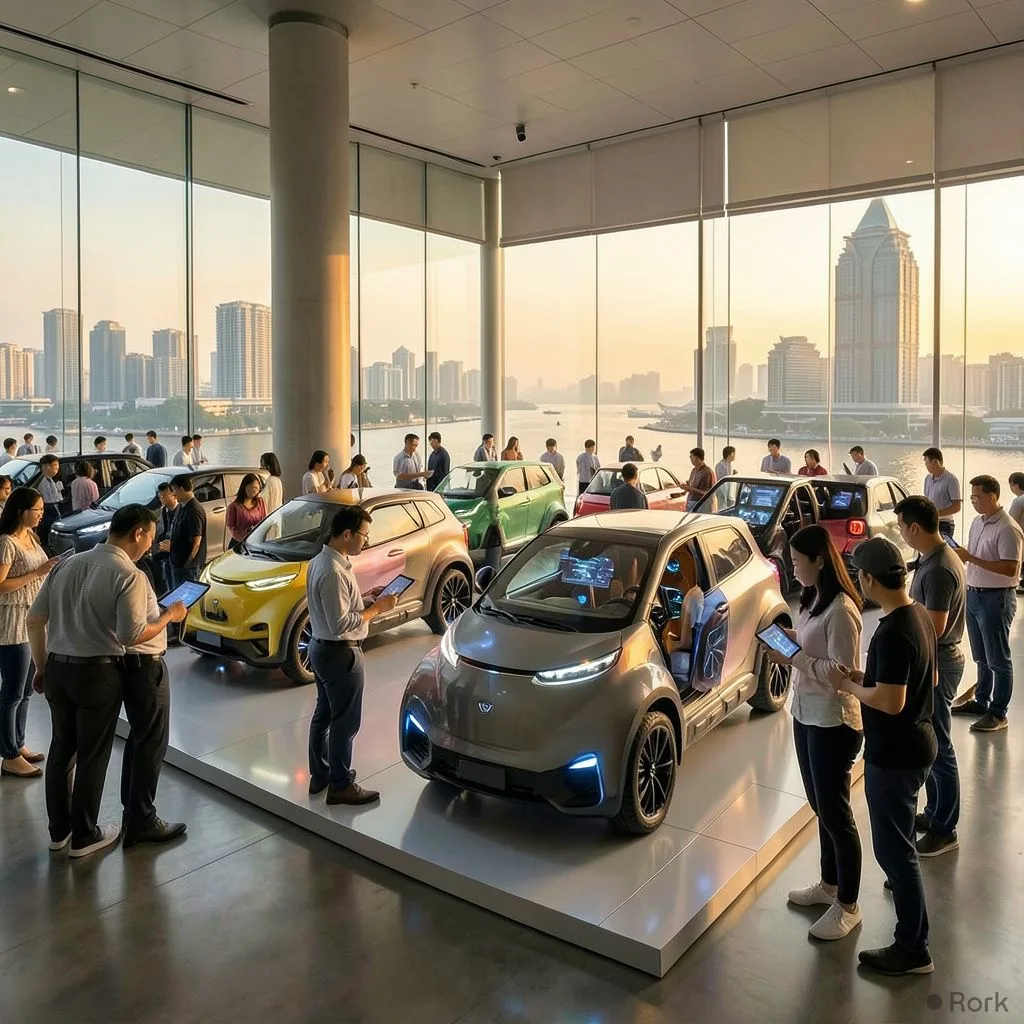
The 2026 iCAUR International User Summit is set to kick off in Wuhu, China, from 19 to 23 October, gathering owners, media, and partners to showcase how the brand’s electric vehicles can be moulded to suit a wide array of lifestyles.
Background
Since its launch, iCAUR has positioned itself as a pioneer in user‑centred mobility, offering a platform where drivers can tweak everything from cabin aesthetics to software‑driven performance traits. Over the past few years the company has rolled out a series of over‑the‑air updates and modular interior kits that allow owners to reconfigure seats, lighting, and infotainment layouts without visiting a dealership. This strategy has resonated in markets where personalization is prized, and the brand has built a loyal community of enthusiasts who actively contribute ideas through its online forums.
The Wuhu summit marks the first time iCAUR has dedicated an entire international event to co‑creation rather than product unveiling alone. According to the organizers, the agenda will feature interactive workshops, live design labs and AI‑powered configurators that let participants prototype future vehicle concepts on the spot. Media representatives from Asia, Europe and North America are expected to cover the proceedings, amplifying the message that iCAUR sees the driver—not the manufacturer—as the chief designer of the driving experience.
What it means for Pakistan
Pakistan’s automotive sector is at a crossroads, with the government pushing for greater adoption of electric vehicles (EVs) through tax incentives and the recent “National EV Policy” rollout. iCAUR’s emphasis on customization could appeal to Pakistani consumers who value both modern technology and the ability to reflect personal or cultural preferences in their cars—whether that means incorporating traditional motifs in interior trims or configuring range‑extending battery packs suited to the country’s varied terrain.
Local dealerships and importers stand to benefit from the summit’s outcomes. By participating in the co‑creation workshops, Pakistani partners can gain early access to new modules and software packages, allowing them to offer bespoke upgrades that differentiate their inventory from conventional EV imports. Moreover, the AI‑driven design tools showcased at the event could be adapted for the Pakistani market, enabling buyers to visualise and order personalised configurations online, thereby reducing the need for costly physical showrooms.
For the home‑grown tech ecosystem, the summit presents opportunities for collaboration. Pakistani start‑ups working on automotive AI, battery management or interior design could seek partnerships with iCAUR’s R&D teams, leveraging the brand’s global platform to accelerate product development and export potential. Such alliances would align with Pakistan’s broader goal of nurturing a domestic EV supply chain and reducing reliance on fully imported components.
What happens next
iCAUR has pledged to roll out the most popular user‑generated concepts from the Wuhu summit as official options later in 2026. Pakistani participants who contribute viable designs may see their ideas incorporated into the brand’s South Asian catalog, potentially influencing the next generation of iCAUR models sold in the country.
In the weeks following the summit, iCAUR’s regional office is expected to host a series of webinars and roadshows across major Pakistani cities—Karachi, Lahore and Islamabad—to translate the global insights into locally relevant offerings. Consumers who attend these sessions will be able to experiment with the new customization tools and place pre‑orders for personalised vehicles, positioning Pakistan as an early adopter of iCAUR’s user‑driven mobility vision.