
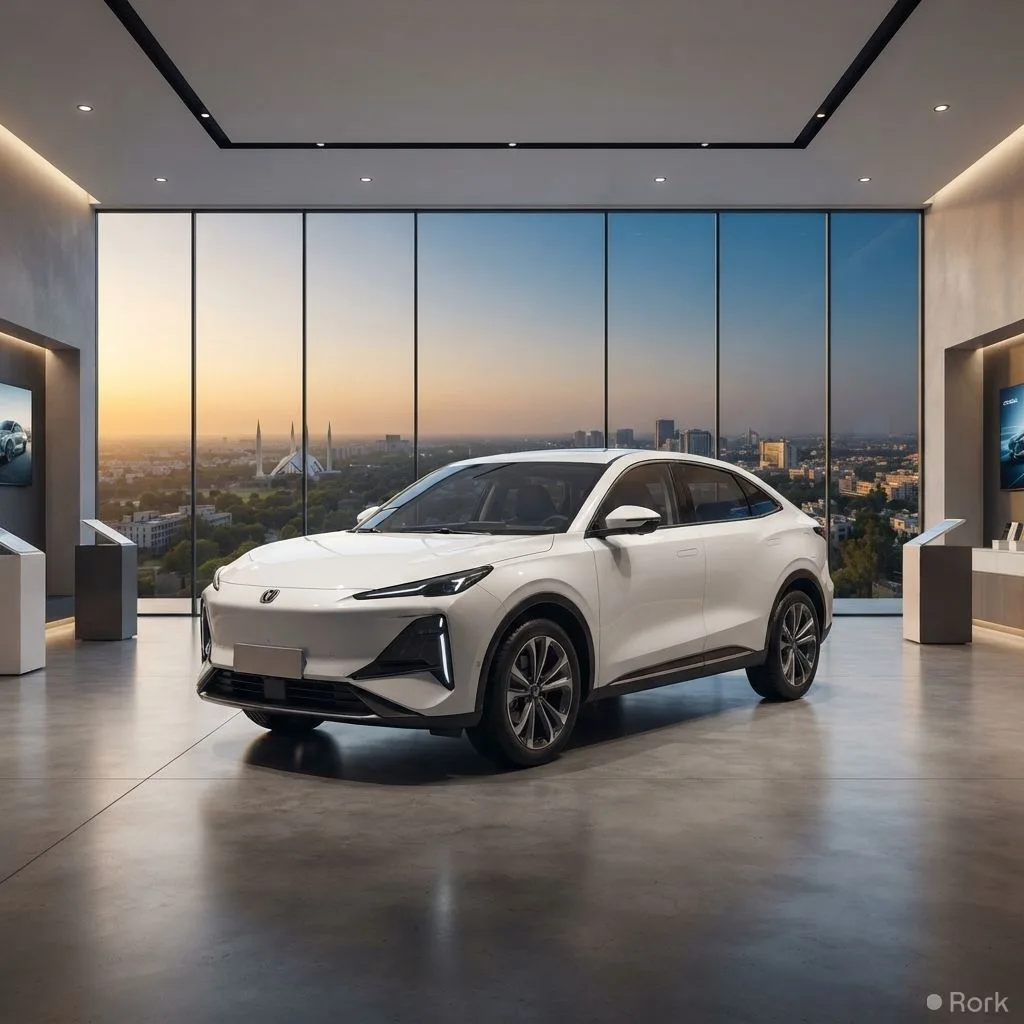
Pakistan’s roads have long echoed the roar of conventional engines, while electric cars remained a rarity confined to a niche of early adopters. As the nation pushes toward greener mobility and seeks to curb its reliance on imported fuel, the automotive landscape is finally poised for a decisive shift.
On 3 October, Master Changan Motors Limited—China’s Changan Automobile’s sole joint‑venture outside its home market—marked its ten‑year anniversary in Pakistan with the unveiling of a dedicated “House of Brands” platform. The initiative promises to place the company’s new‑energy vehicle (NEV) range within the purchasing power of a far wider segment of Pakistani consumers, representing what insiders describe as the most ambitious automotive launch the country has ever witnessed.
The House of Brands will operate as a one‑stop ecosystem that bundles localized branding, flexible financing schemes, and a network of service centres across the provinces. By consolidating these elements under a single umbrella, Master Changan aims to slash the cost of its flagship electric sedan and compact SUV to price points comparable with popular internal‑combustion models, while retaining the benefits of locally assembled components and after‑sales support.
Industry analysts note that the rollout includes three models slated for immediate production at the company’s Karachi assembly plant: a compact hatchback targeting first‑time car buyers, a midsize sedan aimed at families, and an urban‑friendly SUV for the growing middle class. All three are built on Changan’s modular EV platform, featuring battery packs sourced through regional partnerships that meet the Pakistan Standards and Quality Control Authority’s safety criteria. The company has pledged to keep the on‑road price of the entry‑level hatchback below PKR 2 million, a threshold that could make electric mobility attainable for many who previously considered it out of reach.
Government officials and trade bodies welcomed the move, highlighting its alignment with the Ministry of Climate Change’s target to have 30 percent of new vehicles on Pakistani roads be electric by 2035. “Affordability is the final piece of the puzzle,” said a senior official from the Ministry. “When manufacturers like Master Changan combine local production with consumer‑friendly pricing, we accelerate the transition to a low‑carbon transport sector and reduce our foreign exchange burden.” Dealer networks, too, are preparing for a surge in demand, with training programs already underway to equip technicians with the skills needed for EV maintenance.
If the House of Brands delivers on its promises, it could reshape the country’s automotive market, stimulate job creation in the nascent EV supply chain, and provide a tangible boost to Pakistan’s climate‑action agenda. For a generation that has watched electric cars roll out elsewhere, Master Changan’s ambitious launch may finally bring the future of mobility to the everyday Pakistani driver.