
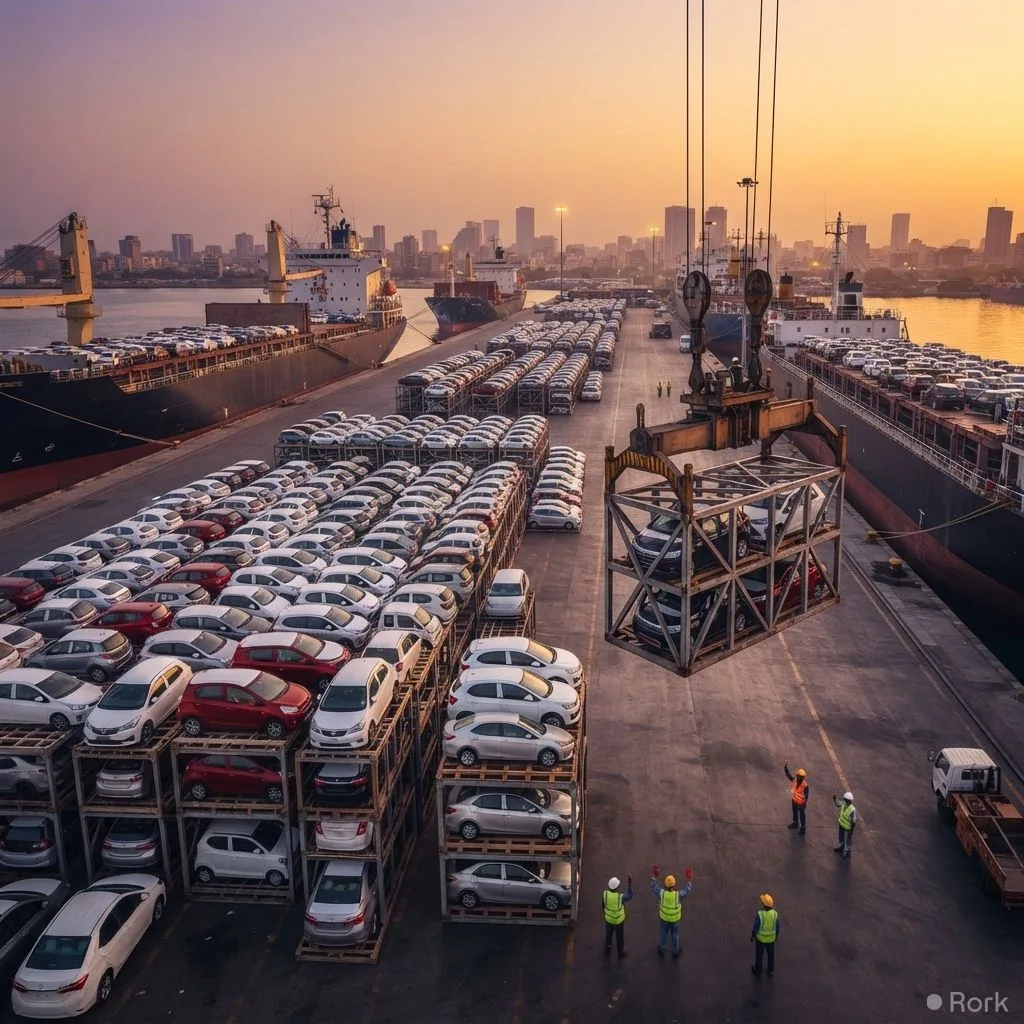
Pakistan imported 2,276 used cars in September 2026, with the vast majority arriving under the government‑run Gift Scheme, according to data released by the Commerce Ministry.
The surge represents a sharp turnaround from the sharp drop in used‑vehicle imports recorded earlier this year, signalling a renewed appetite for lower‑cost transport among Pakistani consumers. The Ministry’s figures show that the Gift Scheme— which allows foreign‑owned cars to be transferred to Pakistani beneficiaries at reduced customs duties—accounted for most of the arrivals, while the remaining units came through regular used‑car channels.
Port activity reflected the uptick, as Karachi’s container terminals handled a larger share of the shipments compared with the first half of 2026. Trade analysts note that the increase in used‑car inflows could alleviate some pressure on the domestic new‑car market, where prices have been climbing due to supply‑chain constraints and rising import levies. By expanding the supply of affordable vehicles, the Gift Scheme may help households in lower‑income brackets access personal mobility more easily.
However, the rapid rise also raises questions about sustainability. Environmental groups have warned that a flood of older, less‑efficient cars could undermine the government’s climate‑reduction targets, while the long‑term viability of the Gift Scheme depends on continued fiscal support and clear eligibility criteria. Critics argue that without parallel measures to promote cleaner technologies, the policy could merely shift demand without addressing broader emissions goals.
The Commerce Ministry’s data also highlights the importance of policy levers in shaping import patterns. After the abrupt decline earlier in the year—attributed to tighter customs regulations and a temporary suspension of the Gift Scheme—its reinstatement appears to have reignited demand. Observers suggest that further refinements, such as stricter age limits on eligible vehicles or incentives for electric‑vehicle imports, could balance the need for affordable transport with environmental considerations.
Overall, the September figures point to a modest but significant recovery in Pakistan’s used‑car market, driven largely by government incentives and the logistical capacity of major ports. The coming months will reveal whether this rebound can be sustained without compromising the country’s broader economic and environmental objectives.