
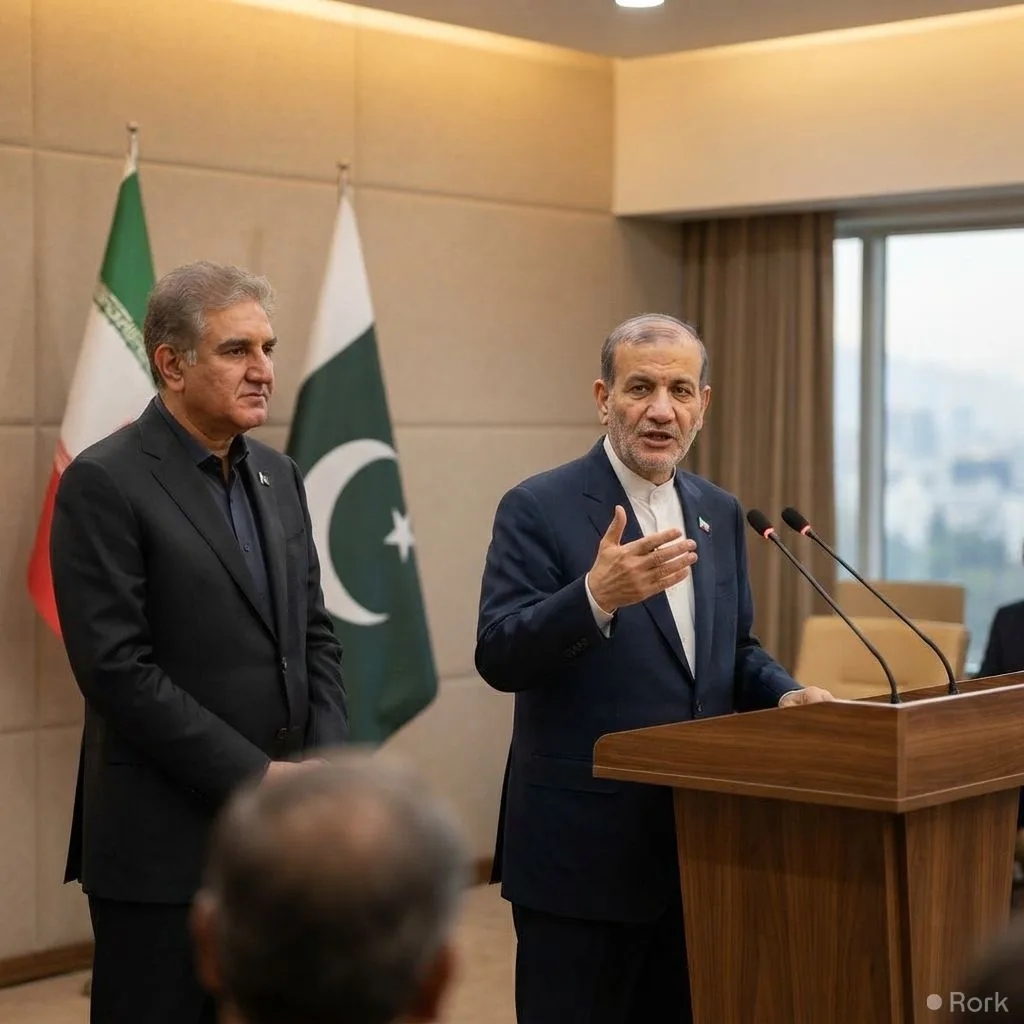
Tehran‑Islamabad talks on 21 September 2026 concluded with Iranian President Masoud Pezeshkian telling Pakistan’s foreign minister, Shah Mahmood Qureshi, that intensifying U.S. pressure on the Muslim world is pushing regional states closer together, and that the two countries have signed a comprehensive pact to broaden trade, energy and investment cooperation.
Both leaders used the meeting to thank Prime Minister Shehbaz Sharif and Chief of Defence Forces General Munir for their diplomatic outreach and security coordination, which they said have helped contain the fallout of the wider Middle‑East crisis and fostered a more stable neighbourhood for Pakistan and Iran alike.
The agreement sets out to widen existing commercial channels, with a view to raising bilateral trade volumes substantially over the next two years. It calls for the creation of a joint investment fund aimed at infrastructure projects, the development of new cross‑border energy linkages – including a possible pipeline for Iranian natural gas into Pakistan’s grid – and the removal of non‑tariff barriers that have hampered the flow of Pakistani textiles, agricultural produce and Iranian petro‑products.
Pezeshkian framed the deal as part of a broader realignment triggered by Washington’s heightened economic and diplomatic pressure on Muslim nations, ranging from sanctions on Iran’s financial sector to renewed scrutiny of regional allies. He argued that such pressure is encouraging countries with shared cultural and strategic interests to deepen cooperation as a counter‑balance.
For Pakistan, the pact could translate into more reliable and cheaper energy supplies, easing the country’s chronic balance‑of‑payments strain and reducing dependence on costly liquefied natural gas imports from the Gulf. Pakistani exporters stand to gain access to a market of over 80 million Iranians, while Iranian investors may find new opportunities in Pakistan’s growing renewable‑energy and infrastructure sectors.
In parallel, the two sides highlighted recent progress on border security, noting joint patrols and intelligence sharing that have curtailed smuggling and militant incursions along the rugged western frontier. They also pledged mutual backing in multilateral forums such as the Organisation of Islamic Cooperation and the United Nations, where coordinated voting can amplify their collective voice on issues ranging from sanctions relief to regional reconstruction.
Both governments expressed confidence that the enhanced economic partnership, underpinned by shared security interests, will contribute to a more durable peace across the Middle East and South‑Asia, and that the growing solidarity among Muslim nations will help offset external pressures that have long complicated regional stability.