
Key points:
- Iran’s total trade volume has contracted by roughly 35 % since the Gulf conflict began six months ago.
- Supreme Leader Ayatollah Ali Khamenei has pressed the government to ease the mounting economic distress.
- The United States has tightened sanctions on an Egyptian bank alleged to channel Iranian transactions through a UAE subsidiary.
- Diplomatic talks on a cease‑fire remain deadlocked, leaving the future of regional commerce uncertain.
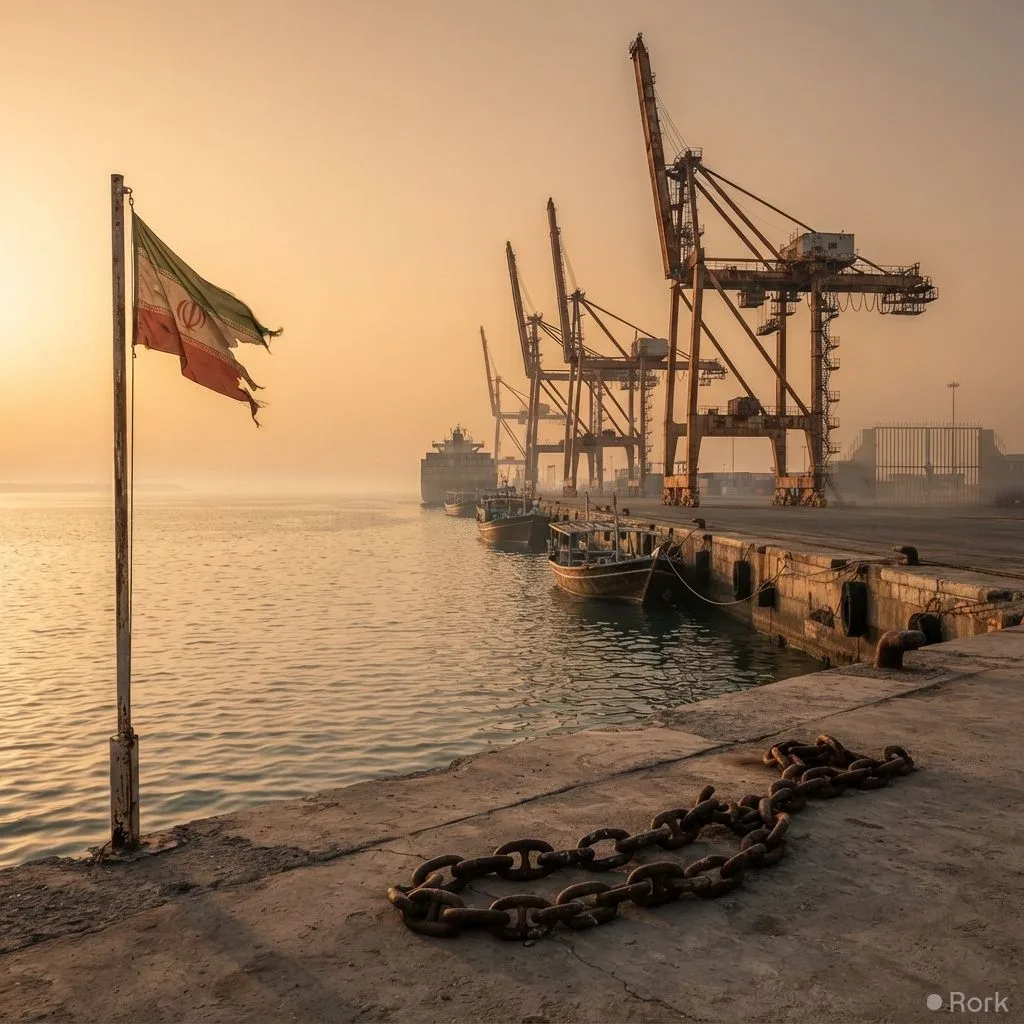
The war that erupted in the Persian Gulf in early March has severely disrupted shipping lanes and overland routes that Iran relies on for both imports and exports. With the Red Sea corridor intermittently blocked by naval engagements and neighboring ports under heightened security, Tehran’s exporters have struggled to find alternative pathways, prompting a sharp decline in trade activity. The downturn is reflected in official figures that show a 35 % fall in the country’s overall trade turnover compared with the same period last year, a setback that compounds inflation and shortages already felt by ordinary Iranians.
In response, Ayatollah Khamenei addressed the nation, urging the administration to adopt swift measures to mitigate the hardship confronting households and businesses. His call underscores the political pressure on President Ebrahim Raisi’s cabinet to accelerate reforms, seek new trading partners, and potentially relax some of the stringent domestic price controls that have exacerbated public discontent. Analysts note that any policy shift could ripple across the region, affecting Pakistan’s own trade calculus, especially in sectors such as petroleum products and agricultural commodities that have traditionally moved through Iranian corridors.
The United States has added another layer of complexity by imposing fresh restrictions on the National Bank of Egypt (NBE). Washington alleges that NBE’s Emirati subsidiary has been used to bypass existing sanctions, facilitating the movement of Iranian funds and commodities. The sanctions target the bank’s ability to operate in the U.S. financial system and warn international partners against engaging with its Gulf-linked entities. For Pakistan, which maintains banking and trade links with both Egypt and the United Arab Emirates, the move raises compliance concerns and could force local firms to reassess correspondent banking relationships to avoid secondary sanctions.
Despite repeated diplomatic overtures by regional powers and the United Nations, negotiations aimed at halting hostilities have stalled, with no clear timeline for a cease‑fire. The impasse not only prolongs the humanitarian toll but also keeps the outlook for Iran’s trade bleak. Pakistani exporters and importers, many of whom depend on relatively stable Iranian supply chains for oil, gas condensate, and certain manufactured goods, are watching the situation closely. A prolonged conflict could drive up transportation costs and push Iranian prices higher, pressuring Pakistan’s balance of payments and potentially prompting Islamabad to seek alternative sources or negotiate new trade arrangements with other Middle Eastern economies.