
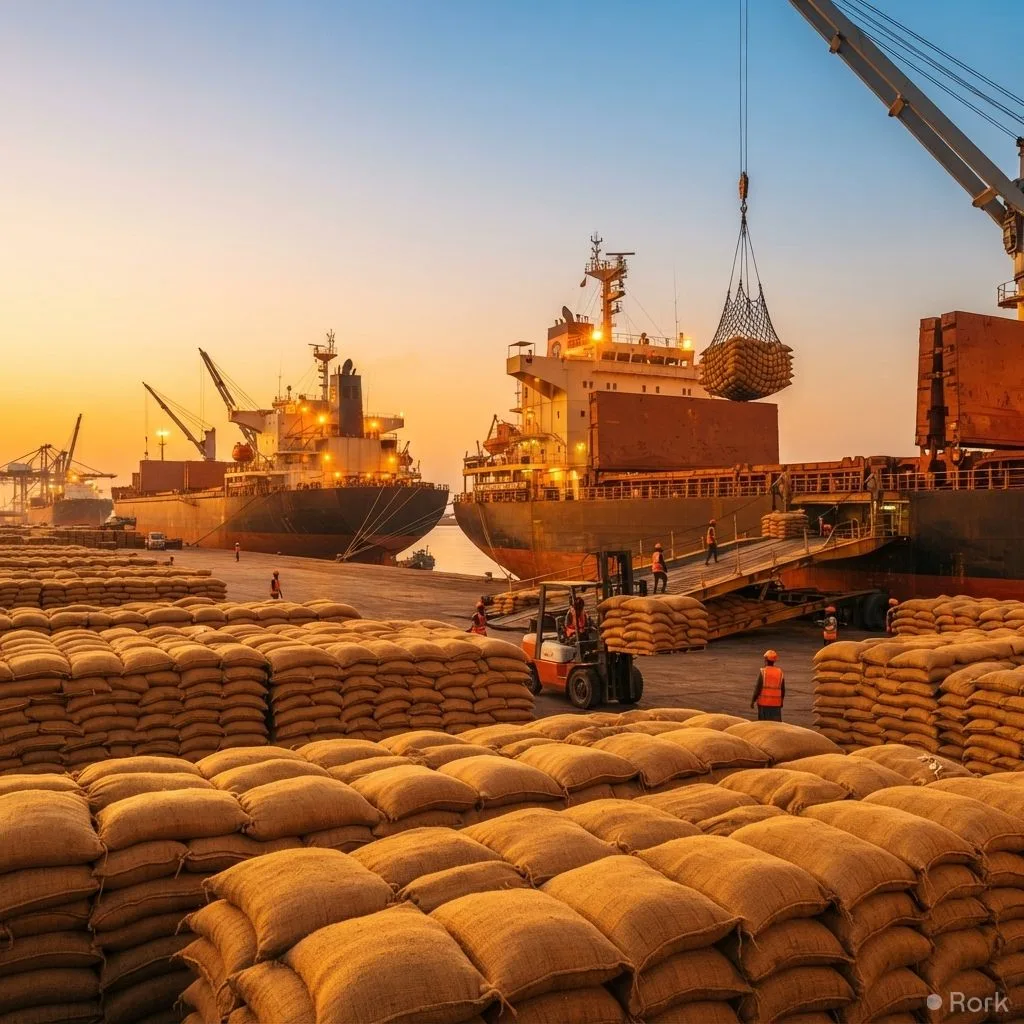
Pakistan’s rice sector recorded a historic export volume of 655,000 tonnes in the first two months of 2026, generating earnings of $392 million – a 25 percent increase over the same period a year earlier, according to the latest trade figures released by the Ministry of Commerce.
The surge pushed January‑February shipments well above the 524,000 tonnes exported during the comparable window in 2025, when export receipts stood at roughly $313 million. The growth marks the highest bi‑monthly total ever logged since Pakistan began publishing detailed rice‑trade data in the early 2000s.
Industry analysts point to a combination of factors behind the uptick. Streamlined logistics at major ports have reduced clearance times, while global rice prices have risen on tighter supplies in key importing regions. In addition, Pakistani exporters have intensified branding and market‑development campaigns, especially for premium Basmati varieties, expanding their foothold in the Middle East, Africa and Europe.
The record performance is expected to translate into higher farm‑gate returns for growers across Punjab and Sindh, where the bulk of the nation’s rice is cultivated. With better earnings, small‑holder farmers are likely to see an improvement in household income, which could bolster rural consumption and spur ancillary agro‑industry activity such as milling and packaging.
From a macro‑economic perspective, the $392 million in rice earnings narrows the country’s current‑account gap, providing a welcome buffer against the widening trade deficit that has plagued Pakistan in recent quarters. Rice remains the nation’s second‑largest agricultural export after textiles, underscoring its importance to foreign‑exchange inflows.
Speaking to the press, Commerce Minister Mohammad Ali Qureshi highlighted the government’s export‑promotion programme, noting recent incentives for freight subsidies and participation in international trade fairs. “Our farmers and exporters are reaping the benefits of coordinated policy support and improved market access,” he said, adding that the ministry aims to push total rice exports past the one‑million‑tonne mark by the end of the year.
Looking ahead, officials remain cautiously optimistic. While the current momentum is strong, they warn that adverse weather events in the upcoming rabi season or intensified competition from Indian rice producers could temper growth. Nevertheless, the sector’s robust performance in January‑February sets a solid foundation for achieving the year‑end target of 1.05 million tonnes, reinforcing Pakistan’s status as a leading global rice supplier.